Urban enviro waste management

Urban enviro waste management

Market capitalisation: ~168Cr
Pe ratio: 24
ROCE:38.5 %
ROE:126 %
Debt to equity: 1
CMP: 389
Promoter holding: 51.19%

Introduction:

company was originally incorporated as Nagpur Waste Handling Private Limited in the year 2011. Subsequently, name of the Company was changed from Nagpur Waste Handling Private Limited to Urban Enviro Waste Management Private Limited in the year 2022.
During the Financial year 2023-24, URBAN got listed on 22nd June,2023 on National Stock Exchange (SME platform). (IPO issue price was 100)

Urban enviro waste management Ltd is a municipal solid waste management company (MSW). It offers services like door to door collection, road sweeping/cleaning, segregation, transportation of waste, processing and bio mining Of legacy waste. It offers these services across Cities in Gujarat, Rajasthan, Madhya Pradesh, and Maharashtra, primarily catering to local municipalities. The company also carries on the activity of providing human resources like staff, workers, and skilled/semi-skilled laborers required by various industries and organizations.

Sector overview:

The waste management sector in India is critical due to the country’s rapid urbanization and population growth. Effective waste management is essential for environmental sustainability, public health, and resource conservation.

India generates approximately 65 million tonnes of municipal solid waste annually.
Per capita waste generation is around 0.5 kg per day in urban areas.

Government initiatives like The Swachh Bharat Mission (Clean India Mission) aims to improve waste management infrastructure and practices across the country.
Policies such as Extended Producer Responsibility (EPR) for e-waste and plastic waste management are driving change.

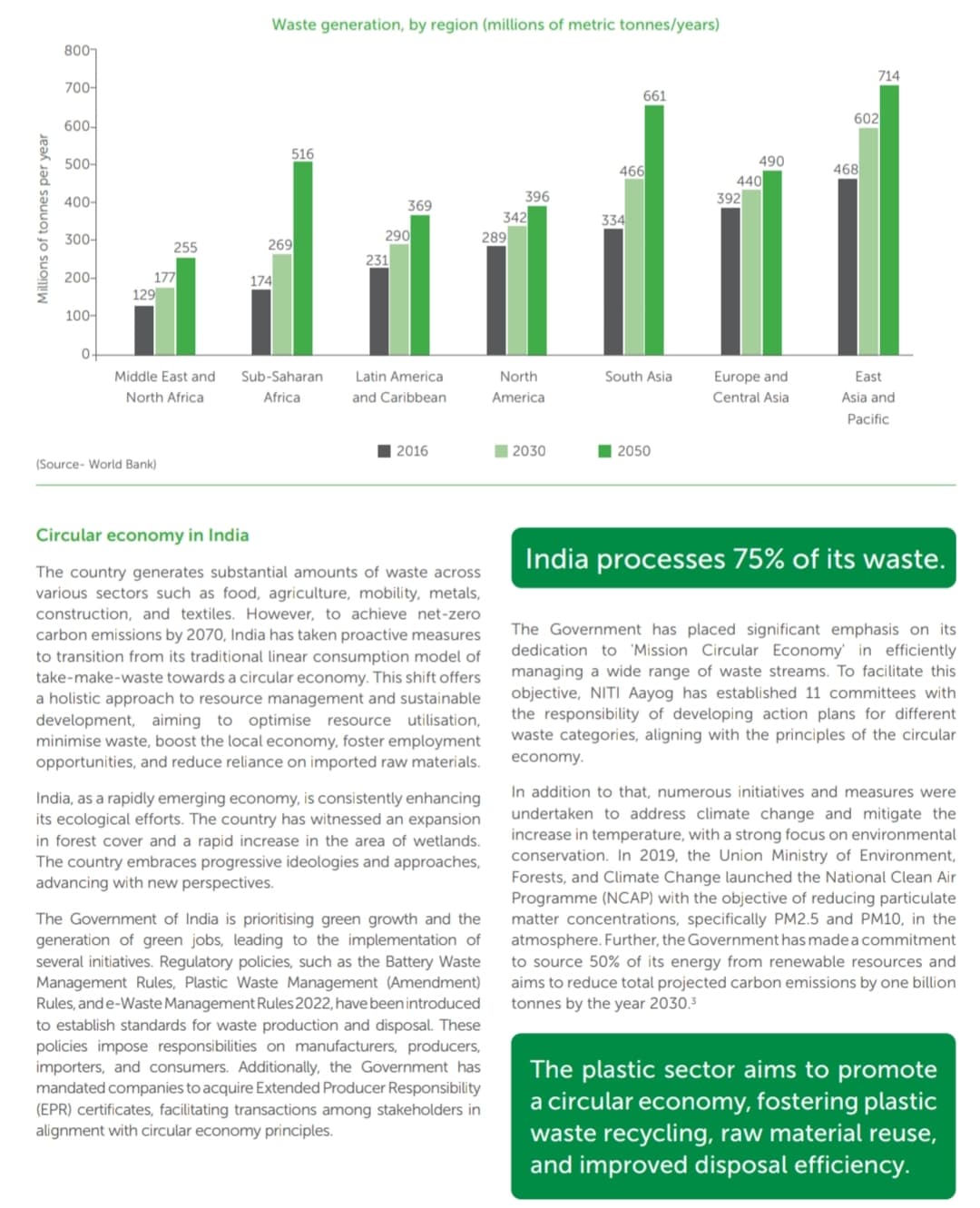
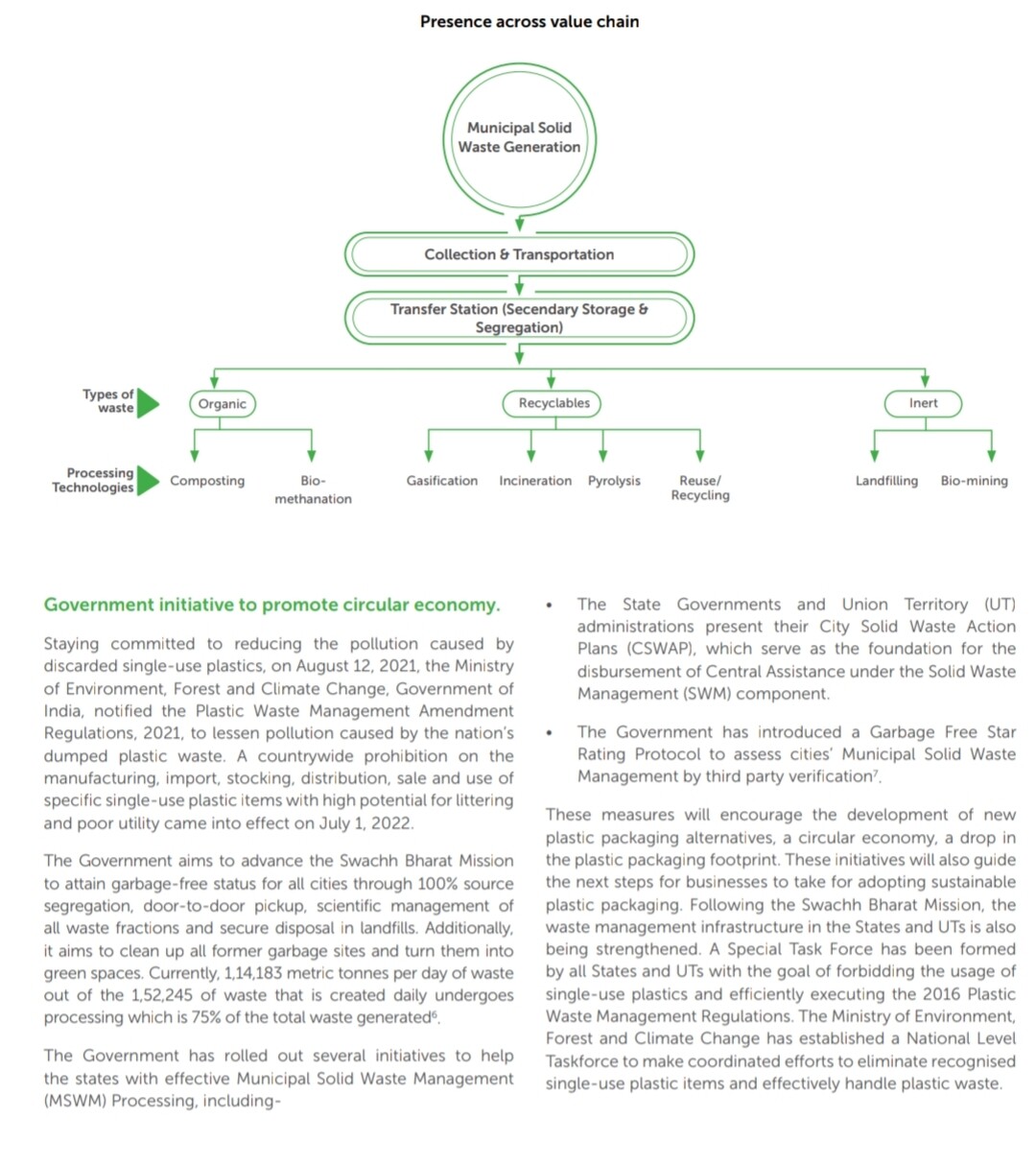
The world is shifting towards a circular economy
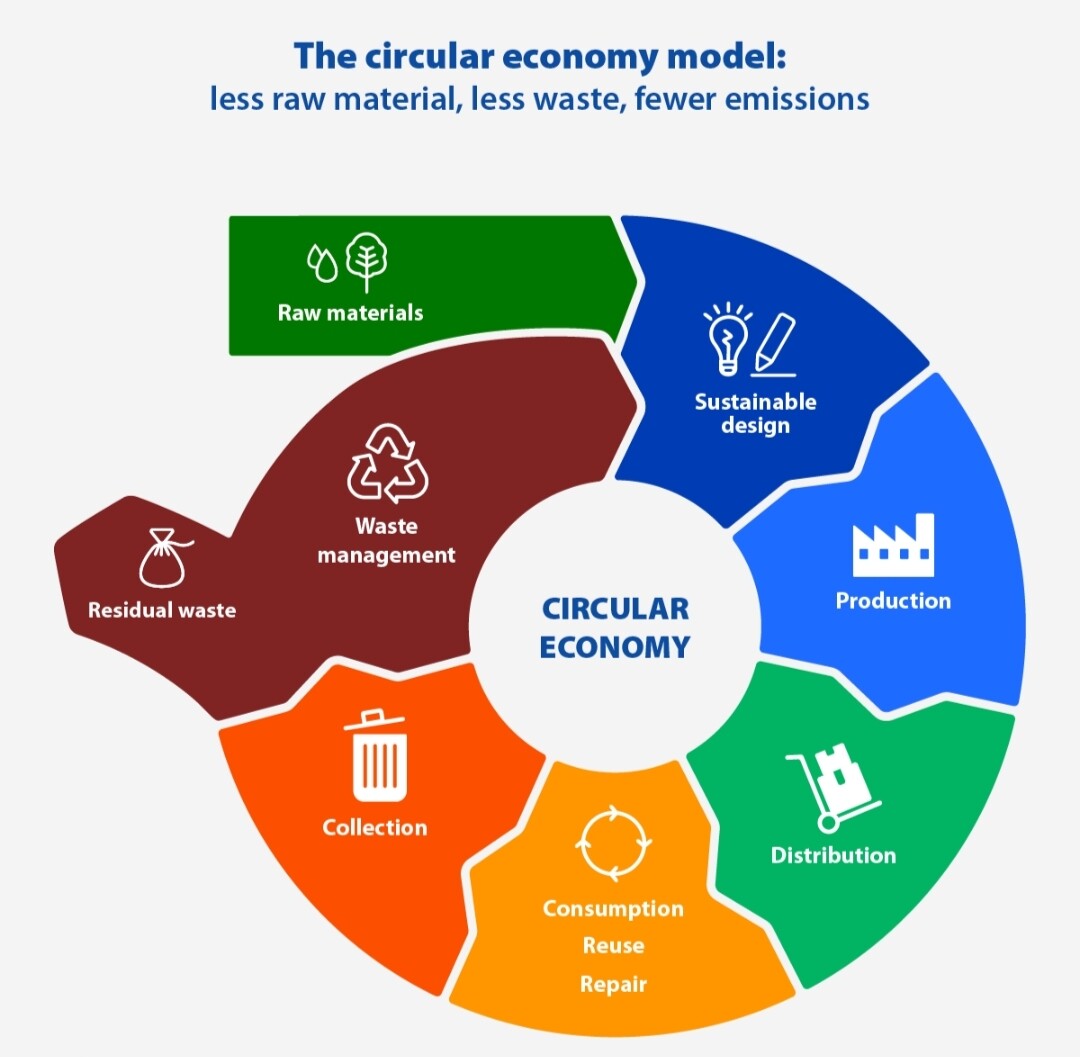
Taken from Antony waste (AWHCL) annual report 2022-23:
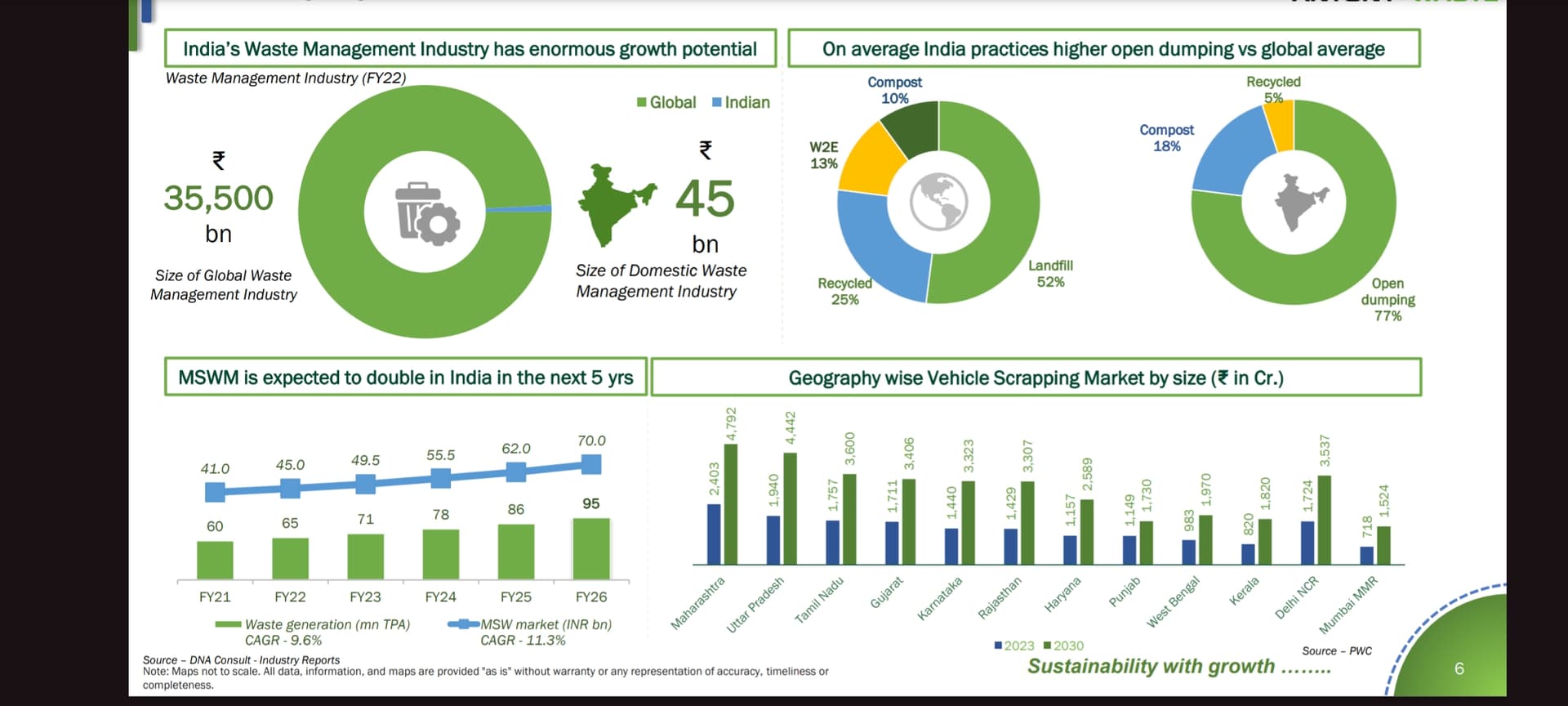
Taken from Antony waste investor presentation:
Financial performance:

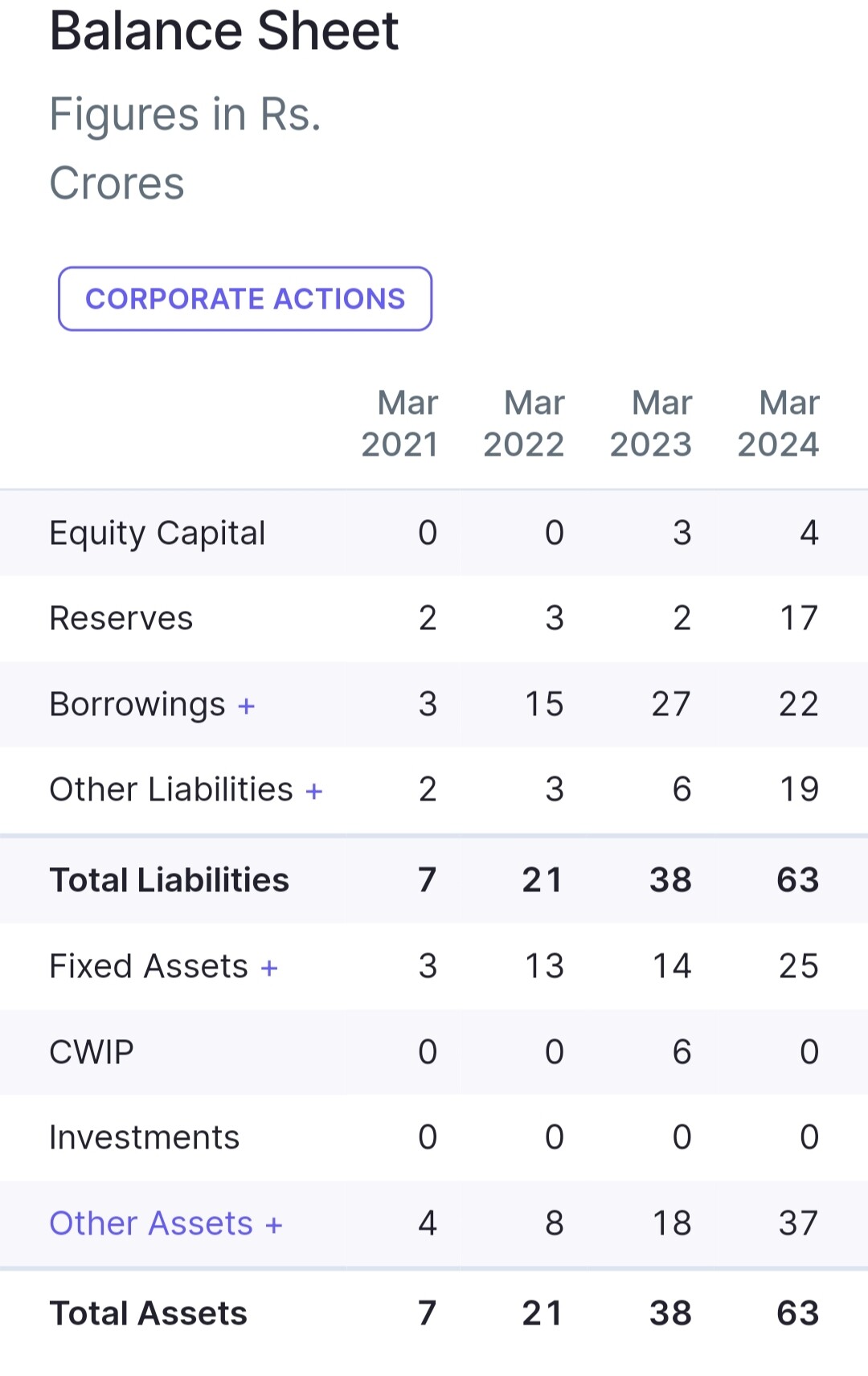
The company has been increasing its topline and bottom line at a rapid pace

The company also has positive cash flows
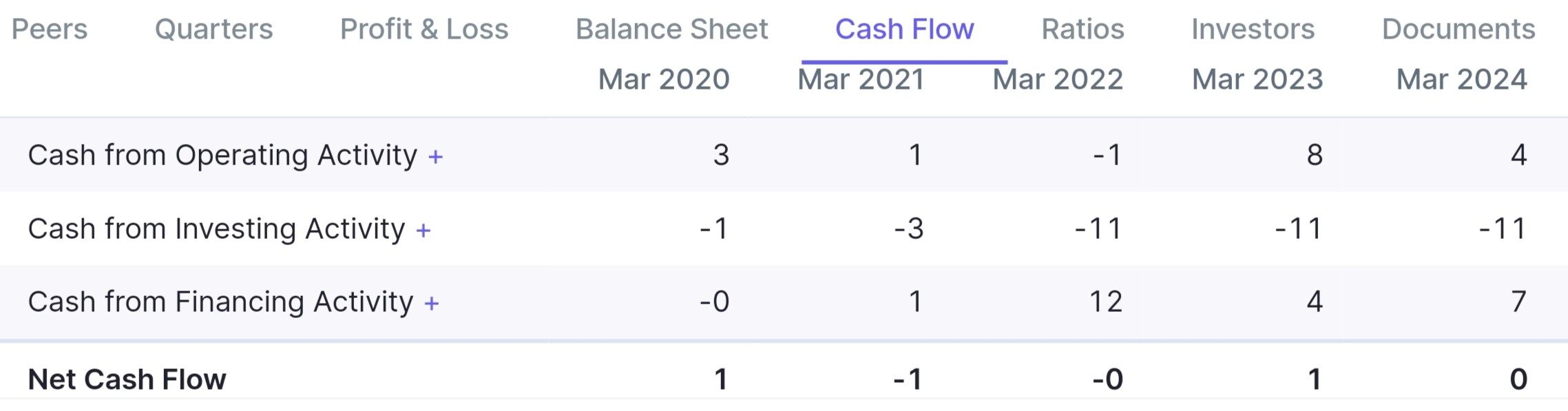
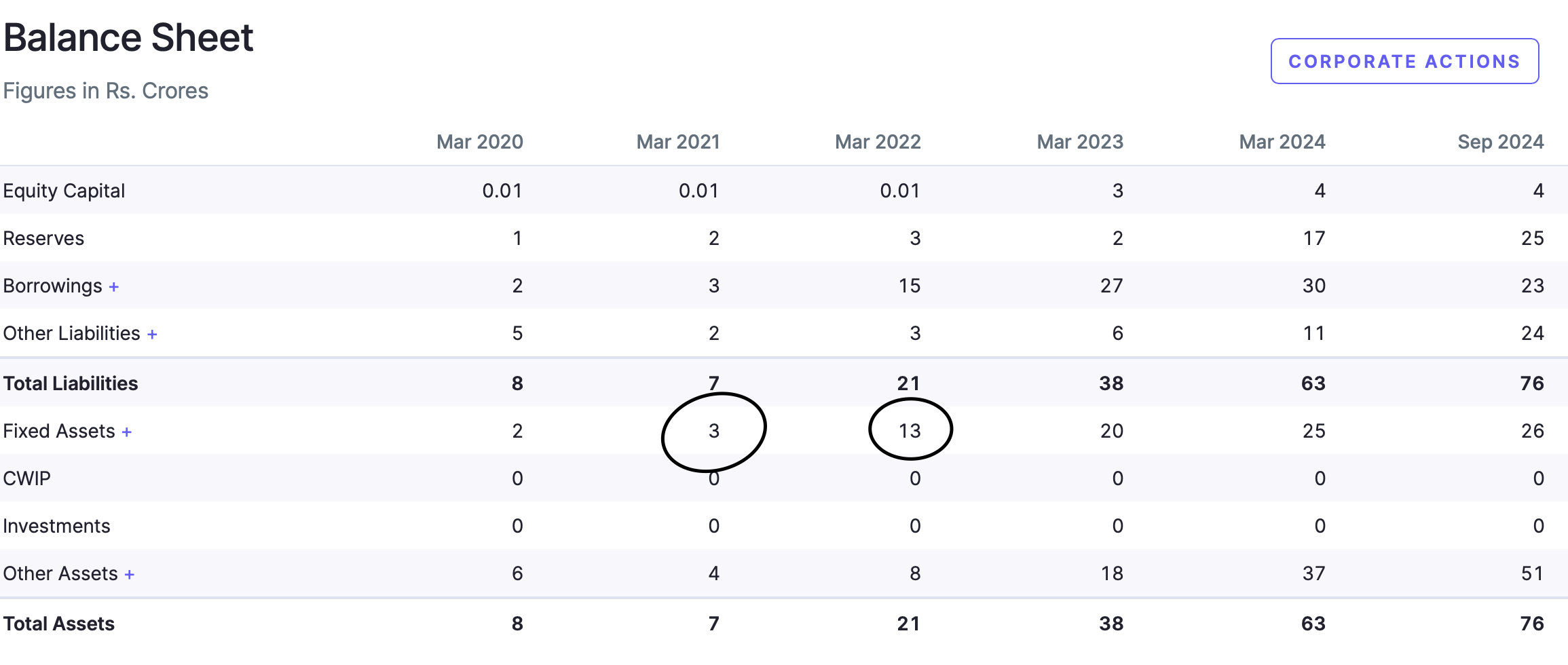
The company has a debt to equity ratio of 1 which some investors may find on the higher side but some beleive its manageable. The company has almost doubled its net block from 14cr in 2023 to 25cr in 2024.
Peers:
All of these companies may not be an apple to apple comparison

Antony waste management
Gem enviro management
Resgen
Organic Recycling Systems
Eco Recycling
Race Eco Chain

Valuation:

~1.65 times market capitalisation to sales ratio.
Company is trading at 24pe, which is not very expensive but doesn’t offer much margin of safety.

Investment thesis/key triggers /positives:

  1. High growth company
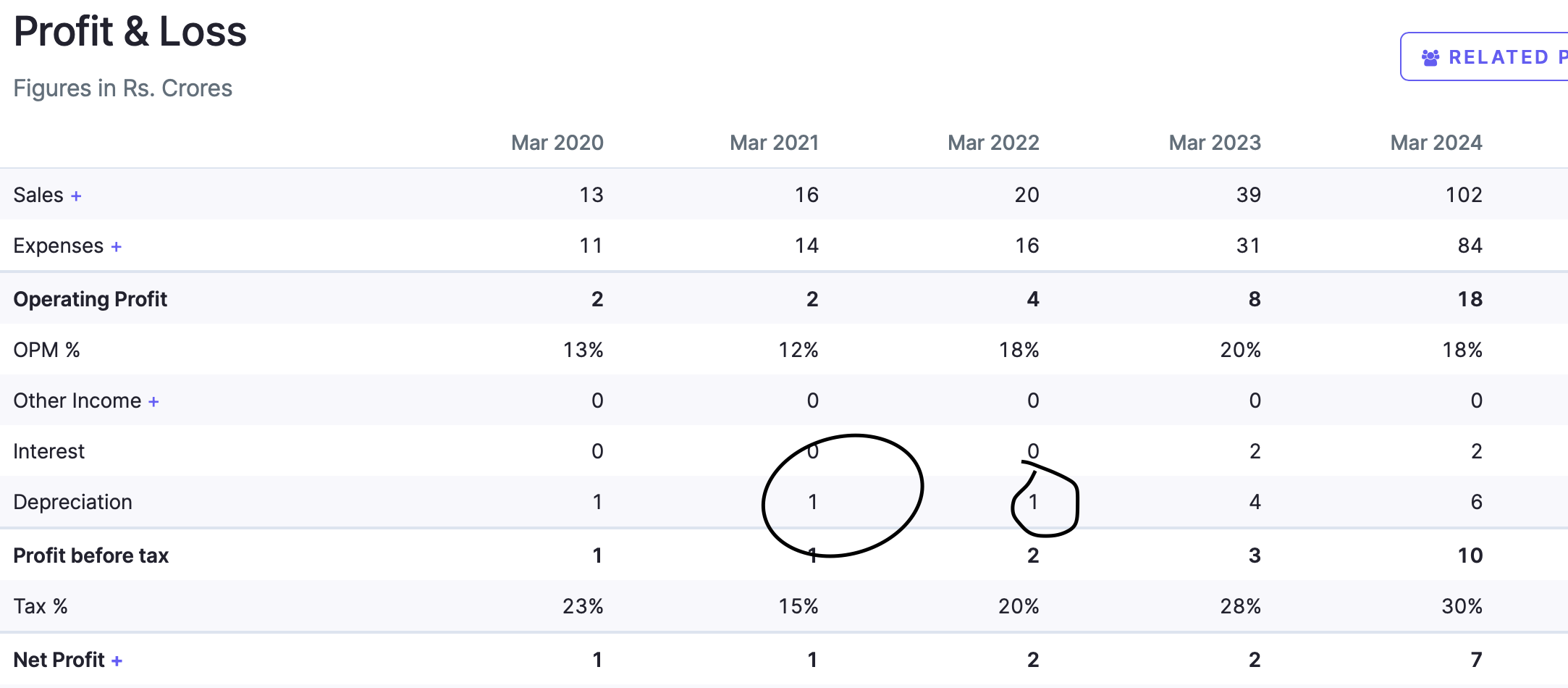
    From FY2020- FY2024:
    50+%CAGR growth in sales
    45+%CAGR growth in net profit

  2. Waste management sector has a lot of potential and tailwinds in the current socio-economic scenario.

  3. The company has increased its workforce in the last 1-2 years.

  4. Even after such high growth rates, being in a B2G business it has positive operating cash flows.

  5. It has received ~100cr+ worth of orders.

  6. Tough to find a company growing at such high growth rates at a pe ratio of 24.

  7. Government initiatives like The Swachh Bharat Mission (Clean India Mission)
    Policies such as Extended Producer Responsibility (EPR) may be a huge growth driver for the waste management industry as a whole.

Risks

  1. Information/data scarcity:
    There is very less information on the company and its management, there are no concalls, investor presentations.

  2. Investing in SME company is riskier and may lead to 100% loss of capital.

  3. One of the main reasons for its high growth rates are its small size, once the company matures, these growth rates won’t be sustainable in the long term.

  4. Read some articles on how some waste management companies are trying to
    mix soil with collected waste to get more billed amount from Govt.

  5. B2G risk and high receivables risk.

Disclosure: not registered, not a buy/sell recommendation,
Invested.
11 Likes

Great in-depth write-up.
The most significant risk is Regulatory. The government may cap the earnings per tonnage of waste.

Waste management is an essential commodity business, and the government may not allow companies to profit excessively from it.

A few past examples - IEX, Noida Toll bridge

I also love this waste management ( or even water management) space, but the regulatory risk is just TOO MUCH.

I am not invested. I’m just putting my thoughts.

dr.vikas

5 Likes

Yes. Even I agree with @vikasbargale ji. The Government risk is high. Further, no new exponential growth is expected form this Company since no innovation is expected in garbage collection. Hence, competition is very high for this Company to turnover around fast.
Further, from the fundamentals of this Company, PE and Price to book ratio seems is very high with no visibility about how they will expand business with a unique MOAT. Mere compositing on margin wont create wealth for any investor. Further, no investor presentation and relevant update on further growth by the Management with any unique MOAT.
If want to explore, then explore on environmental related stocks which deals with air pollution, rain crises, water waste management, ewaste recycling, etc. Recently, Maharashtra Gov allotted huge budge for this sector and eventually, all States and Center will have to focus on environmental changes.

4 Likes

look interesting .SME sector is the problem.some regulation is goin on in the SME level

2 Likes

URBAN_25072024152041_Letter_NSE_work_order_Muana_Mandi (1).pdf (231.6 KB)

1 Like

Investor presentation
URBAN_06092024131053_Letter_NSE_Investor_presenatation.pdf (6.3 MB)

1 Like

Full year profit in 6 months
BM_Outcome_25102024_25102024155022 (1).pdf (2.3 MB)

Disc invested

2 Likes

URBAN_14122024124506_nse_letter_saoner_work_order (1).pdf (342.4 KB)
Co getting constant new work orde r

2 Likes

I too am extremely positive on the waste management space, although because of regulatory risks one should maybe focus more on companies that have developed backward as well as forward integration.

Can look at the following companies

  1. Pondy Oxide
  2. Gravita (Stock has run up, but still contains upside)
  3. EPL (30% for PET Coke bottles recycling to kick in from April 2025)

URBAN_17122024121932_Letter_NSE_work_order_Dwarka.pdf (3.6 MB)

Other order as well as board meeting on 25 th Dec for bonus shares

3 Likes

New order
URBANENVIRO_23122024153639_Letter_NSE_work_order_Dhanduka.pdf (3.2 MB)

[URBANENVIRO_25122024123614_BM_Outcome_NSE_25122024.pdf|attachment](upload://97POHCRj88K2AMGT9c282
WJIq9v.pdf) (7.0 MB)

Bonus declared today 1:1 ratio
URBANENVIRO_01012025112622_Letter_NSE_work_order_Bhilai.pdf

50cr order received from bhilai munc corp

1 Like

They have won orders worth 80cr since Oct 2024 + most of their revenue is recurring with either longer term contracts or contracts renewed post expiry. Seems poised for decent growth growth - H1 Fy25 revenue was 72cr, annualised value ~150cr. More than 50% growth should ideally come in Fy26 even if we assume minimal new contracts are won from today and no major contracts get cancelled.

Disc: Invested and biased

4 Likes

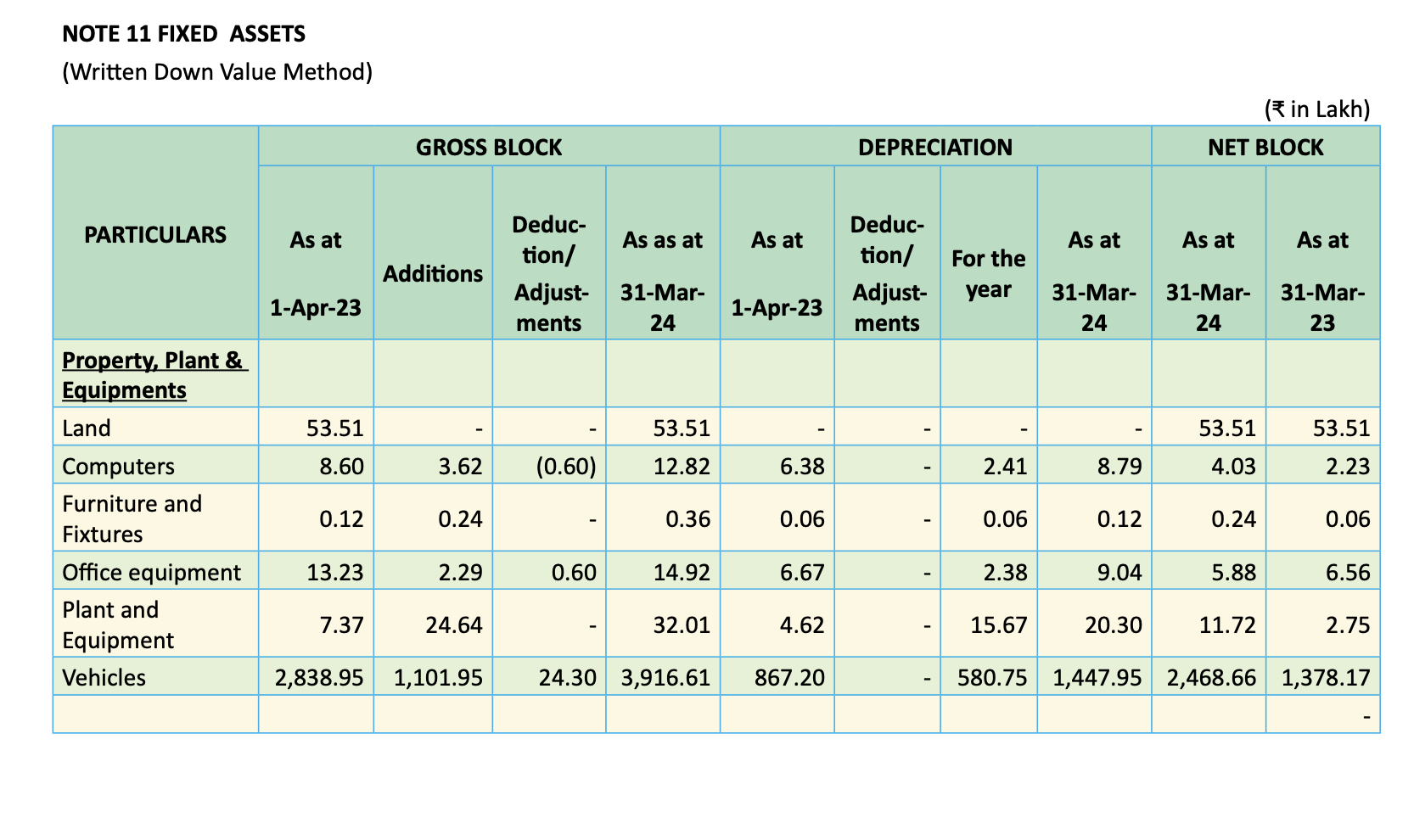
can anyone understand how they calculate depreciation , also they did not clarify how they calculate depreciation in drhp also fy 24 result like for Antony waste useful lives of vechiles is 8 years, here I can’t make any sense of their depreciation ?

if they under estimate the depreciation for boosting profit ,then it is a scam .

this pic is taken from fy 24 result.

1 Like

On a 40cr gross block they are depreciating 6cr annually which means useful life of ~6.66 years. They are depreciating more than antony waste (which means they are more conservative). Why do you think that they are underestimating the depreciation?

3 Likes

sorry my mistake , after knowing that In India, publicly listed companies have the flexibility to choose between the Straight Line Method (SLM) and the Written Down Value (WDV) Method for calculating depreciation, as per the Companies Act, 2013.
so urban follow wdv method and Antony follow slm method
in Wdv method there is a Depreciation Rate (WDV): of some percentage like 20% , you can calculate by depreciation of any year/ net block. in last fy 23 and 24 it is nearly 15 % , but in fy 22 this is abnormal .
you can also simply see that in fy 22 there is a huge increase of vechile but the depreciation is same as fy 21 which is only 1 crore on fixed assets of 13 cr.

Companies Act follow proportionate depreciation charge. The abnormality in my opinion should be the late purchases done by company in a financial year (eg: Jan to March) which will give only 1-3 months depreciation (Hence overall percentage charge of Depreciation can fall drastically in the year where high capex is commissioned). So, you can check that if you are able to retrieve data from RHP.

There is a possibility that the purchase dates or period might not be available (since company was not listed back then). In that case, assumption or mailing the management might be the only option.

Disc: Never invested, under watchlist.

2 Likes

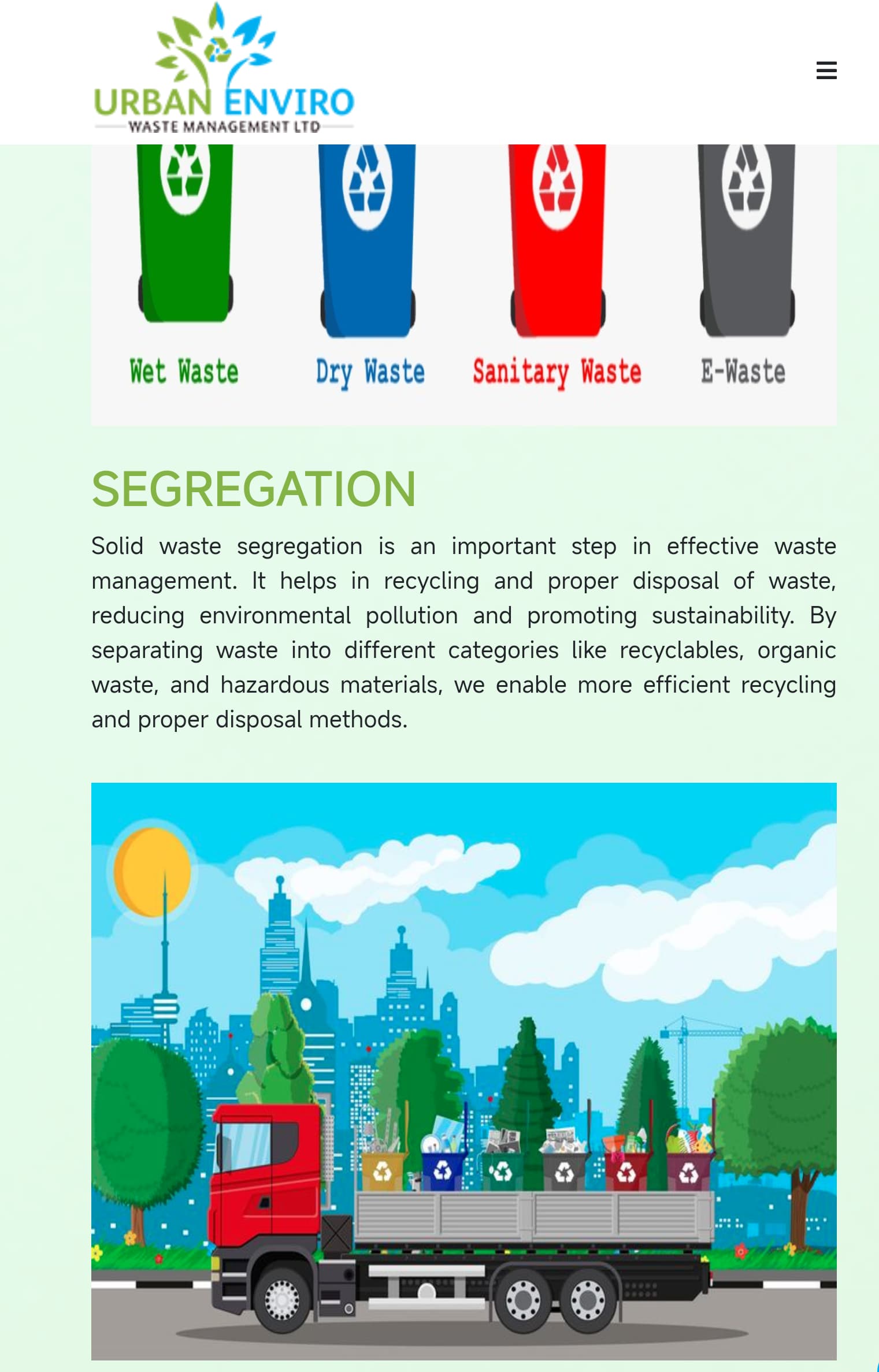
Do their employees manually segregate the waste ? Pg 5 and Pg 24 makes me think so..
Is this the norm in all companies in India that handle the MSW ?

they say “..We focus on improving operational efficiency by investing in advanced vehicles, equipment, and technology, along with robust project management tools..” but i see no mention of any technology or equipment for segregation of waste. All i see in their presentation is vehicles that merely transport the waste from place A to place B.
What is their niche then ?

1 Like

most probably that is .