
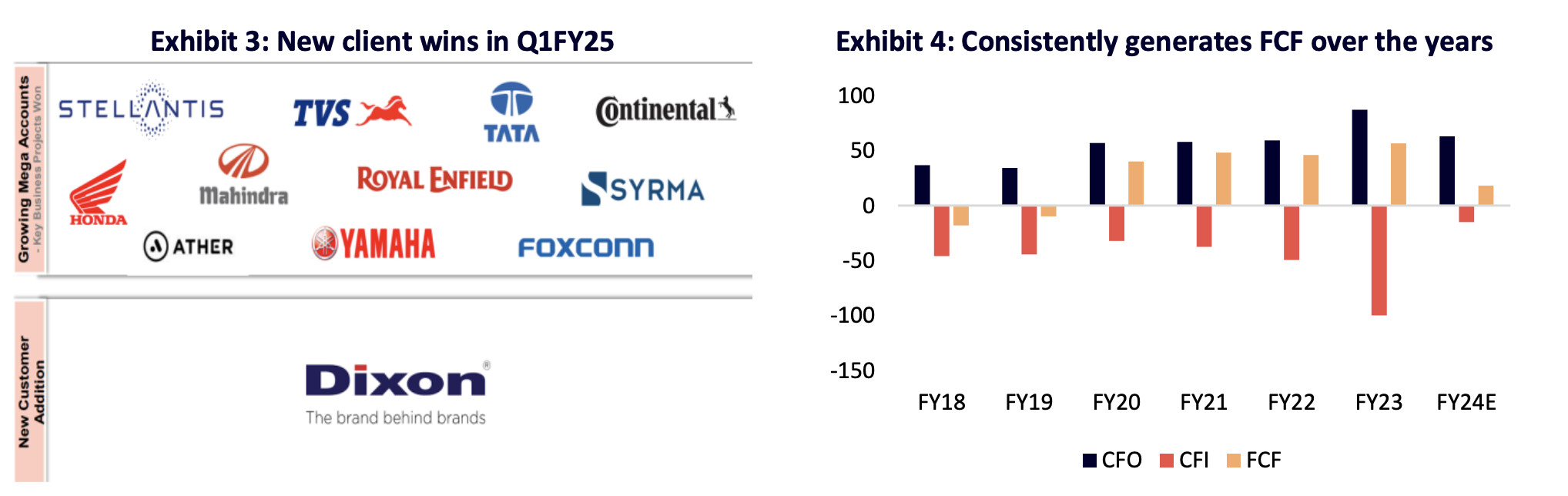
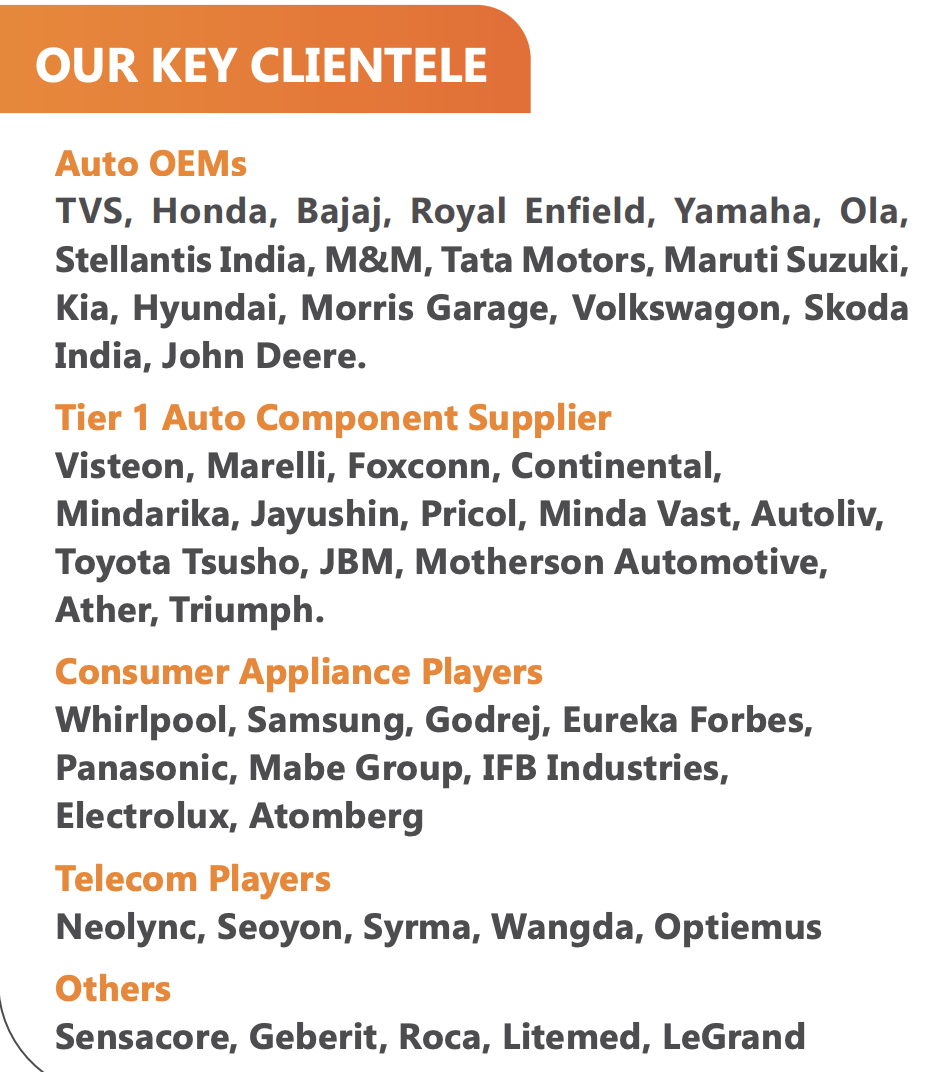
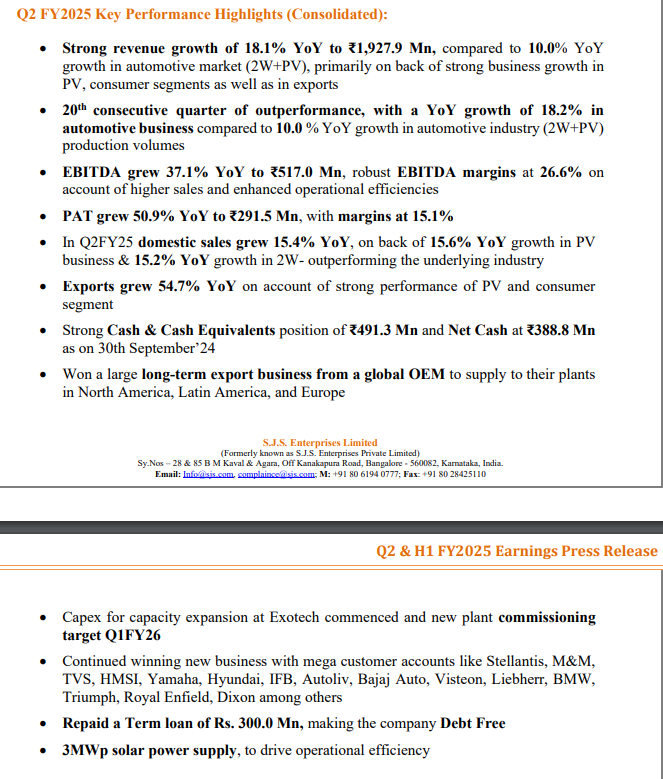
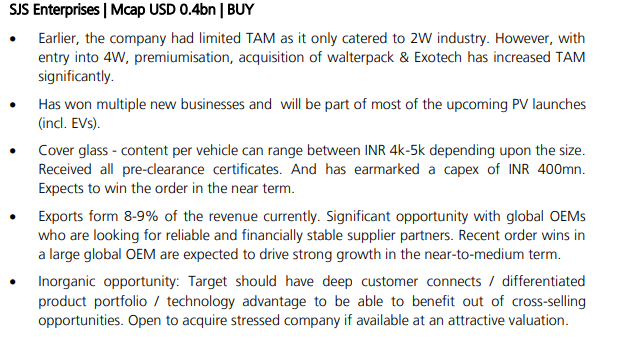
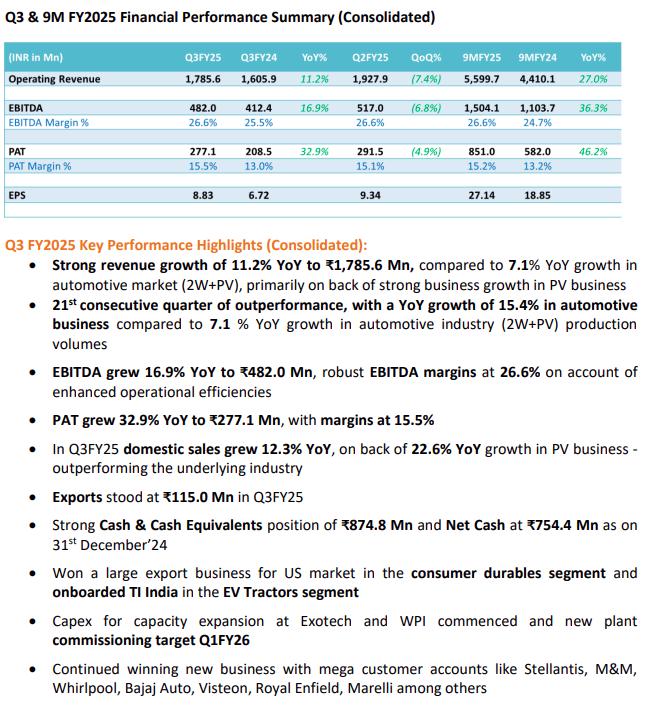
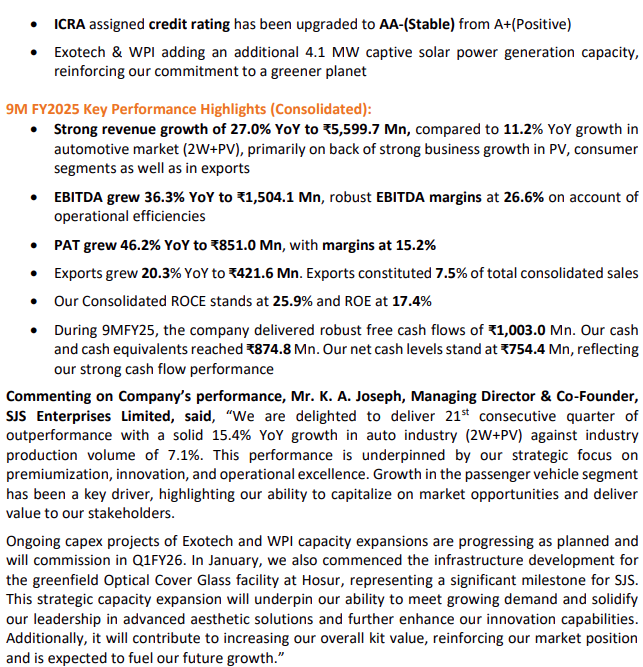
SJS excellent results.
More than 50% YoY.
Fully paid long term debt.
High cash generation.
Outperforming auto industry growth.
Grew standalone numbers too.
Won an export deal in consumer segment.
Export grew 50% YoY.
Margins also grew by 1%

One of the first bad press Regarding SJS
For any fellow Value pickr based in Bengaluru, can someone find out current status
@Gautam_Chopra please share complete report
This information comes directly from the recent SJS conference call and Q2-25 presentation. It’s surprising how some stock analysts rely solely on quarterly calls to make buy or sell recommendations. There doesn’t seem to be any in-depth research behind these suggestions—they’re just echoing details from the latest presentation. So, take any recommendations with a grain of salt and make sure to do your own thorough research.
Disc - Invested
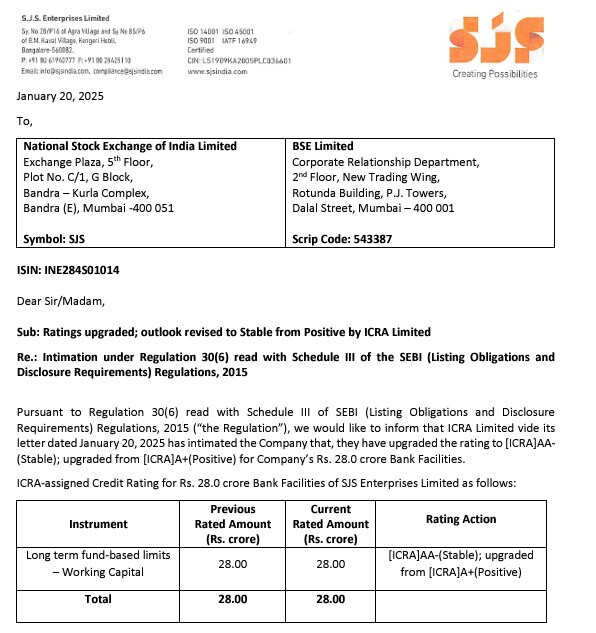
Promoter K A Joseph pledged his shares for a capital of 25Cr and later revised it to 15 Cr.
https://www.bseindia.com/xml-data/corpfiling/AttachLive/27467A1D_7083_4015_9621_6565FE6D174D_181500.pdf - 25Cr
https://www.bseindia.com/xml-data/corpfiling/AttachLive/D43C6444_E637_4B69_BE68_030E3B0FAEAB_200938.pdf - 15 Cr
How do we take it, as it’s for personal use…A red flag?
OR
His confidence in the business which made him to pledge rather than sell?
Dixon results are quite impressive with significant increase in revenue. SJS added Dixon as their customer recently. Any idea on the percentage of revenue expected from Dixon?
Hi All,
SJS had organized a plant visit of their WPI and Exotech plants in Pune, below are the plant visit notes:
SJS Plant Visit notes - Date: 28th Feb 2024
From management - Sanjay Thapar, CEO + Mahendra, CFO + Plant heads of WPI (Roy Matthew) and Exotech
Exotech Plant visit:
- Process:
- The process consists of injection moulding > chrome plating > painting.
- The process is complex – main complexity arises from (1) having chrome stick to plastic (needs to deposit multiple layers of chrome and metals), and (2) providing a clean metallic finish with variety of finish options to the customer.
- Change in nature of demand:
-
Currently Indian customers are okay with Hexavalent chrome which is a hazardous process (final product is not hazardous), as company is moving towards targeting more European customers, the company has developed technology which gives chorme free plating;
-
Currently in India Mahindra has started moving out of Hexa to chrome free plating;
-
The company has all three capabilities → hexa chrome plating, tri chrome plating, non chrome plating
-
Trivalent’s realization is 30% higher than hexa
-
TVS earlier wasn’t able to export in Europe because of Hexavalent chrome, SJS is now supplying to TVS and is now growing at 10% (TVS in Europe scale didnt get touched upon)
-
Along with this, the company is doing multi shade/design based chrome plating products
- Relationship with Mahindra:
-
Revenue share in Exotech: 50-60%; similarly 60% of output goes to M&M
-
Dual tone wheel cover (done for others as well) requires masking and printing/painting hence higher realization
-
Wallet share for chrome and painted interior 70%
-
Overall SJS consol level, M&M is 14-15% of sales
-
Currently supplying 75 part items to XUV700
-
MaXX logo above is an example of cross selling, where the “Ma” (Exotech) is chrome plated and the XX is sticker (SJS work)
-
Completed aero caps (aero-dynamic wheel covers) design from build to spec for Mahindra. Aero caps go into alloy wheel rims; kit value increased from 1000 to 2500 due to larger alloy wheels esp in premium SUVs
-
Kit value with XUV700 ->1700, with 9E its 5000 vs 300-400 for polyplastik (their competitor for wheel cover plastics, working with Tata, Maruti) → this has been more thru premiumization rather than increase in parts

- New/other clients
- Geberiett 8 years, roca 3 years relations
- Tata Motors have moved from the earlier logo to their new logo, which has moved out of Exotech (chrome based) to WPI (IML product); SJS has 100% share for it
- Other clients include: Stellantis (which is more interior work), TVS, Whirlpool (Whirlpool order is 10Cr per annum for 5 years for overlays)
- BYD is in touch with the company
- The Mercedes Logo manufacturer that went bankrupt(Link), there is a RFQ process going on, SJS is also participating in it
- Stellantis is currently like a foot in the door, hopefully SJS can prove itself to penetrate further; Stellantis also opens up possibility to tap into GM, Ford etc
- John Deere another big client (among top3)
- Hyundai has onboarded SJS as a vendor, no supplies yet
- What changed post SJS takeover:
- Aggressive marketing since acquisition.
- Utilization was increased by entering into new clients (atleast for WPI), earlier utilization was ~50%
- Rejection rates were reduced from 25% to 15%; 10-15% is an acceptable industry rate
- Capabilities:
- SJS being a global supplier, is audited by international clients, and therefore the company follows the international standards while manufacturing which includes employee, process, sourcing, pollution, vendors etc; therefore scaling and selling to other countries will not be an issue from standard of processes wise
- To ensure that their IP is protected, they work with designers who work exclusively with SJS only
- With the current product offerings + cover glass the company can deliver higher revenues say 3000 cr as well, what is required now is to how to penetrate more (note 3000 was just a number pulled out of thin air by me, its not a mgmt given target or limit, idea was to understand till what revenue can current product capabilities can be scale)
- The company is looking at M&As which can help accelerate these relations, with the idea being that the target is approved by the OEMs so processes of registration is done; the target need not manufacture the same products, as SJS can handle it; what the company is looking at is that can the existing relations be sold the products that SJS has
- Capex:
- New capex of 100 cr
- Current plans project breakeven in 3-4 years
- Currently the land is under plinthing stage, by Q2 is should be up and running as PEB will take smaller time to ramp up
- Current land is 68K sqft, new land is 3L sqft
- Haven’t lost orders due to lack of capacity, as they use outsource partners
- Cover Glass:
-
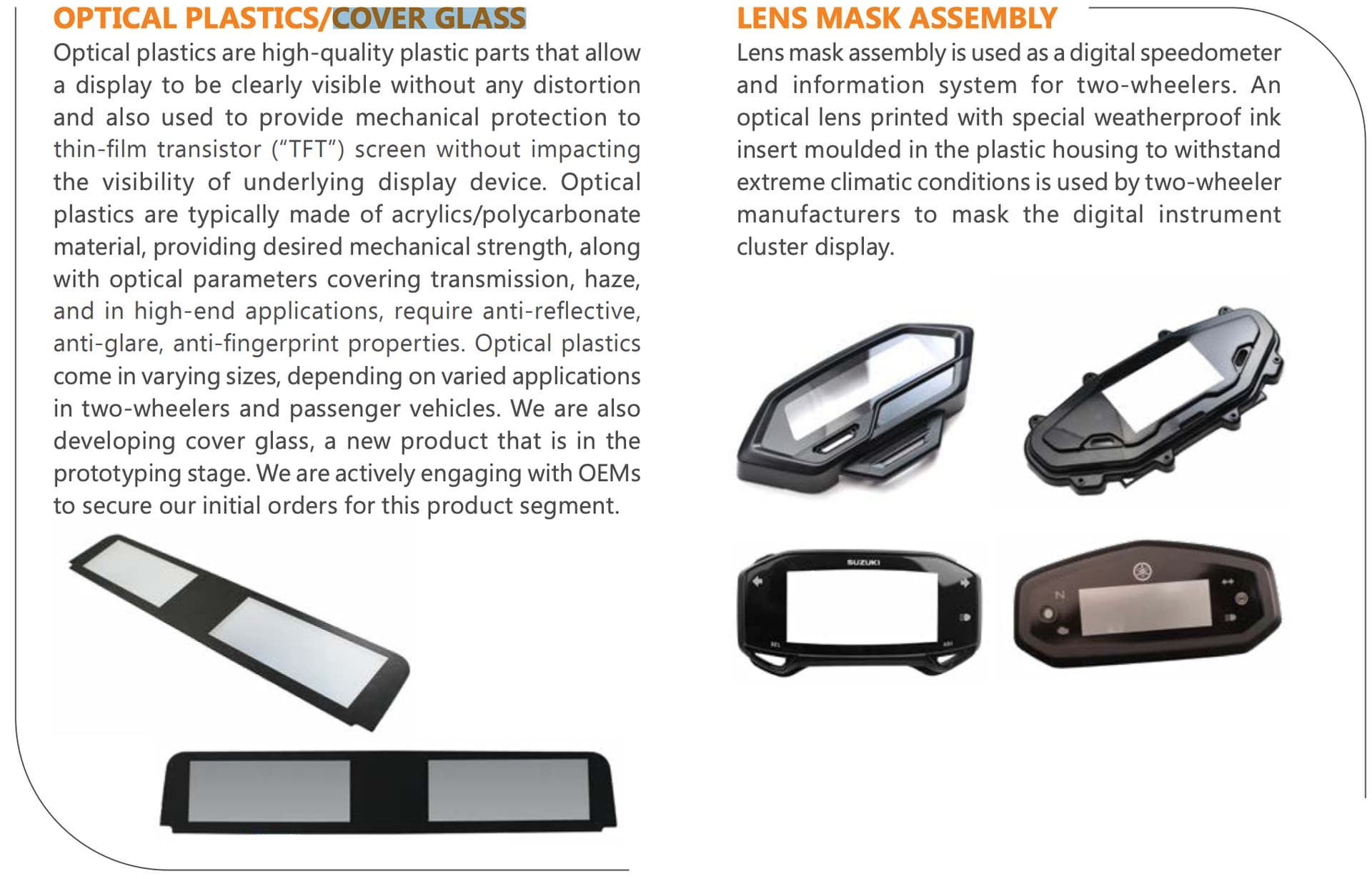
Cover glass forms the last layer of the touch-screen display, it is glued to the TFT screen (which is a commodity).
-
Current electronic display comprise of multiple layers, cover glass is the one that is more end-customer facing
-
SJS is currently getting just the front end glass printing; the main RM will be imported, and then SJS is going to do the printing work; printing works could involve bending of the glass, printing such that there is no driver distraction, doesn’t gets finger print smudges, anti glare etc etc
-
The RM would be 40-50% of the revenues, there would be other materials which the product will use; on an overall basis, the margins would be similar to SJS levels. Glass comes from Japan/China/SK/USA etc. now with China being the largest.
-
Currently orders with Vistreon are WIP and business would be scaled up
-
Cover glass kit value for premium SUVs could be 4-5k per car or more with 40-50% value add; Pricing wise SJS product would be say 5% cheaper from the current options that customers have
-
Cover glass manufacturing process
- Take glass, chemically clean, and strengthen it, do printing and do all layers on top such as laminations.
- Phase 1 - Laminating printed bent glass
- Phase 2 - printing and laminating bent glass
- Phase 3 - bending printing and laminating plain glass
- Reaching phase 3 will take 1 year or so. They will ramp up to full capacity in 3-4 years. Once phase 3 is done, gross margins can be 40-50%. Per unit selling price would be 2000-5000 depending on display unit size
-
Vistreon, Continental, Marelli are the 3 large global companies that make the front dashboard / screen / instrument cluster.
- Other points:
- Electroplating is a complicated process involving many chemicals - first cleaning using chromic acid, then Palladium deposition, then Cu Ni Cr deposited
- Procurement guy at Tata is the same for both logo and chrome materials
- Machines in Exotech were from Ferromatik Milacron, a German Injection Moulding machine manufacturer
- For exterior parts ABS is used as substrate and for interior parts PCABS is used because it can withstand higher temperatures. (In the factory floor saw a lot of manual assembly of logos and parts and manual quality inspection which seems tough to automate)
WPI plant visit:
- Roy Mathew was the first employee of WPI and runs the business from Pune office. He owns ~10% stake in WPI. He primarily focuses on sales and new business development, with a secondary focus on smooth running of the plant.
- CLIENTS: Tata, Maruti new dzire, renault, ifb, Mahindra, VW, Legrand (2nd largest, 25% revenue contribution) , Godrej
- WPI utilisation at present is 60-65%, new shed is already in place and machines installed and working. Hence no other new capex is in progress.
- IMD involves joining/embossing patterns on the plastic mould while IML means fusing two layers of different colors and producing the final product; benefit is that the product life is longer, as patterns can fade, be scratched while IML will stay on longer
- IML manufacturing process:
- Screen printing is done on polymer sheet (ABS, PMMA ETC) based on customer artwork
- After that high pressure thermos-forming is done to make the profile shape. Two types of thermoforming are there
- Vacuum forming – Simpler process where the male die sucks the film to form the die shape, usually handles only one colour film
- High pressure thermoforming - this is more evolved which can handle multiple colours and a more complex form can be built
- After thermoforming, trimming is done. There are 3 kinds
- Simple trimming is done using die punching
- More complex trimming is done by robotic arm or 5 axis milling machine
LEAD time to approval is 1.5-2 years. Develop tools, do 6-8 months of testing; SJS had tried to do it in-house in 2018 for Whirlpool, but werent successful, therefore WPI acq made a lot of sense for them to get access to the tech
Screen printing - has a learning curve for each project. 3% to 20% rejection, factored into costing.
- In IMD, the film only transfers the design to the plastic mould and the film is not part of the product itself. In IML the thermoformed film gets fused into the product during moulding. IMD is used for higher volume lower complexity mass manufacturing - mostly used in CA segment (But washing machine panel with buttons we saw was IML, not IMD). IML is more complex and used mainly for auto.
- Tata 50% of wpi revenues; other big customer is Legrand
- Wallet share: M&M 100% for EV as well as tata; other models of m&m are moulds simple
- IMD vs IML revenue can be 2x
- IML 2K color product involves fusing two layers of different color or transparency to give one single product
- IMD used for more volume; IML requires multiple steps and therefore lower throughout
- WPI seems very proficient in 2k moulding – this is where 2 different resins are moulded simultaneously in the moulding machine. This is used to create auto IML parts with input/display logos often found in premium SUVs.
- 2k moulding machine capacities range from 200MT-1000MT (Chinese machine FCS FB-280R)
- Wherever display buttons exist, the resin behind needs to be transparent and different from rest of the body, hence 2K moulding needed
- The TATA design head moved to M&M, and he bought the new product design philosophy, given SJS relation with Tata, it has now been able to crack M&M for these products
- IAC dashboard products vs WPI why one can’t do the other’s product:
- Technically either of the company can do the other person’s product
- IAC is more in to large dimension dashboarding, so for SJS to do that product would be higher capex; generally the product sees lower value add, so might not be justified for WPI
- For Lumax/IAC aesthetics is not their core area, therefore there is a skill gap
- Competition: ST/RM know of only Motherson who does IML/IMD/IMF, estimate their scale to be less than 5% of WPI.
Q&A with the CEO:
- Vectors for growth → premiumization ; better lifestyle needs driving demand; SJS products costs about 1500 for SJS to manufacture, 5000 it sells to OEMs, with those better aesthetics the OEMs can charge 50K extra to customer
- Large untapped opportunity exists in winning global business. Especially IML products are truly world class.
- Discussions on larger play display going in, might happen in a couple of qtr
- Looking at m&a next year happy with the tech, what is needed for faster penetration
- New areas:
- Godrej new customer looking at exports in CD
- For Godrej and IFB they are supplying IML parts rather than just overlays. Overlays are being supplied to Whirlpool. Overlay + moulded part = IML part. LG, Samsung also using overlays to keep costs low in India
- Maruti has started using IML for new DZire (for dashboard)
- New programs: IML interiors, looking to enter into assembly currently doing components,
- Assembly - vendor consolidate and product kitting
- e.g. they supply an overlay which is to be put in a plastic housing and a PCBA. He is thinking how much of the end customer’s pain can he take away by assembling these parts? This would save cycle time on OEM’s assembly line and increase throughput. So basically, for some products they want to become a Tier 1
- Supply products to legrand dealer points, without routing thru legrand
- Assembly - vendor consolidate and product kitting
- Acquisition is to look at accelerating the relationships
- NA for auto ,SEA for consumer durables are geo and segments of interest
- Hyundai: Breaking into Hyundai: Working with Koreans is not easy. They don’t even give you an appointment. Even if you are highest quality and/or cheapest. You need to hire a Korean person and slowly try to cultivate a relationship. We have started a small relationship in SJS standalone.
- Godrej new customer looking at exports in CD
- WPI tooling margin volatility is mix related
- IML varies from 200-5500 per SKU realisation
- Penetration is low in PV, maruti more conservative now going to up their game, maruti late comer but catching up fast; tata 13-14% market share, Tiago/harrier/safari are full, still mkt share can be 5-6% (SJS would have 80-85% market share)
- Hyundai,Kia are not using IML in India. But using in korea
- Market can grow to 40-50% penetration with kit value of 1000-2000 vs current 3-4K, becoming a 300-400 cr revenue
- IMD 100-300 per SKU realization (gear knob, center stack, for CDs eg Legrand SJS supplies IMD switch plates)
- Most bullish on 4W
- Chrome business is resurgent
- Exports
- IML
- COVER GLASS
- SJS is Tier 1 with auto OEM except instrument cluster, ie negotiations of rates happens with OEMs, while billing might happen to another vendor
- Pitching for IME products
- Globally also it’s in early stages, may be 2 years away
- Mercedes doing some conceptual prototypes
- Can be 1.5x IML
- Look and feel/curve will improve as instead of a hard/flat PCB, there would be an electric film which allows curves, can save weight also (might be minimal)
- How export capabilities being developed
- Stellantis is a new tech , not price driven; SJS is brand owner
- Marketing is handled out of India and have appointed sales representative (South America, Turkey, Korea, Europe)
- Decal is a fringe product in exports focused in India and asean
- Exports is $4B market and we are doing only INR 60 Cr.
- When 2W ev hits 20% kind of scale then displays would increase enabling a faster growth
- Cover glass
- Iml
- What keeps you awake at night
- Quality issue is something that keeps awake at night;
- While there is a standard test to check quality, at the client end the tester/buyer doesn’t follow it, and looks at the product manually and decides on whim
- The company is investing in developing/hiring a big QA team which manually looks at the products for quality assurance
- Some big announcement in next qtr wrt results may happen
- Meeting Walter Spain CEO for discussing next steps
- Wrt Walter Pack, India is cheapest location, which can produce products in line with quality standards
- While negotiating the terms of the deal, SJS wanted to keep India and Asia as a play, which it got; currently exports are not much into Asia ex-India which is yet to be monetized
- SJS was also clear that there were certain products of Walter Pack which was not in the roadmap for 3-4 years, so had let go it
- WPS relationship is on sound footing. WPI can independently service customers in India according to Roy Matthews but many domestic customers (TaMo, M&M) demand to know what global supply credentials the company has etc. because IML products go into their most premium models → so having the partnership is helpful for SJS
- CEO bandwidth :
- More on org/cultural development and interacting with mega accounts; the current business CEOs take care of growing the business
- Dixon is telecom and CD; telecom is IML and stickers
- Price was negotiated by end OEM but supplies into Dixon. This business can grow but SJS’s concerns are the low margins of Dixon and hence pressure on SJS pricing
COMPETITION (not discussed in the meeting, but desktop research):
Meeting notes contributors: @nirvana_laha and myself
Disclosures: Both of us are invested in personal capacity, as well as in client accounts.
DISCLAIMER: These are meeting notes, dont take it as a recommendation to buy or sell.
Divyansh! Thank you for this info..
Do we know if SJS is also supplying anything for the new Mahindra EVs BE6 and XEV9? Thanks!
@Markmaker yes they are supplying to the new line of EVs of Mahindra, refer above; they are supplying to both the EVs
Hi @IsaacAsimov
On the cover glass, my understanding is that they are going to get the glass from Visteon (not continental) and they would do the printing/polishing work that they do; right now thats the scope of work that they are providing to Visteon (the other players are the ones who are currenty doing cover glass business in India, but SJS is working with Visteon).
They are going to be doing the P1-3, not the chemical treatment of the glass, that would be provided to them by Visteon (this is my understanding)
The work currently atleast as of now is to work on the outer most surface of the cover glass and not anything beyond it, though they had mentioned that they believe they have the capabilities, but Visteon wants them to prove on this thing first before they move any where on the backward integration sort of thing.
thanks
Disclosure: invested in personal and investor accounts
SJS Enterprises Q4FY25 Concall
Before starting i feel SKU-intensive business are so tough to run. (Fortunately SJS moat may be hidden in this)
-
Tariffs: I thought SJS downplayed risks of US tariffs
-
Weakness in European demand noted
-
They will keep telling u that they will grow above industry ( i know 1/2 others who keep telling all this in almost every concall)
-
On back of the above pt i just made - They can grow well coz industry is slowing down in itself.
-
Rest 85% FY26 revenues almost covered via current orders
-
Hero MotoCorp Onboarding (major)
-
Exotech - 95% cap utilisation - expanding to double turnover
-
Walter pack india - 75% cap utilisation
FCF is commendable - in call they hinted around the acquisition possibility - US may be - depending on tariff clarity.
———-
Cover Glass Capability
- No Indian player currently manufacturing; SJS could become a local supplier of choice.
IML/IMD Growth
High-value aesthetics, digital clusters, and chrome parts driving kit value per vehicle from ₹1,200 to ₹6,000+.
———
Capex Plan: 150 Cr+ in FY26:
-
100 Cr for Exotech expansion (₹30 Cr already spent).
-
40 Cr for cover glass facility.
-
40–45 Cr for SJS Bangalore expansion.
Notes from Bangalore plant visit
1. Date: 20-Jun-2025
2. From Mgmt;
a. Sanjay Thapar, CEO for Q&A remotely
b. Kevin Thomas (son of K Thomas, MD)
c. Mr Adiga, NPD head
d. Mahendra Naredi, CFO
- Cover glass
- Pricing - curved ~ 5000, flat ~2500
- Overall Process to manufacture cover glass
i. Buy glass sheet which can be cut into multiple small cover glass units
ii. Cut the cover glass
iii. Strengthen the glass
iv. Bend the glass as per requirement
v. Curve the glass
vi. Coating of the glass (with the black/any color as required)
vii. Procure the AgArAf (Anti Glare, Reflection, Fingerprint) sheet (typically manufactured in Japan)
viii. Laminate the AgArAf sheet
ix. Package and deliver to client - Currently SJS doesn’t have capability to do iii,iv,v for which its working to find a partner, till then this part would be done externally, expecting to develop the capability in 6-12 months once production starts
- There are two tech for developing cover glass:
i. lamination (sjs strong) OR
ii. coating (to be developed) here the chemical which gives the same effect is sputtered on the glass - Lamination has inbuilt anti shutter, coating needs to be developed
- Price difference is coating is 5-10%, coating cheaper, while lamination provide higher features
- Once Cover Glass comes in then the content per vehicle can go up from 6K to 10K
- Company can achieve 25% margins over a period of time in cover glas
- In future the company may look at providing the whole display (Cover Glass+TFT+Backlight) as a package to the clients, TFT+Backligt is commodity and therefore would be more in the nature buyout, the value add would be in Loca bonding which would be developed thru JV; margins may take a hit, but revenue and capital return metrics would become higher
- Product and Sales
-
On consol Tata, m&m, visteon equally spread (given what was mentioned in Pune visit, these 3 ~45-50% of sales); For Maruti SJS provides dial and speedometer for - Dzire, baleno, glanza, swift - making 250-400/unit
-
Speedometer/Dials: while there is a trend to move towards digital, there is no plan to compeletly move to digital, and the side areas still involve products supplied by SJS (the side panels where various signals from vehicle gets flashed), the realization between this part digital and fully analog is similar for SJS
-
Japanese OEM are still analog, while European say BMW, Benz are moving to digital
-
Offering penetration (basically if there is a scope of 100 rs in aesthetics, what all can SJS currently provide)
a. 2w 50-60
b. CD more or less done
c. 4w not sure, but more possible -
All big T1s like Visteon, Continental, Mareli are existing relations (ie. No one is missing that SJS doesn’t sell to)
a. 80% of visteon India is by sjs, have global business as well
b. Continental slowly expanding -
Sales as Tier 1:Tier 2 = 50:50, T2 tries to reduce cost, however in most cases the oem decides the price and relation and instruct the vendor to take from SJS
-
How is SJS able to maintain margins: There are many complexities, and variants in the product which the OEMs can’t simply do the usual mathematics of how much metal, labor etc, also the OEMs dont understand the processes that much for the value of item that is being supplied, the company also has some flexibility on the number of units manufactured within a sheet, or can different units be combined in a single sheet to meet pricing requirements; sometime the OEMs say that we want (eg. dial) at a certain price point, there SJS has flexibility to decide the manufacturing process to deliver the items
- Sales cycle and SJS’s moat:
- Mostly the OEM team comes with either a broad design or idea and tells SJS about the requirement; Then SJS works/suggests changes to the design to ensure viability (from production, no cracks, easy fitment by labour without issues)
- Given the past relations, companies approach SJS first, and therefore SJS retains majority of the market share (say out of 6 shades, 4 shades would go to SJS), Balance is imported from Chinese
- In the other case, eg. UV EV Bike, SJS approached them showcasing what all they can do on the bike, got approval and moved ahead, however such cases are very few
- The company maintains 32000 colour codes, while sericol provides color to SJS locally, it eventually comes from japan; OEM defines the shade sometimes ask sjs for samples to choose from
- The company has 5 designers, which works on the design shared by the OEMs.
- The inquiry to approval process can take 2-3 weeks to 6 months depending on organized the OEM is
- While as users we would see 5 colors on a dial, in reality it involves 18 colors to be printed to balance the dispersion of light, as well as manage gradients
- Why SJS is preferred by OEMs:
a. OEMs want JIT in small batch sizes of say 100
b. The designs also keeps changing regularly, and therefore design process is more interactive, leading to say Chinese players not be able to compete at par
-
Exotech: Along with Chrome, Aluminium is also emerging as another material for aesthetics, SJS supports both
a. Chrome is cheaper and supports higher volumes
b. Aluminium is used for more complex design e.g. the Speed 400 (highlighted below is Al based) as it has multi colors and gradients; there is limited competition Classic Stripes only in India
-
Win at Hero
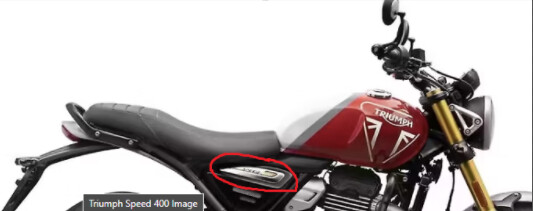
- 250 per part kind of realization, production is already started
- Reason enabling win at Hero: There was some disagreement between Classic Stripe and Hero, which led them to part ways, over say 1-2 years 90% of the sales should come to SJS
- Discussion with Dixon: Currently business is with Washing Machines, looking at cover glass opportunity with them as well
- Futuristic products: Illuminated Logos: the illuminated logos in Tata was launched, however there are some regulations which restrict its applicability (causing distraction to the other drivers); while the regulation prohibits, the management has developed prototypes and shared with OEMs, the hope is that over 1-2 years OEMs will get convinced and convince regulators to allow (maybe with some modifications)
- Other details:
- Polyplastic suppliers majorly to - suzuki
- Hybrid vs ev no difference in penetration, no effect of EV REE right now
- Naxnova nothing much in capability
- US competition: Serigraph overlays, Inoflux overlays (whirlpool)
- CEO shareholding: sold 0.6% to fund the esop grants; additional 3% granted not exercised; the company doesn’t have a forced retirement age for the CEO, so till Sanjay Thapar wants to work he can remain engaged
- Mgmt Q&A:
- Peak revenue from current gross block; SJS 65-70% util , peak 80%; techoplast 100 cr overall capex, 30 incurred additional during the year (Q3 types plant commercialisation) revenue can double; wpi 75% can reach 85–90%, cover glass 2-3 years story 3x ATO with 40 cr cap, Short Term revenue can be higher due to Hero
- Acq: sizeable capex? Which areas: current product mix we are happy, tech wise we have sufficient offerings, focus is to expand penetration; next year looking at m&a in North America or South East Asis; India is also okay if valuation are good
- Manage large number of skus across supply chain, competition will face difficulty to replicate
- Margin compression: as iml gets adopted? Margins have been consistent, the company makes sure that any line of business that they enter can give/reach these levels;
- WPI margins pre-acq 31% , post acq 19%; 2k injection moulding process is more complex (tata harrier +safari made a complex tech, over designed for India; complex product led to lower margins) therefore margins reduced as it was a new tech for the company as well; mgmt believes that the margins will revert back;
- Exotech Added some premium finishes introduced-> higher margins; consider 18% margins from India, exports will be higher tgt is 20-21%
- Automation possible: Looking at optical inspection, checked with global players, some part is automated, remaining is there, errr to the side of caution (also didn’t find any solution); manufacturing printing is batch mode, people are required for cleaning of ink, business intrinsically require labor, automation of production system; erp & mrp implementation
- Global WPI discussion going on, nothing worth mentioning as of now
- Growth to come from cover glass and non standalone company
- M&A: can look at beyond auto? CDis an example, once we acquire tech focus is on cross sell; already supply to medical, sanitary, pharma
- Cover glass : supply chain Is assembled outside, visteon likes the product of sjs, current capacity of visteon would mature in 1-1.5 years, new products will be the area where SJS may play, not the existing products of SJS, lot of other company approached what can happen in display (cg +tft + back light), may look at new things, at the moment looking at cg alone or add more, finalising clean room, work going on, sometime next year revenue would come; looking at other display opportunity other than cover glass
(New thing means providing the whole thing as a complete package, with bought out parts initially, (how those tech evolve and can SJS do is not known), bonding all of these components would be area where SJS would provide value to clients.) - Aftermarket possible: it’s a distribution business, company dna is b2b, not direct b2c; with Quick Commerce certainly looking at aftermarket; brand TRANSFORM exists but dormant, will look at this at an appropriate time, could be a significant player in aftermarket, it can be global business as well, however this is not the no 1 priority
- Chinese competition: export to China, replaced Chinese player in whirlpool; quality cost delivery wise oems are happy; chrome plating they were strong, environment norm got strict, there Is a govt backed scheme to export, keeps us on toes; Chinese supplier are focused on local, don’t want to deal with large number of SKUs ; OEMs are derisking supply chain, some are good players, issue comes in how to manage the relations; India better in communication; game is for the most competitive, till sjs supplies good thing would happen for it
- Global player margins are half of sjs, due to labor + batch; sjs gives 5% cent cheaper to get business (entry discount) but normalises over period of time)
- What we need to supply to mb Daimler etc: be present close to them, business comes coz r&d designer is comfortable when you are close; where there are not many changes it’s possible; decal/logos possible; knocking at door of these player, but they don’t do main stream manufacturing; quantity wise us OEMs understand sjs quality on t2 basis, entry into such players through m&a is the idea
- Exports are 3-5% margin better
- SJS as acq target (as promotor stake is 25%): difficult for someone to take this much pain of running the business + people do more for captive
- Vision: be numero uno in this category in the world
- Other small questions:
i. Valuation is premiumization driven, where are we in the cycle: general gyaan to say that long runway
ii. Number aggression going down: don’t give guidance , cnbc interview elara 1250 by fy28, mentioned directionally correct
iii. Rejection cost: each business has own nuances, overall we earned 26% margins, it is net of it; don’t get into micro detailing
iv. 85% fy26 revenue is already won; 50% business is 3-6 month delivery
v. REE: life will go on, don’t worry too much, if it happens then it’s global phenomenon; optimism that things will be solved
Disclosure: invested in personal and investor accounts
@divygupta - Thanks for the detailed analysis. I see that Promoter KA Joseph has pledged around 4.3% of shares, around Dec 2024. What would be the reason to do that for a company having good Cash Flow and almost Zero Debt? Is that something to monitor further?