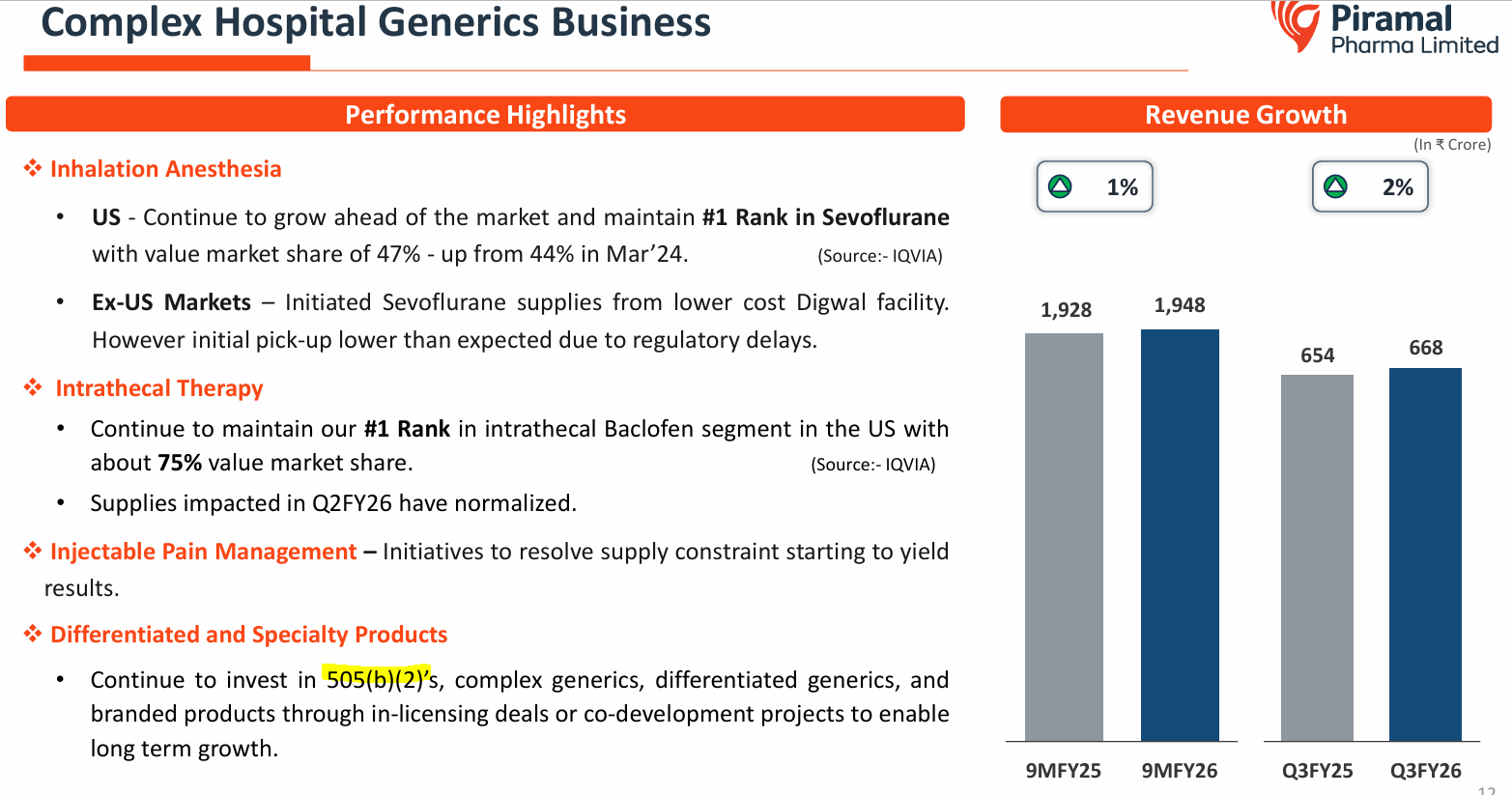
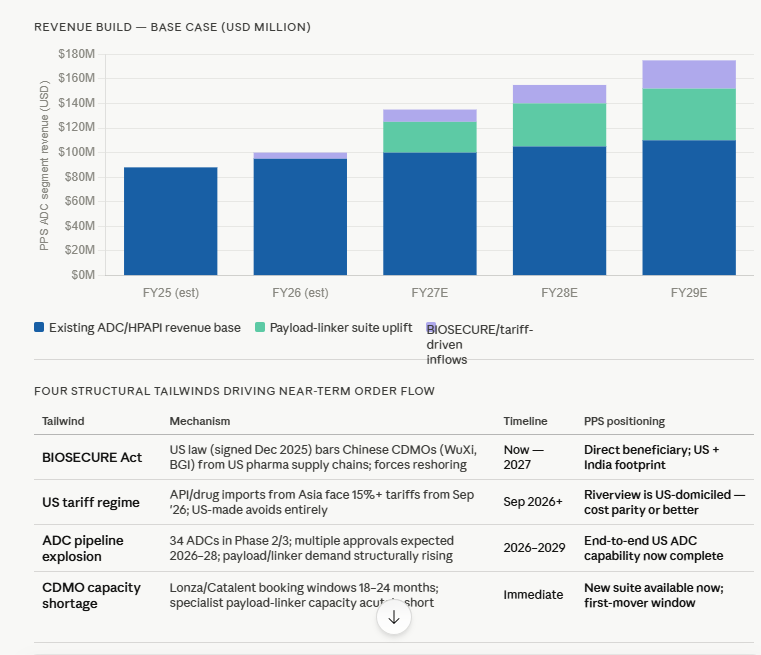
PPL has mention that they are investing in 505(b) opportunities.
I started digging into it and found some interesting info. Here is info from the AI
What is the 505(b)(2) Pathway?
The 505(b)(2) regulatory pathway is a hybrid FDA New Drug Application (NDA) route that lets drug sponsors rely partly on existing safety and efficacy data from previously approved drugs, reducing the need for duplicative studies and accelerating approval for modified or differentiated products — with potential market exclusivity.
In simple terms, it sits between a full NDA (for a completely new drug) and a generic ANDA (an exact copy). It is designed for drugs that are modifications of already approved drugs — for example, a new formulation, a new dosage form, a new route of administration, or a fixed-dose combination of two existing drugs.
Key advantages of this pathway:
The main benefits are that it takes less time and money to develop, requires fewer studies than full NDAs, and qualifying products may be able to get three to seven years of market exclusivity.
The pathway bypasses the need for numerous nonclinical studies and extensive safety and efficacy tests. Since clinical studies can often be initiated simultaneously and developed in parallel, it leads to significant cost and time savings.
Why Is This Strategically Important for Piramal?
Piramal Pharma operates primarily through its Complex Hospital Generics (CHG) and CDMO segments, both of which are heavily exposed to the US market. The 505(b)(2) pathway plugs into both.
Piramal’s stated strategy explicitly includes investing in 505(b)(2)s, complex generics, differentiated generics, and branded products via in-licensing or co-development projects for long-term growth.
Beyond FY27, growth will likely be driven by 505(b)(2) products, which enable USFDA approval for drugs that involve modifications to an already approved drug, without the need for the research typically required for a full new drug application.
How the Economics Work for Piramal
This is where the 505(b)(2) pathway becomes especially attractive versus regular generics:
1. Market exclusivity = pricing power. Unlike a standard generic that gets commoditised quickly, a 505(b)(2) product can command brand-like pricing for 3–7 years due to the regulatory exclusivity it earns.
2. Lower R&D cost than a new drug. A 505(b)(2) program with a robust bridge and a well-characterised reference drug can be completed by a company with as little as $20–50 million in development capital — bringing it into the range of venture-backed biotechs and small-cap specialty pharma operators. For Piramal, which has existing manufacturing infrastructure, this is far more capital-efficient.
3. Addressable market is large. The CHG division is building a pipeline of 24 new products targeting an addressable market of over $2 billion , with a meaningful portion of those products targeting the US market via differentiated and 505(b)(2) pathways.
What Types of Products Piramal Is Targeting
Piramal’s focus is primarily within its injectable and hospital generics space, where 505(b)(2) is particularly powerful. Typical product types include:
- Modified-release injectables (e.g., a new concentration or infusion time for an existing injectable drug)
- Fixed-dose combinations of two approved drugs in a single product
- New routes of administration (e.g., turning an oral drug into an injectable)
- Intrathecal and injectable pain management products — a niche where Piramal has specific manufacturing expertise
A concrete example is Piramal Pharma Solutions’ collaboration with NewAmsterdam Pharma — a dedicated Oral Solid Dosage suite at its Sellersville, Pennsylvania facility for the commercial production of a fixed-dose combination drug (Obicetrapib and Ezetimibe). This partnership is expected to bring $50–100 million in annual revenue for the first three years, with contributions materialising from FY27 onwards.
Timeline: When Does It Kick In?
| Phase |
Period |
What Happens |
| Development & Filing |
FY25–FY26 |
Pipeline products in clinical/regulatory stage |
| Early approvals |
FY27 |
First 505(b)(2) approvals; initial revenue ramp |
| Scale-up & launches |
FY28 onwards |
Multiple product commercialisations; higher-margin contribution |
The key point here is that the lead time is long — developing and filing a 505(b)(2) product typically takes 3–5 years from inception to approval. This is why JM Financial and other brokerages specifically flag FY28 and beyond as the period when this strategy starts meaningfully contributing to Piramal’s top line, since the products likely entered development in FY23–FY25.
The Risk
The 505(b)(2) pathway has a history of products that were technically successful in gaining approval but failed commercially — meaning regulatory approval alone does not guarantee revenue. Piramal will need strong commercial execution, formulary access in US hospitals, and the right product-market fit to convert its pipeline into sustainable earnings.
Overall, the 505(b)(2) pipeline represents Piramal’s attempt to move up the value chain — away from pure contract manufacturing (low margin, cyclical) toward proprietary differentiated products with exclusivity, better pricing, and stickier revenues.
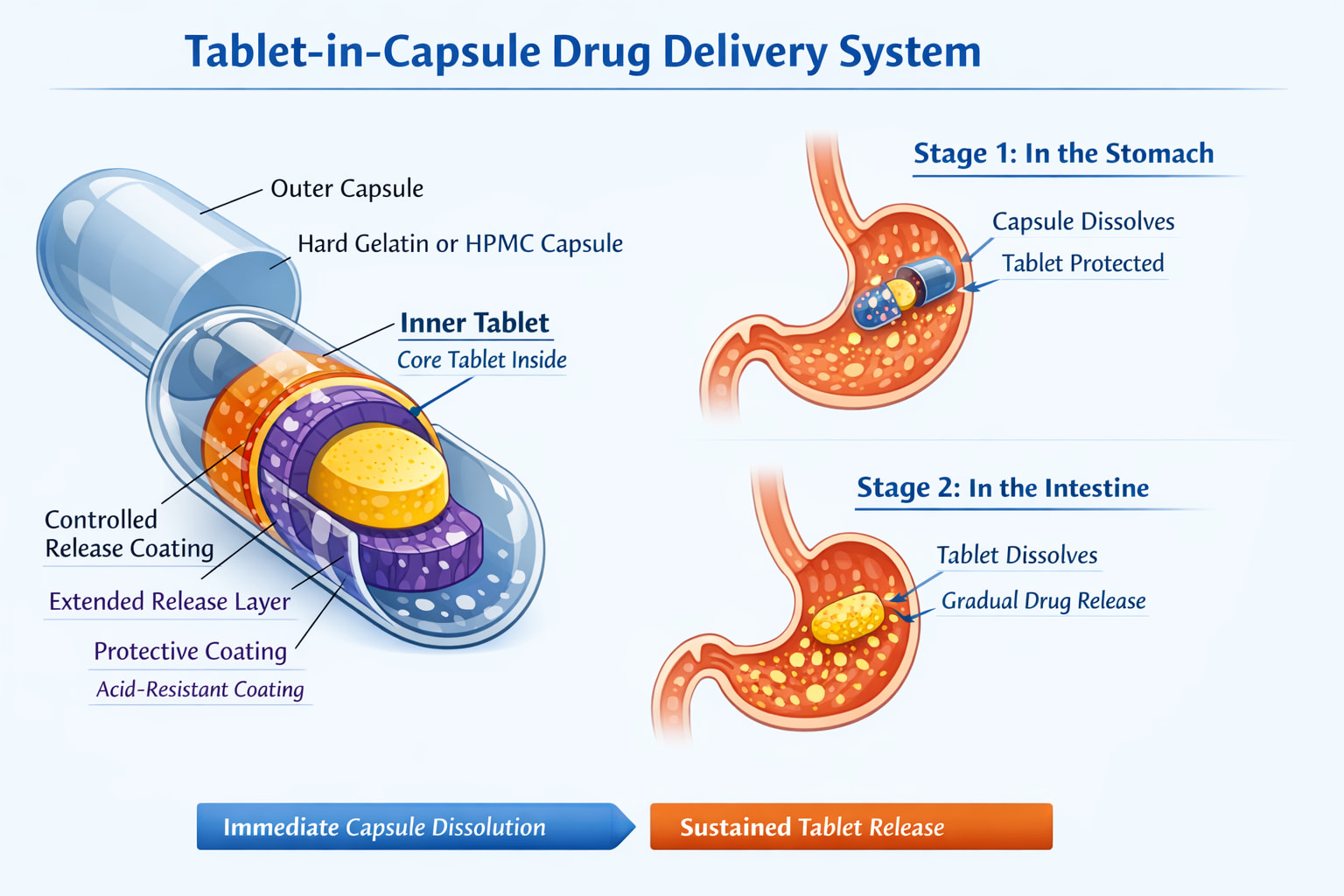
 Structure
 Why it’s useful
 Examples in practice
 Why CDMOs like Piramal care