Embassy REIT: Is this "Blackstone" promoted REIT is real diamond?

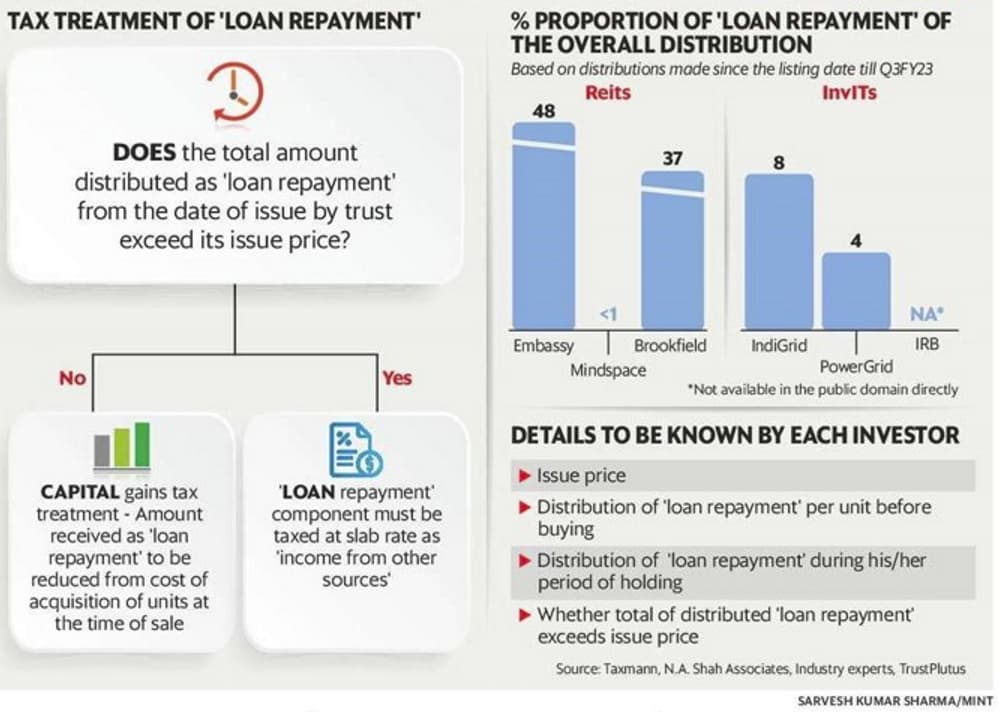
To my knowledge now the debt portion is always taxed, either the same year or while you sell it. The impact depends on your sale date and tax slab as well.

  1. When you sell the share, the profit will be sell price - buy price + debt component
  2. Once the total debt repayment crosses the IPO price, the debt component will be taxed at slab rate.

Hope this image gives more clarity:

2 Likes

This is really helpful, so turns out my understanding was incorrect.

1 Like

Can SEBI force a CEO out ?
Update on SEBI letter regarding CEO’s fit and proper criteria.

the NFRA order details are covered here

https://www.financialexpress.com/market/embassy-reit-may-approach-sat-against-sebi-order-3657349/

– long read –

If you manage someone else’s money in any shape or form, one requirement from the regulator is that you shouldn’t have defrauded anyone in the past. Sure, it’s basic, but it’s also tough to meet because there is a non-insignificant overlap between people that enjoy both fraud and managing other people’s money.

Earlier this month, SEBI issued an order asking Embassy REIT to suspend its CEO Aravind Maiya. The reason being that Maiya had been caught up in an unrelated fraud from a few years back, and had also been debarred from being an auditor.

Until 2019 Maiya was an auditor at KPMG BSR & Co, which is an audit firm that most people recognise as KPMG India. At the time, BSR was the auditor for Coffee Day Enterprises Ltd, the company owning the CCD brand. CCD’s owners turned out to have embezzled money from CCD to another company that they owned. Maiya was the guy responsible for ensuring that CCD’s financials, which was a publicly listed company, were correct.

Well, he did a horrible job.

Draining out the coffee

Here’s a slightly dramatic look into one of the ways in which VG Siddhartha, the founder of CCD (who unfortunately killed himself) stole money from the company:

  1. He kept a bunch of cheques in his table drawer. Each of those cheques were pre-signed by CCD’s CFO (and whoever else whose signature was needed to make a transaction).
  2. Next he would draw a cheque for a few hundreds or thousands of crores in favour of a company called Mysore Amalgamated Coffee Estates. The company was owned by his dad. Supposedly, it sold coffee beans and that’s what CCD was paying for.
  3. On his way back home from work, he likely dropped the cheque in his bank’s cheque deposit box.

Sure yes, he probably didn’t deposit his cheques himself and sent someone else to do it for him. But the idea is generally right. Here’s a couple of snippets from a SEBI order against CCD from last year:

I note that the Noticee has itself admitted that VGS, the Promoter and CEO, was running the entire show within CDEL and its subsidiaries. It has further admitted that VGS used to collect the signed blank cheques and all the fund transfers were done by him

And,

CDEL in its submissions to SEBI had stated that CDGL had regular coffee procurement relationship with MACEL [para 41(h)]. The revenues of MACEL during 2018-19 and 2019-20 (the years during which the fund diversion to MACEL had occurred) were merely Rs.1.71 Crore and Rs.3.27 crore respectively… It is quite intriguing that despite the extremely weak financial position of MACEL, the subsidiaries of CDEL decided to advance funds to the tune of Rs. 3,535 Crore to MACEL. This sum was more than the net worth of the Noticee, Rs. 3166 Crore as of March 31, 2019.

Siddhartha signed off on cheques apparently to buy coffee beans. But the company he paid more than a thousand crores in advance to buy coffee beans from, had a revenue of less than a few crores.

How did he get away with it? That’s where Aravind Maiya, the KP BSR auditor comes in. Maiya, whose job it was to identify and catch shenanigans when auditing CCD’s books, apparently did not because Siddhartha hadn’t technically written those cheques from CCD’s chequebook. He had used the chequebook of its subsidiary!

Here’s a snippet from the National Financial Reporting Authority (NFRA), [1] an organisation I didn’t know existed before this:

CDEL borrowed Rs 2,960 crores from Standard Chartered Bank, through its step down subsidiary TRRDPL, which was a 100% subsidiary of Tanglin Developments Limited.

[…] the EP has stated that they were the Auditors of CDEL and not for the subsidiaries, and they relied upon the audit work and the audit reports issued by other statutory auditors of CDEL group entities as permitted by SA 600 (Using the Work of another auditor). He further stated that he had relied on certain additional audit procedures performed on identified account balances of CDGL and TDL which were considered important from the standpoint of consolidation.

One of CCD’s subsidiaries borrowed ~₹3,000 crore and lent a portion of it to Mysore Coffee (the company Siddhartha’s dad owned). Maiya told SEBI that since the money had gone out from CCD’s subsidiary, not CCD itself, and since those subsidiaries had their own auditors who found nothing wrong, it was okay for him to have the go ahead to CCD’s financials no matter how unusual they might seem.

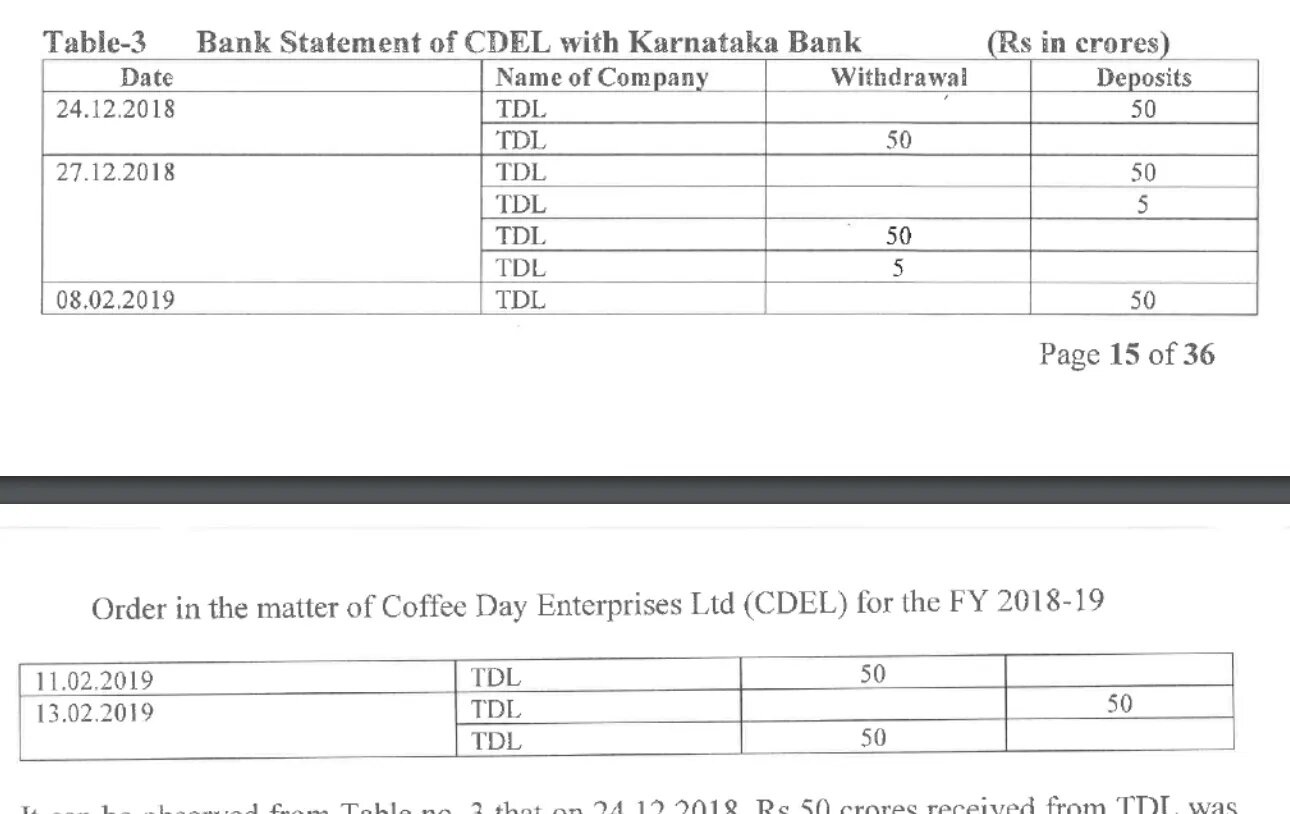
In another case, CCD was lending money to one of its subsidiaries in a.. peculiar manner. Here’s a bank statement from NFRA’s order:

Whoo, that’s quite some back and forth of money! CCD wanted to move money to its then-subsidiary Tanglin Developments. [2] So it lent it money. Tanglin repaid that money the same year, which in the world of finance is a great sign. But then CCD would just re-lend the money back to Tanglin in a couple of days. Eventually of course, that money would find its way to Mysore Coffee. Until the next time Tanglin’s loan from its parent company had to be “repaid”.

I’m not an auditor, probably for good reason, but if I saw a bank statement with a +₹50 crore almost immediately followed by -₹50 crore repeated a few times and even across bank accounts, I would be alarmed. From NFRA again:

[…] the EP [Maiya] stated that he did not review the transactions between CDEL and TDL in the manner NFRA has considered, as the money was advanced and returned during the year and these transactions were eliminated during consolidation, TDL being a wholly owned subsidiary.

NFRA feels that Maiya’s responsibility was to ask CCD, “Hey why are you sending money back and forth to your subsidiary?” Maybe there was a perfectly reasonable answer to this question (rewards on Google Pay?). But not finding the transactions suspicious was suspicious.

FIT AND PROPER

If you were a board member at a real estate investment trust (REIT), one of the things that you may want to do is to keep your REIT away from any shady people. Sure, you want to be doing that regardless, but especially if you’re around a REIT. Real estate in India is shady! The calling card for REITs mentions that people shouldn’t invest in them without getting their hands burnt.

Here are Aravind Maiya’s qualifications:

  1. Found guilty of professional misconduct by NFRA.
  2. Debarred from being an auditor.
  3. Penalty of ₹50 lakh ($60, 000).

Would you hire him as your REIT’s CEO? Maybe you have no idea about all of this and let’s say you do. If the regulator comes to you and specifically asks you to reconsider his eligibility—what do you do?

This is what Embassy REIT did. From SEBI’s recent order:

REIT Regulations do not specify any criteria or requirements of the CEO of a manager to a REIT and do not provide any ‘fit and proper person’ criteria for the CEO of the manager of the REIT.

SEBI wanted the REIT’s CEO to be a “fit and proper person” which is just a bunch of floor criteria for stuff like not having defrauded anyone or being a criminal. Embassy REIT’s argument was that its CEO doesn’t need to be a “fit and proper person”?!

I know no one reads SEBI orders so Embassy REIT didn’t really care about what showed up in SEBI’s order. But come on, arguing that your CEO doesn’t need to be fit and proper is courageous. If it was up to me, I’d publish this line on the front page of whatever business newspaper I could. (The best I can do at the moment is the title of this blog post.)

Eventually, of course, Embassy REIT had to ask Aravind Maiya to step down because SEBI didn’t give it an option. What do you think Embassy asked Maiya to do? My presumption was that it would ask him to go on sabbatical, or I don’t know, maybe pick up gardening as a hobby.

Here’s a snippet from its official statement:

While we are reviewing the order and evaluating all options, in compliance with SEBI’s directive, effective immediately, Aravind Maiya will be stepping down as CEO of Embassy REIT. He will assume the role of Head of Strategy for Embassy REIT.

HE WILL ASSUME THE ROLE OF WHAT? When the regulator asks you to chuck your CEO out, you chuck your CEO out! You don’t give him a proxy CEO position as head of “strategy”. [3]

I have a hunch that someone at SEBI is now writing another order about how the head of strategy at a REIT should also be fit and proper. This time around they might cover more job titles.

Footnotes

[1] SEBI and NFRA worked together on this entire thing. First, SEBI investigated CCD and found that things were off. Then NFRA investigated Maiya, who was CCD’s auditor, because things were so bizarrely off. Then SEBI issued the most recent order asking Embassy REIT to ask Aravind Maiya to step down as the CEO because NFRA found him guilty.

[2] CCD eventually sold Tanglin Developments to Blackstone.

[3] The performance of the REIT in terms of its market price has also not been anything to write home about. Which makes Embassy REIT’s hesitance to let go of its CEO seem even more interesting.

28 Likes

Today Attended Embassy REIT Call. In my understanding, after long time, most of things are falling in line,

  1. Interest rate is unlikely to increase (remain stable or decline)
  2. GCC now account for 70% of new leasing deals for Embassy
  3. SEZ denotifications process is streamlined and on track to denotify small portion of SEZ spaces
  4. Demand is very strong. During Q3FY25, of total 1.1 mn sq ft leasing, nearly 0.38 mn sq ft renewed at above market rent
  5. Given strong demand, occupancy is likely to improve which shall contribute positively to free cashflow as operating leverage played out
  6. Hotel business also showing good traction, occupancy and room rents

Considering all these factors, management was appearing very confident on call. For FY26 distribution guideance, they said would provide during Q4FY25 con call. However, in my personal understanding, I expect at least 7% growth in Distribution given above listed factors.
Finally, it appear that Embassy REIT is ready to take off and provide return in form of increased distribution to investor,

Discl: Among largest investment Debt assets. My understanding may be wrong. I have today purchased unit and my view may be biased due to holding and recent purchase. I may exit from investment without informing forum. Not SEBI Registered advisor. Not suggesting any investment record. My past record in forecasting is very bad and investor shall take note while reading the post.

13 Likes

Any reason why Embassy, Nexus Select and Mindspace REIT have derated in the past month even after strong earnings prints.

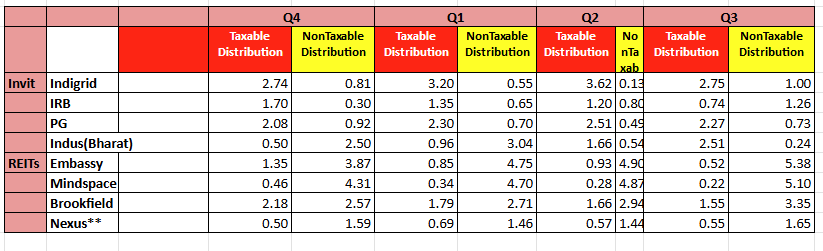
Here is the latest Yield calculations, if you have to buy the units as of closing prices today. It is the same running 4 qtrs based (3 quarters of this FY plus 1 Q from last FY, as of now)…I am also attaching the underlying calculation table of DPU…Qs/Comments are welcome, as always…
PS - Not claiming this to be perfect calculation. Taxation is a complex subject and hence do your due diligence,

11 Likes

How does Capital Infra, a newly listed INVIT compare on the table that you have attached. Thanks

They had just announced a DPU (today is the ex date)…there is not much data to put it here. There is no clarity whether there will be further DPUs in a quarter or will they go to once in 2 quarters…once, it settles down to a regular mode, I will add

@dd1474

Off topic but I think relevant, How do you compare Nexus Select Trust with Embassy? Leaving aside the valuation part, I see Nexus as holding dominant position in Retail Shopping malls in Metros / Tier 1 cities. I understand that Nexus performance is tied closely with state of the economy and consumption theme across top cities in India.

While Embassy is dominant REIT in Bangalore with stable demand from Corporate world, Nexus is a consumption theme in vibrant India.

With that background, Can you share your views on Nexus, and the risks that you see associated with it?

Amit

@Amit2saxena

My apology for reverting very late. I was out of station and just seen the message. While I am not expert, in my view, it depend on investor ojective and conviction. If one feel comfortable with office real esate space, which I believe would be more stable and relatively lesser growth (as compared with retail space), One can invest in office REIT (like Embassy, Mindspace and Brookfield). However, one view as retail space being proxy to consumption of Indian Consumer spent growth, then Nexus REIT (and other expected REIT which would be listed in time) would be good space.

In my personal understanding, Office REIT would be relatively stable as compared with Retail REIT, (although growth could be higher in Retail REIT). Since, it fit into my risk return profile currently, I have been invested in Embasy and Brookfield REIT. However, if one is willing to ride with volaitility then even Nexus REIT would be good to invest, subject to valuation and yield expectation.

Note: My view may be positively biased due to my investment. I have purchased Embassy REIT in last 60 days. I am not recommending any investment action. My record in forecasting is worst and have proven wrong mutilple time. I may exit my investment without informing forum. I am not SEBI registered advisor.

9 Likes

Sir what your view on PGINVIT? at current prices even the reduced payout of Rs 10 per year will give attractive post tax yields, plus it has an added trigger that PG may start to monetize vis iNVIT route if the GST issue gets resolved.

Invested in embassy.

1 Like

I have personally invested in Powergrid InvIT. However expect distribution to decline in next 2 year as indicated in valuation report cashflow. So suggestion would to adjust the decline in distribution in short term and consider the yield. In case management acquire new assets or change funding pattern, same may undergo change.

I Personally expect Rs 8-8.5 distribution during FY26 and FY27. My view may be wrong.

Disclosures: My view may be biased due to my investment. I have purchased Powegeid InViT in last 2 months. I am not SEBI reigstered invesment advisor. Investor shall do their own due diligence before investing. I may exit from invesment without informing forum.

9 Likes

@dd1474

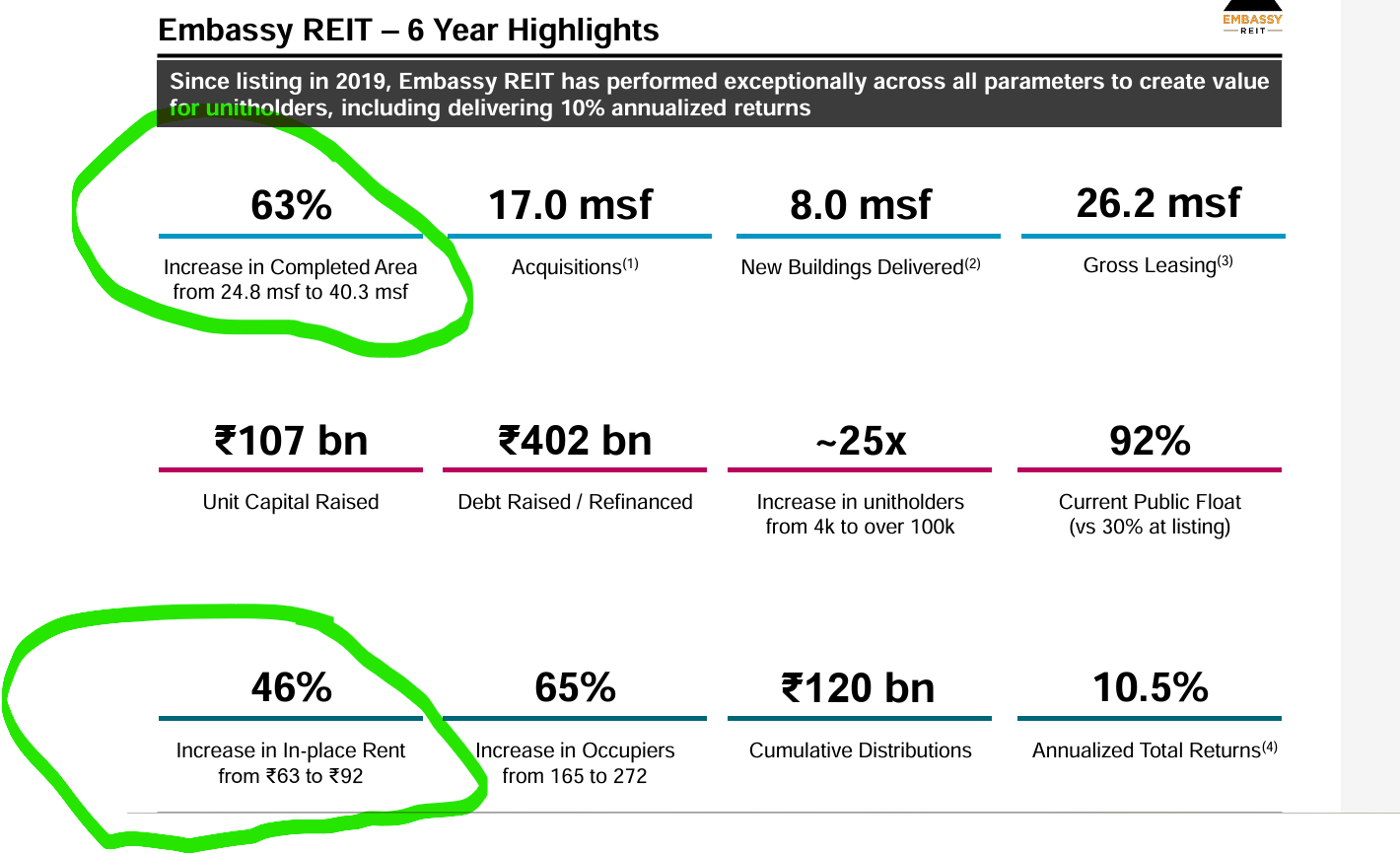
The below slide from Q4 FY25 Embassy REIT Presentation is quite confusing to me. Few hard facts from the slide include:

  1. Portfolio level rent escalation of 46% (from Rs 63 to Rs 92) in 6 years
  2. Increase in assets from 24.8m to 40.3m (46%) in 6 years

Despite the above facts, I find it difficult to understand why there won’t be any increase in distribution per unit in 6 years?

I understand that Increase in interest expense would be an offsetting factor and, maybe, increase in assets come from diluting equity, but what about 46% rent escalation over 6 years, why will it not convert to higher distribution?

Please share your views

Disclosure - Invested

2 Likes

Look at unit capital raised and debt raised. So dilution and servicing of debt has to be factored in

@Amit2saxena

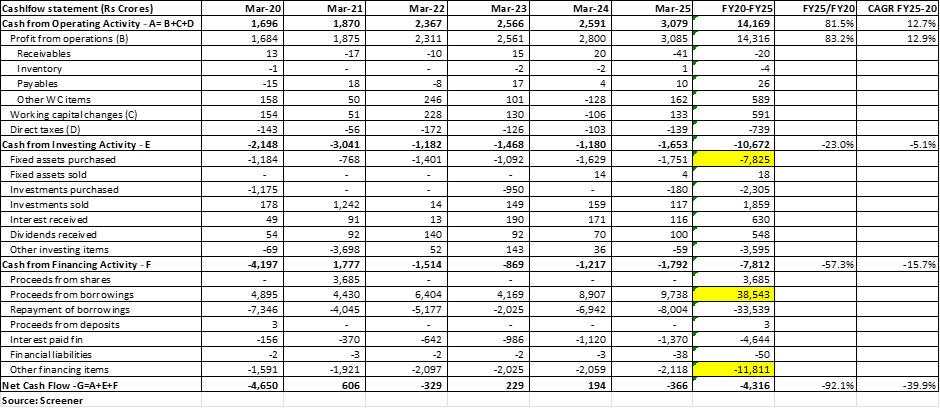
Thanks for raising interesting point. Even I was wondering about why distribution has not increased despite growth in area and rent in Embassy REIT. In order to understand the issue, I used Screener cashflow in Embassy REIT along with all subcategories and copy pasted in excel.

I have considered from FY20 to FY25 period, aggregated cashflow during period. I have added two more column, nominal growth during FY25 over FY20 period and CAGR growth during FY25 to FY20 period.

Find enclosed picture image of working.

As per above working, total profit from operation, grown by 83.2% in aggregate while at CAGR of 12.9% over last 5 years. If one add 46% growth in nominal rent and 63% in area growth, total would be ~110% as against 83% during 5 years. However, the addition in volume is not evenly spread and hence probably can be explanation of variance between 83% and 110%. Secondly, even interest rate growth (debenture issued initially issued were cumulative hence distribution were higher on cash basis in initially listing years, which subsequently replaced by normal interest bearing debentures) and cost elements also factored in change in operating cashflow from Operating revenue. Thirdly, relatively higher growth lower margin Hotel business in overall revenue could have also resulted in lower growth in Profit from operation viz Revenue growth in last 6 years.

Second point, over 6 years, the company added Rs 7,825 crore worth fixed assets (new buildings mainly) which were financed partially from equity (new issue of units Rs 3,685 cr) and Balance ~3,600 cr from internal cashflow/new debt.

Third point, as compared with slide figure Rs 40,200 Cr debt refinanced, screener cashflow indicate total borrowing Rs 38,500 Cr (after refinance of Rs 33,500), giving net addition of ~ Rs 5,000 Cr. The difference in 38,500 Cr and Rs 40,200 Cr partially could be because Embassy may be financed cumulative interest on past debenture. While I do not have correct figures, I assume that would broadly explain the difference of Rs 1700 Cr.

Last, Rs 12,000 Cr being cumulative distribution of Embassy REIT, as against Rs 11,800 Cr Other financing items as shown in working which broadly in comparable and variance is marginal to comment upon.

Another apporach to get better perspective would be to add NCDF over six years and look at each elements and get insight. However, it would mean extracting figures annual results and aggregating the data. I found cashflow approach relatively simpler for me. Any members have any view/insight on above table or own working, please feel free to put on message board.

Disclaimer:
I am not an account expert and my understanding may be incorrect. My view may be biased due to my investment. Hence, reader shall do their own due diligence before making any investment. I am not SEBI registered advisor. I am not recommending any investment in the REIT.

5 Likes

Lovely thread on REITs
Since this thread is 4+ years old and by the time, we have a hang of the returns and dividend yield generated from all the REITs (Embassy, Brookfield, Mindspace and Nexus).
Can someone please post the performance here ? Can it be looked at as a low risk 10% CAGR investment?

3 Likes

@dd1474 actually i had one doubt in this workings as i know embassy tech village deal which happened in 20-21 was done for 9800 crs one acquisition.

so asset acquisition number doesnt tie out.

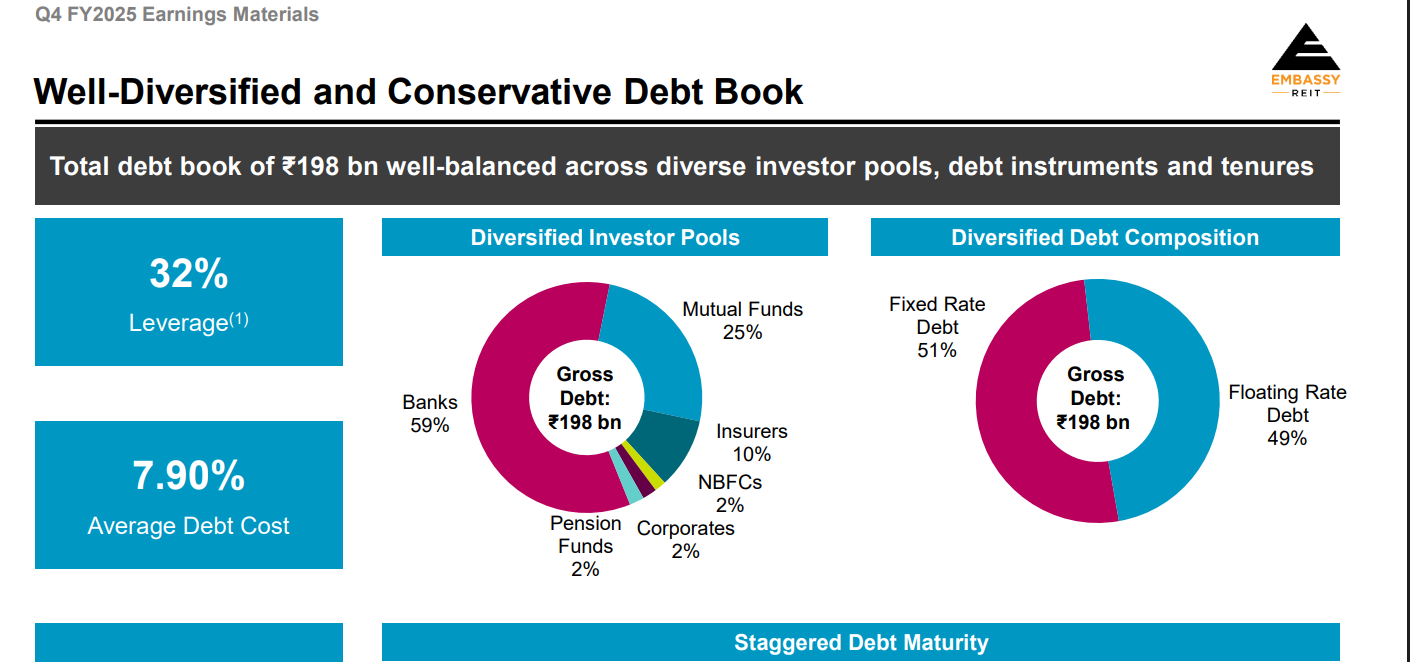
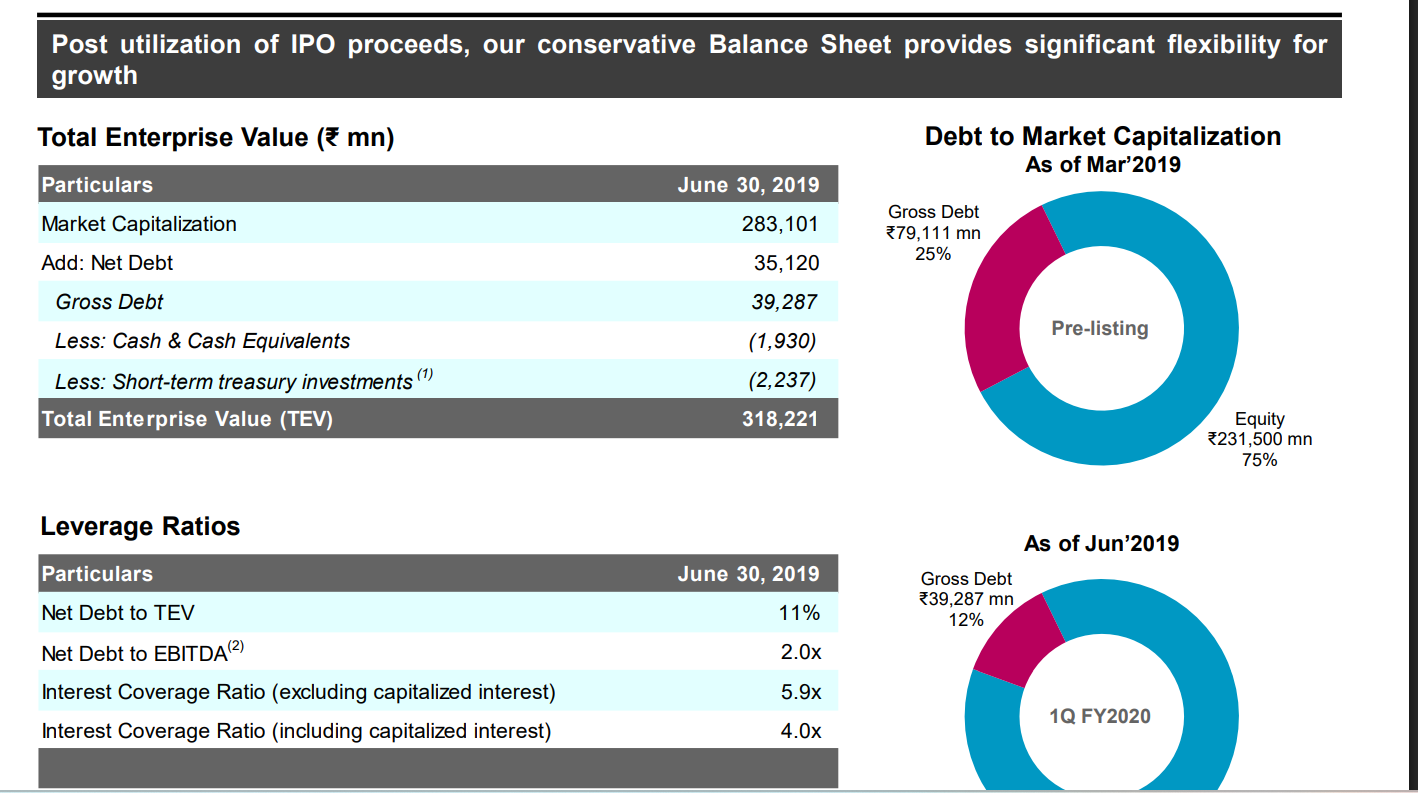
As per my analysis i think the main reason for not increasing Net distributions in mainly due to one as highlited by you zero coupon bonds , increase in interest rates during russia ukraine war and also they have done a lot of debt fueled acquisitions (net debt to GAV has gone up from 11% to 32%)


i feel these reits should operate in steady state without debt similar to small reits that are getting listed as its easier to understand their performance. With so many acquisitions with debt / increase in units its very difficult to track their performance.

2 Likes

@Manojreddym
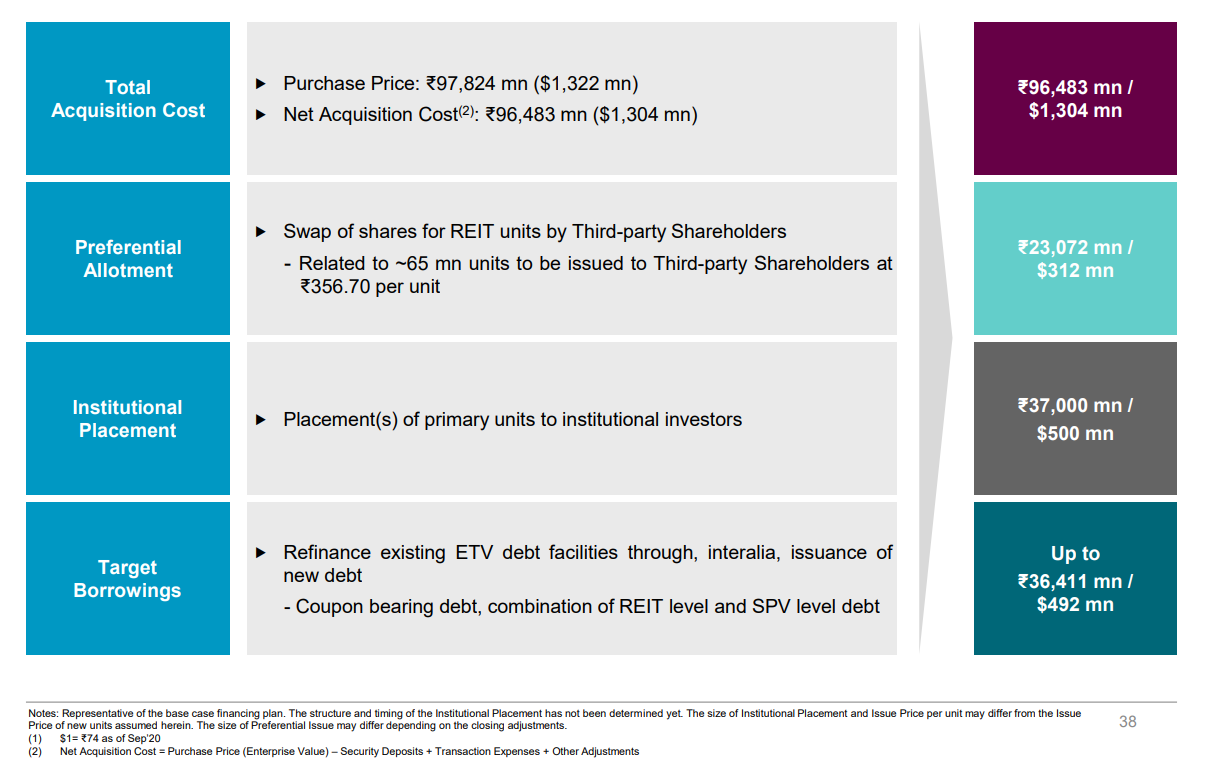
Very valid point about Acquiisition of Rs 9,800 Cr being not excactly reflected in cashflow statement. Your query lead for working from my side. I did check FY2021 presentation about acquisition. Find enclosed sceenshot of presentation related to acquisition of Embassy Tech Village in November 2020, slide 38:


If we consider FY21 Consolidated cashflow statement, we can match two items, i.e. Rs 3,685 Cr from issued of proceeds of new share and Rs 4,430 Cr proceeds from Borrowing (not considering repayment Rs 4045 Cr during FY21). The gross borrowing of Rs 4,430 Cr, we can assume also include ~Rs 3,600 Cr refinancing of debt for Embassy Tech village in Slide. Now coming to third part.
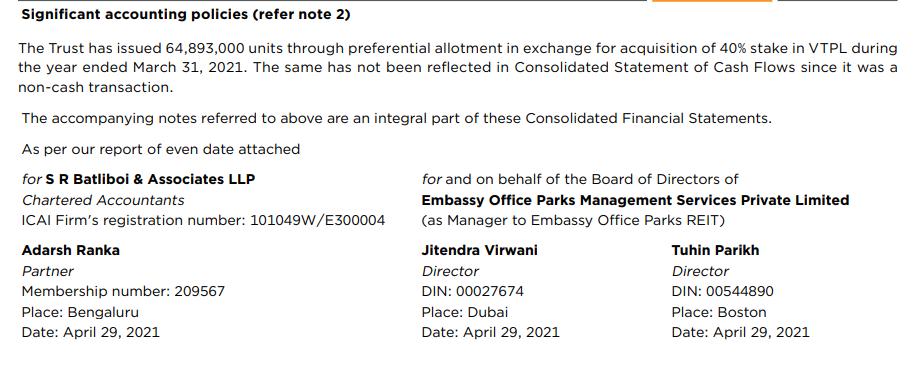
Refer to page 227 of PDF file of Annual report FY2021. It has following note to consolidated financial statement.
.
So ~ Rs 2,300 cr worth of new units issued as share swapped are not included in cashflow statement. Hope this clarify the issue. Do let me know in case I have missed anything.

Please note that I am not qualified accountant and my understanding may be wrong.

Dislcosure: Invested in Embassy REIT. My view may be biased. I am not recommending any investment action. I am not SEBI registered investment advisor. I may increase/decrease or exit from my investment holding without informing forum.

4 Likes