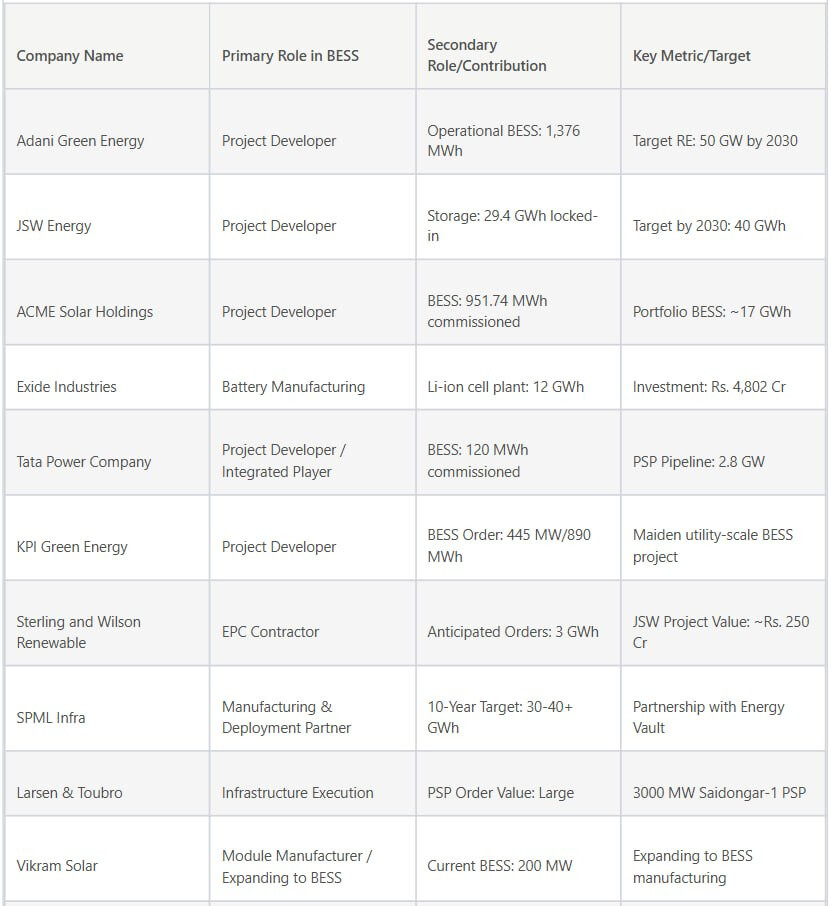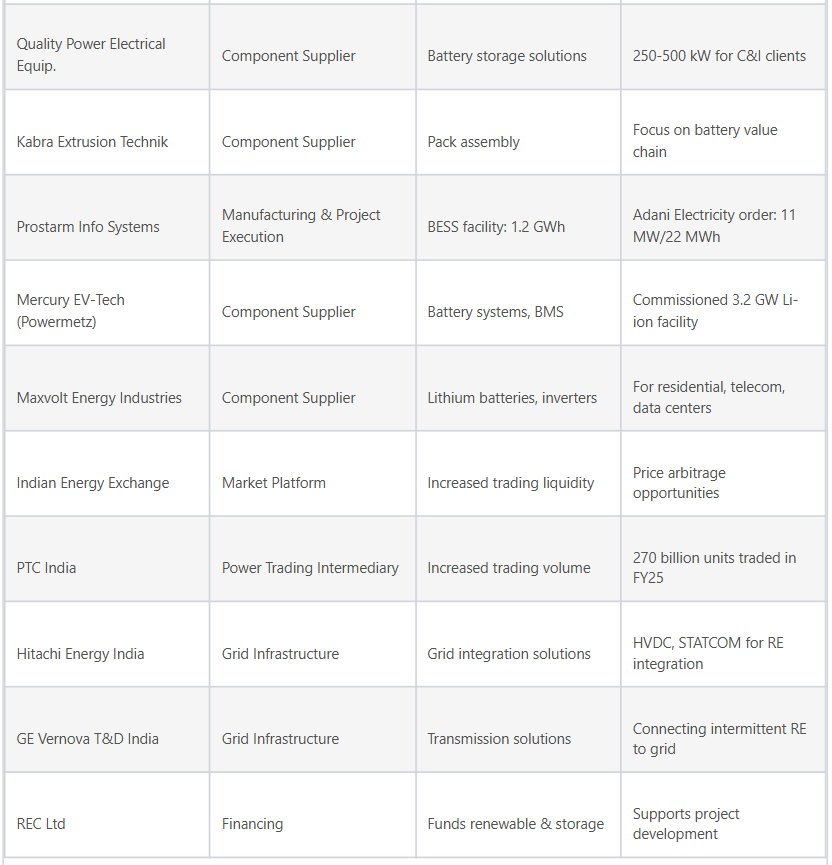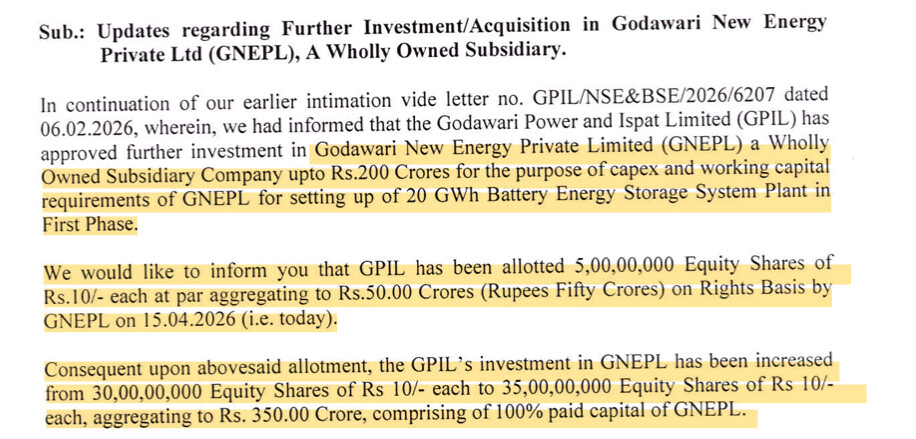
India’s renewable energy (RE) tendering is shifting from high-volume, fixed targets (73 GW in 2024) to a focus on Round-the-Clock (RTC) supply, Firm and Dispatchable Renewable Energy (FDRE), and storage-integrated projects. While 2024 set records, 2025 has seen a slowdown in new tender volumes due to unsold capacity.
Key Tendering Trends in India (2025-2026):
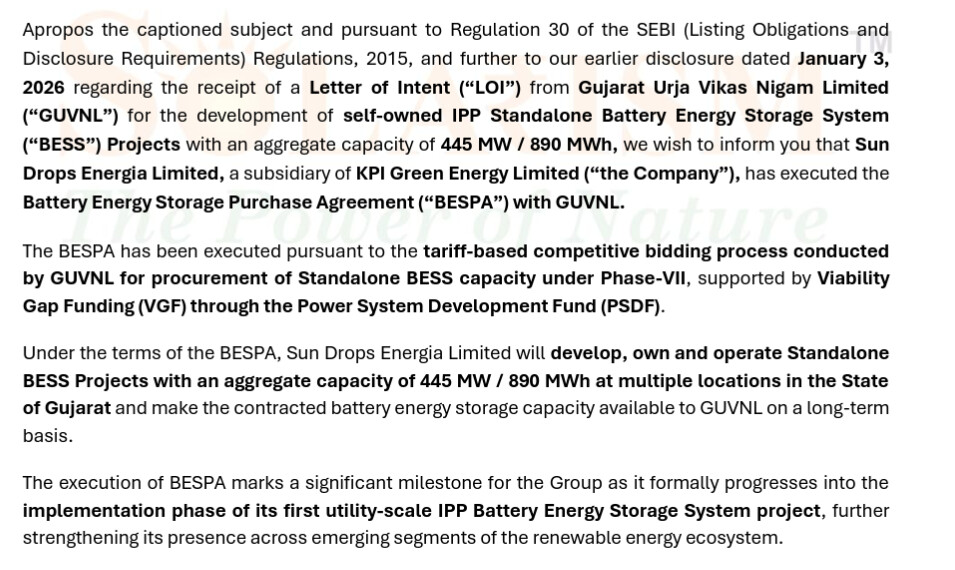
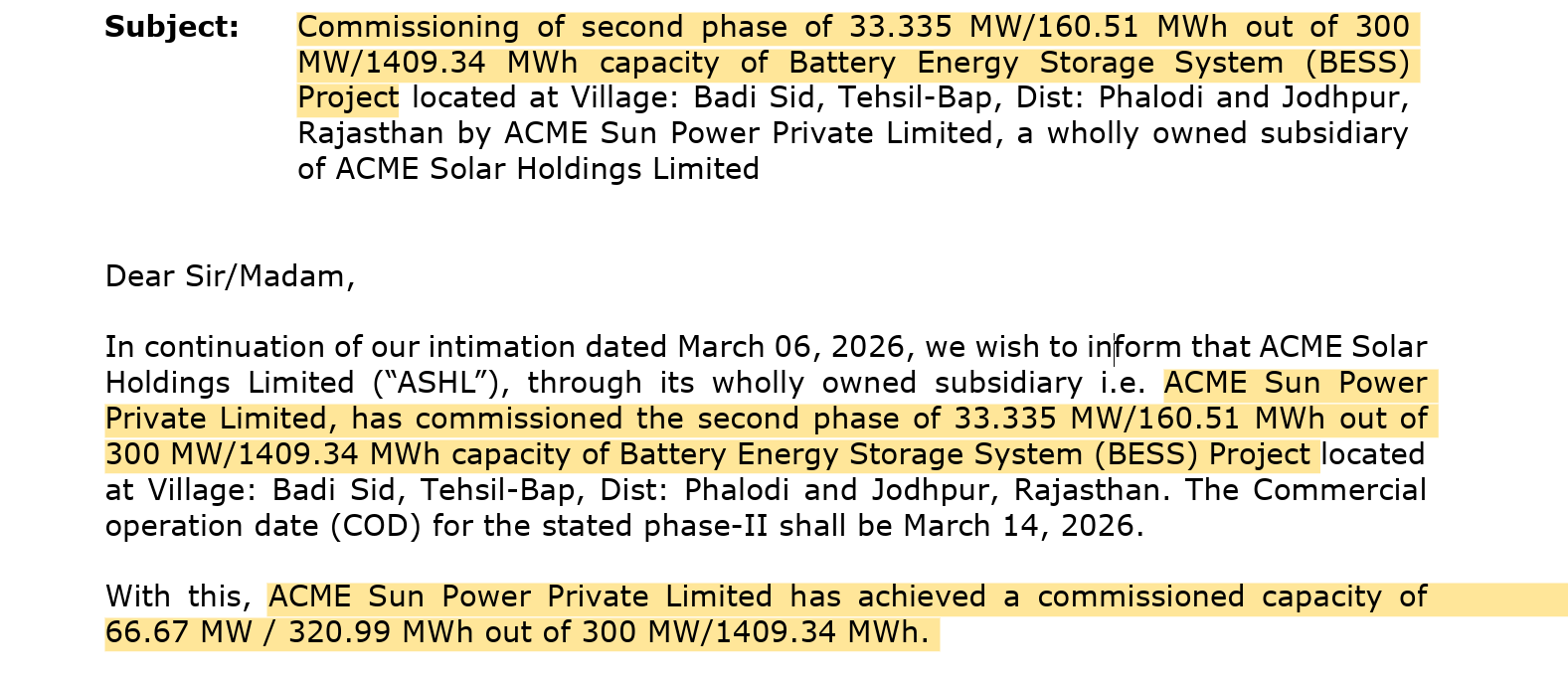
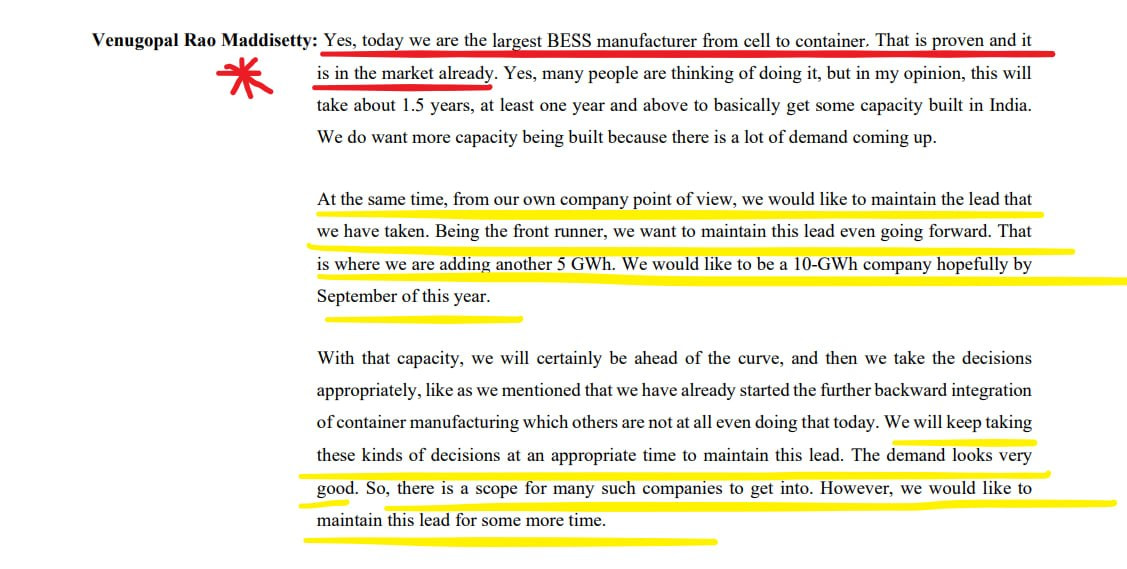
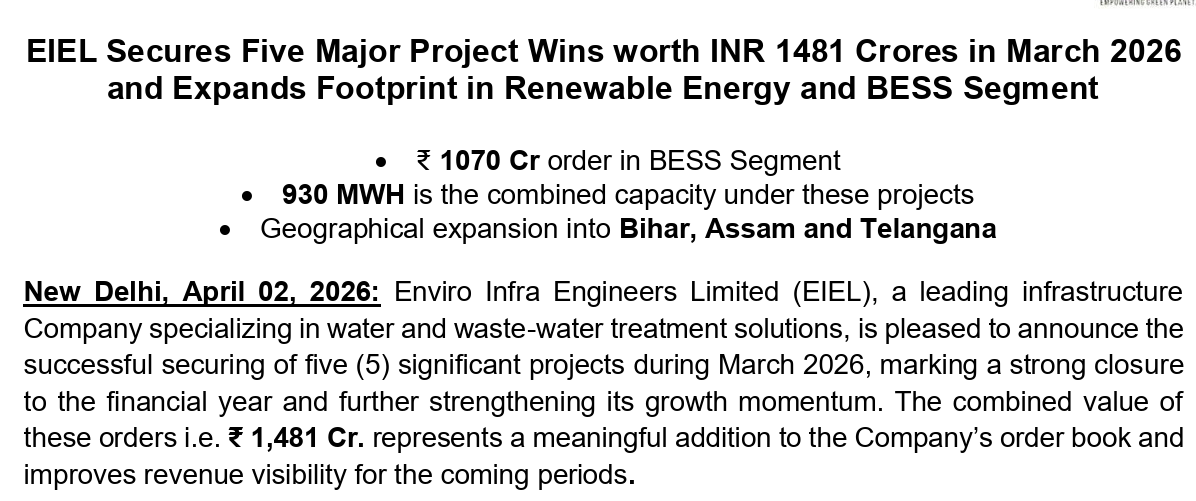
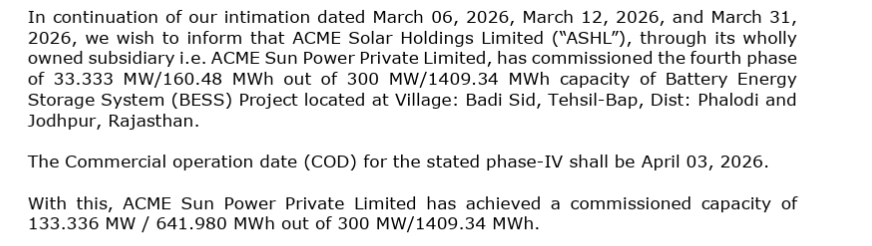
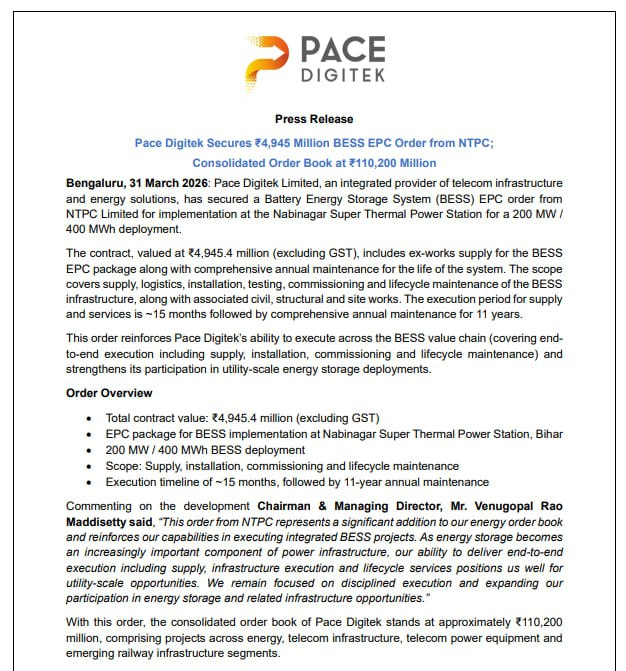
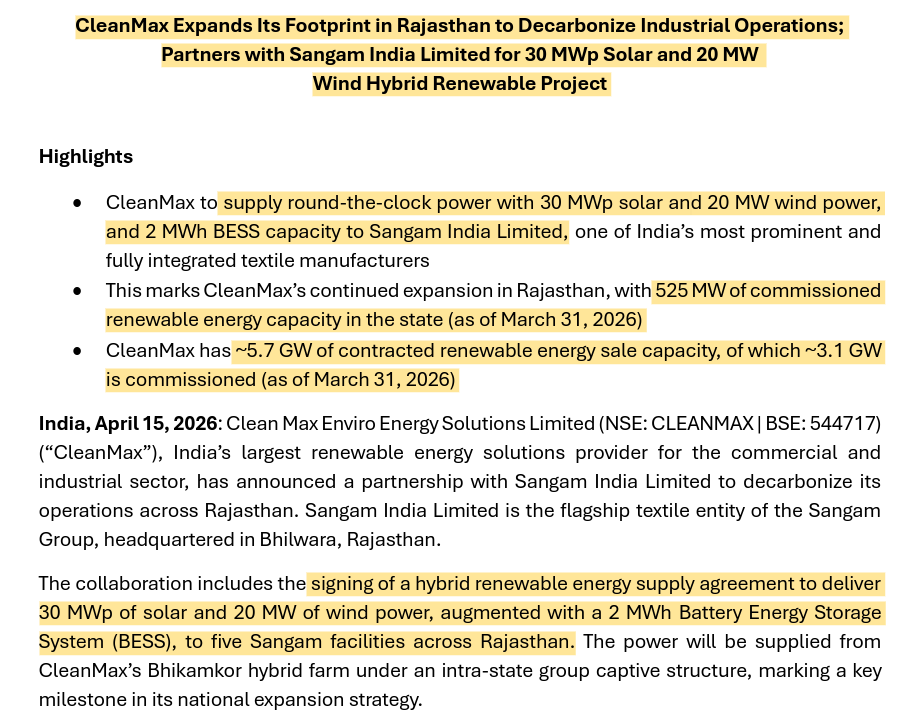
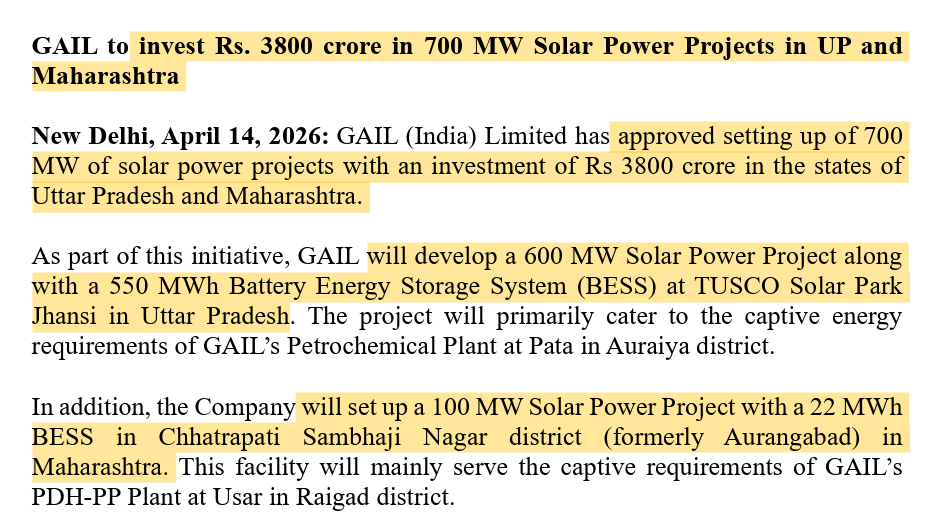
Focus on Hybrid & Storage: Tenders are increasingly demanding RTC and FDRE to ensure 24/7 power availability, using Battery Energy Storage Systems (BESS). Solar integrated with storage projects.
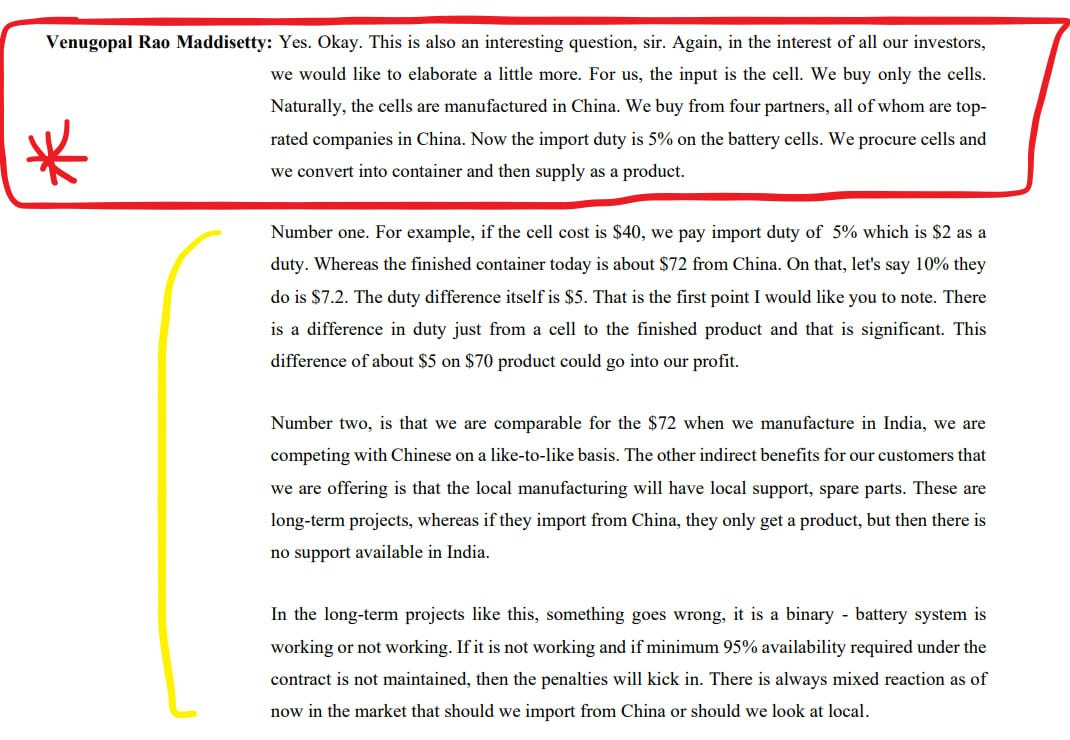
Declining Storage Tariffs: Tariffs for renewables with storage dropped by 9% in Q3 2025, driven by falling battery costs, making storage-backed projects more competitive.
Capacity Crunch & Slowdown: Over 42 GW of tendered capacity is currently without buyers (unsigned Power Supply Agreements - PSAs) as of late 2025, causing a slowdown in new tender activity in early 2025.
Shift in Strategy: The government is moving away from rigid annual tender targets, planning to issue tenders based on actual demand from state utilities rather than a fixed 50 GW goal.
Key terms
•BESS (Battery Energy Storage System): Uses batteries (typically lithium-ion) to store electricity and discharge it when needed. It is known for near-instantaneous response times, making it ideal for frequency regulation and peak load shaving.
•PHS (Pumped Hydro Storage): A form of energy storage that uses two water reservoirs at different elevations. During surplus energy, water is pumped to the higher reservoir; during peak demand, it is released through turbines to generate power. It is currently the most widely used large-scale storage solution in India
Project & Tender Models (Application)
These define how technologies are combined and the contractual obligations for power delivery.
-
Hybrid: A project that combines two or more renewable sources, such as solar and wind, at a single location. The goal is to increase the Capacity Utilization Factor (CUF) by leveraging complementary generation profiles (e.g., solar during the day, wind at night).
-
RTC (Round-the-Clock): A tender model that requires developers to provide a continuous, guaranteed supply of power 24/7. To meet these strict availability requirements, developers must integrate storage (BESS or PHS) or bundle renewable energy with thermal power.
-
FDRE (Firm and Dispatchable Renewable Energy): A newer, demand-profile-driven tender designed to match the specific consumption patterns of distribution companies (DISCOMs). Unlike RTC, which aims for a flat 24/7 supply, FDRE requires “firm” delivery during specified hours (like evening peaks) to mimic the reliability of traditional coal plants.
Key Differences
| Feature | Hybrid | RTC | FDRE |
|---|---|---|---|
| Primary Goal | Maximize infrastructure use | Continuous 24/7 power | Firm power matching demand |
| Storage Role | Optional | Essential (BESS/PHS) | Essential (BESS/PHS) |
| Flexibility | High (Supply-driven) | Low (Constant supply) | High (Demand-driven) |
| Typical CUF | 35% - 50% | ~80% | High (80%+) |
Would you like to compare the latest tariff rates discovered in recent auctions for these different project types?
FDRE/RTC Tariffs have risen to ₹5.00 – ₹5.07/kWh , approaching new thermal power costs.
Solar + BESS Tariffs have been discovered at ~₹3.53/kWh , offering a 30% cost saving while effectively solving the DISCOMs’ most pressing problem: evening peak deficits.
While RTC and FDRE define the contractual requirement, BESS defines the physical solution for achieving 24/7, flexible, green power.
The cost factor is the only reason ehy DISCOMs are Not Signing FDRE and RTC PPAs and opting for standalone Solar - BESS
So RTC & FDRE projects have strong competition from stand alone Solar plus BESS, which Discom’s are opting for.
Discl. For educational purpose only