CMP - 309
MCAP - 488 Crore
PE - 6.4
EV/EBITDA - 5
Disclosure - Neither I nor my family holds any share or interest in this company
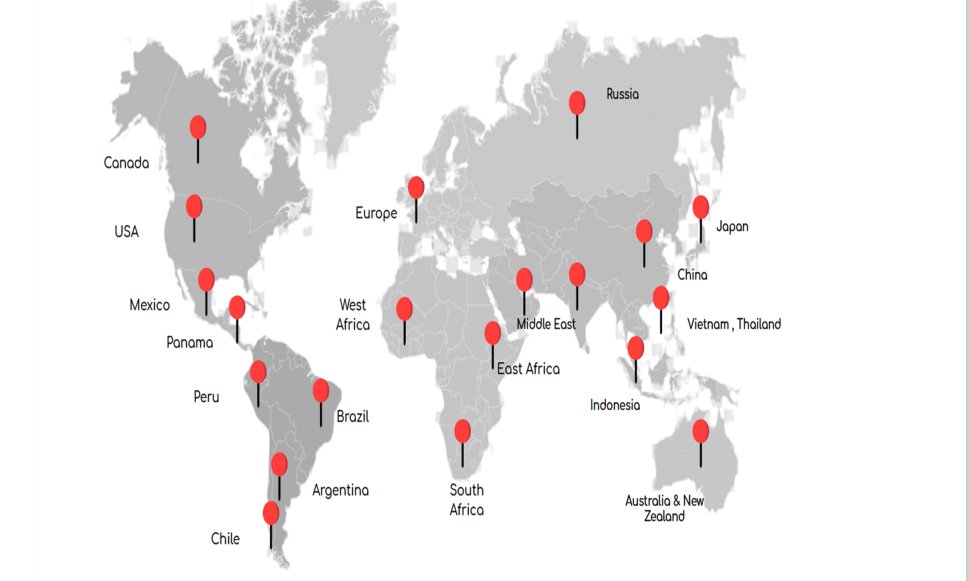
SJLL is a Multimodal Transport Operator providing Logistics and Supply Chain solutions including Project Cargo, Ocean & Air Freight Forwarding, Customs Clearance, Inland Transportation Warehousing, Door Delivery & NVOCC across South America, Europe, Gulf & South East Asia. The company is a member of agency networks like ALN Network, America Alliance & PPL.
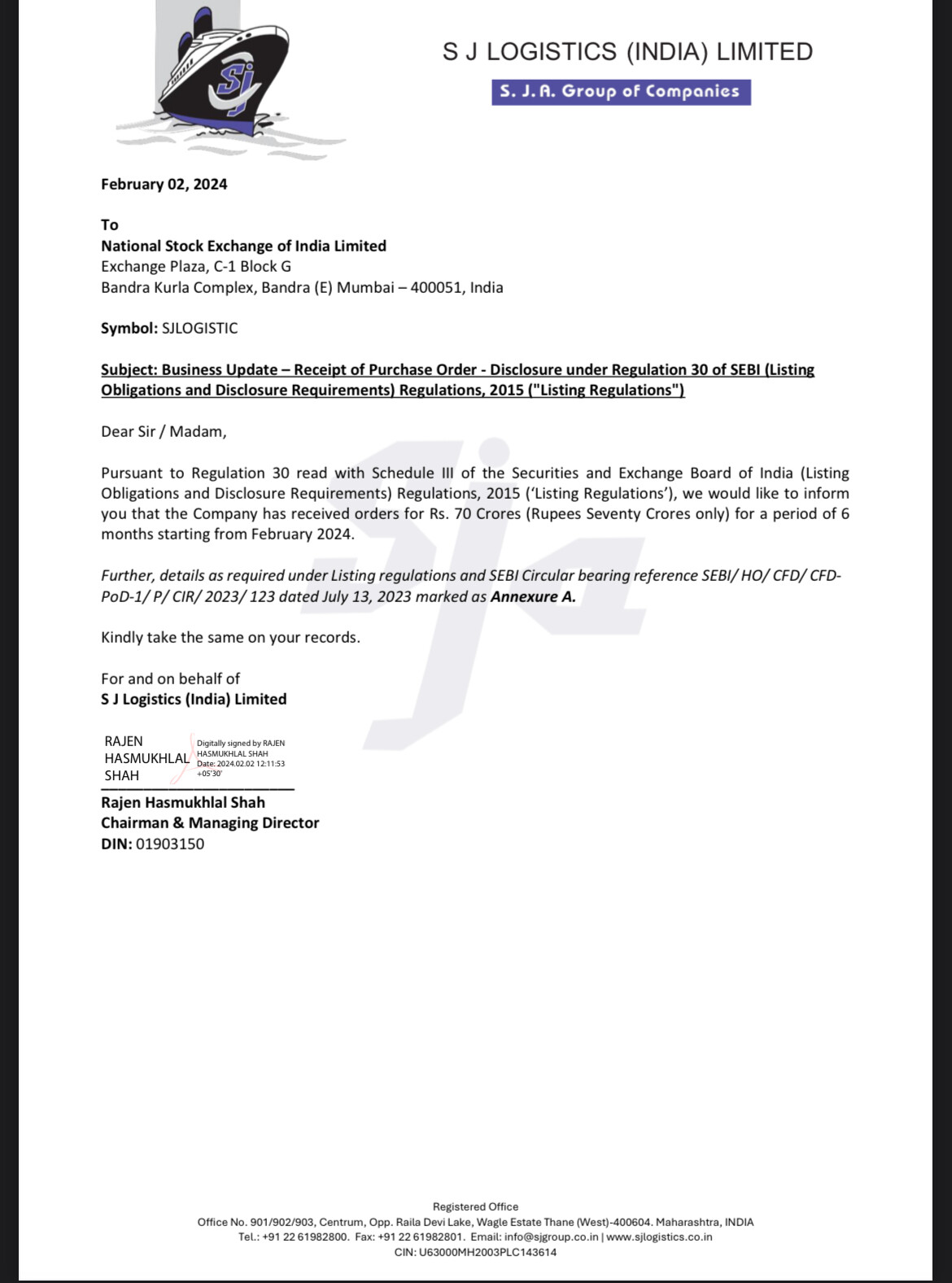
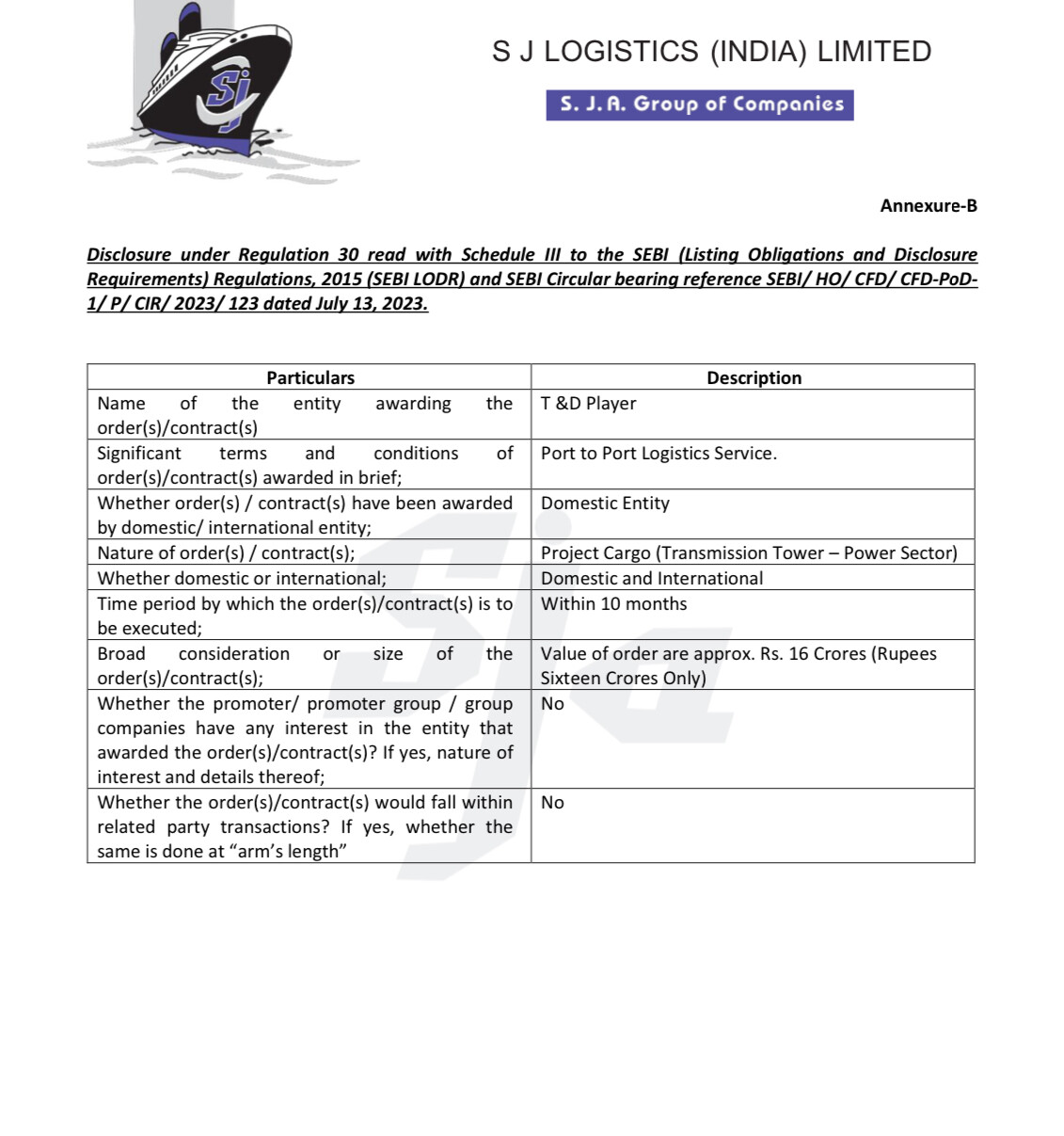
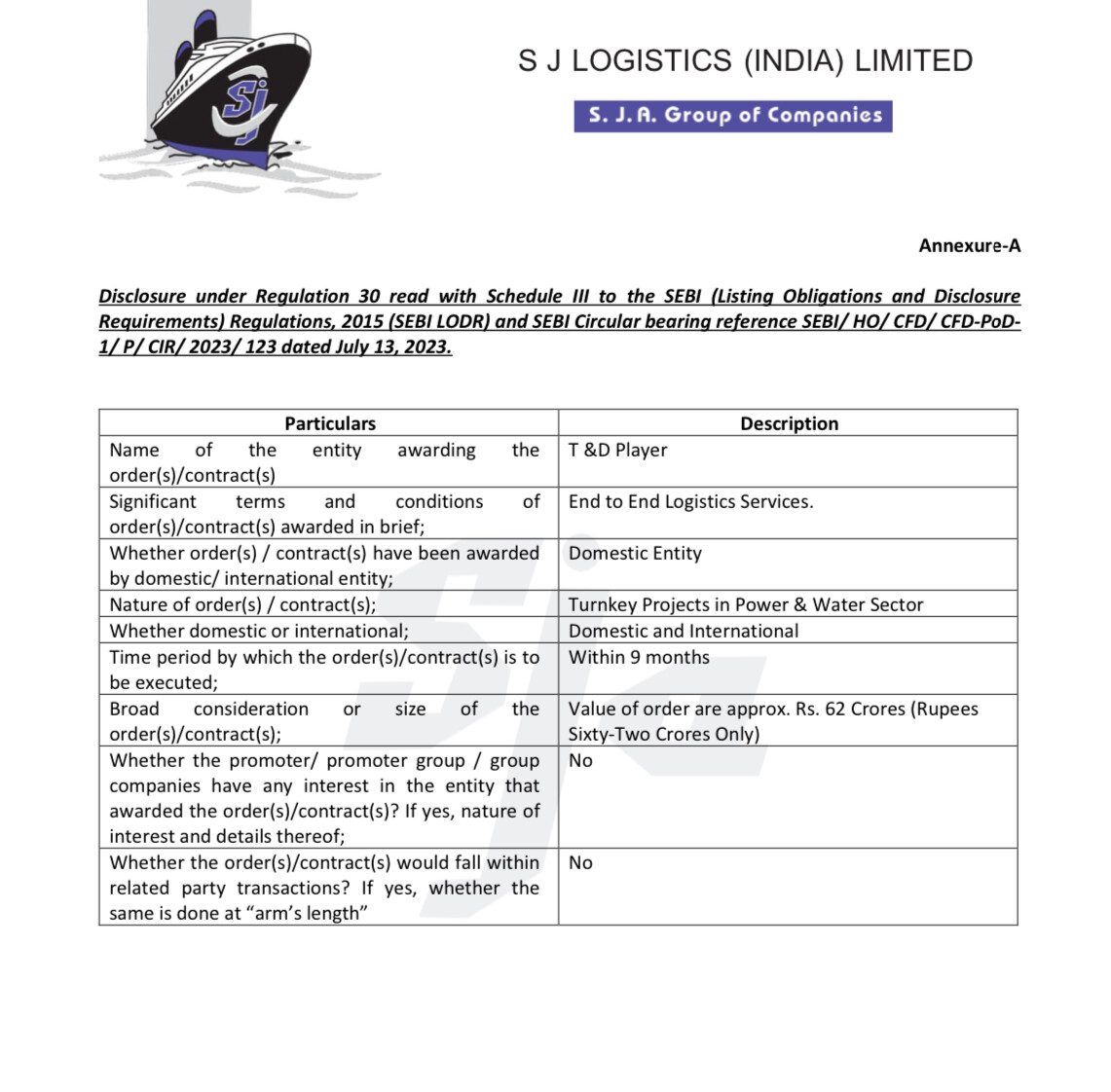
New Segment
S J Logistics (India) Limited has commenced direct vessel operations through “S J Logisol Shipping LLC, Dubai”, marking a strategic forward integration from freight forwarding and NVOCC into vessel operations. The company is operating scheduled services by chartering vessels on fixed routes (Kandla–Middle East–Mediterranean), with its maiden “Swiss Express Service” running from Kandla → Jebel Ali → Jeddah → Alexandria, along with onward connectivity to Russia, Turkey, and Libya. It primarily utilizes cargo generated from its existing freight forwarding and NVOCC businesses, deploys owned/leased containers, and monetizes remaining capacity by selling slots to other operators, while relying on port tie-ups for further cargo movement creating a controlled, multi-layer logistics model across cargo, containers, and vessel capacity. The company has adopted a conservative approach by deploying smaller vessels (1,100 TEU), with effective capacity of 700 TEUs considering heavy cargo.
The company’s new business segment is being undertaken through a joint venture with Nexus Line Freight, enabling it to leverage the combined network, relationships, and operational strengths of both parties.Fleet in Operation: The company operates chartered container vessels (deploying up to 4 chartered vessels on dedicated trade rotations connecting India, the Gulf/Middle East, the Red Sea, Mediterranean, and Africa) rather than maintaining an owned fleet.( This deployment of vessel started in dec 2025, so in fy26, only few months revenue and that too of few vessel was accounted, margin in this business are slightly better than existing business)
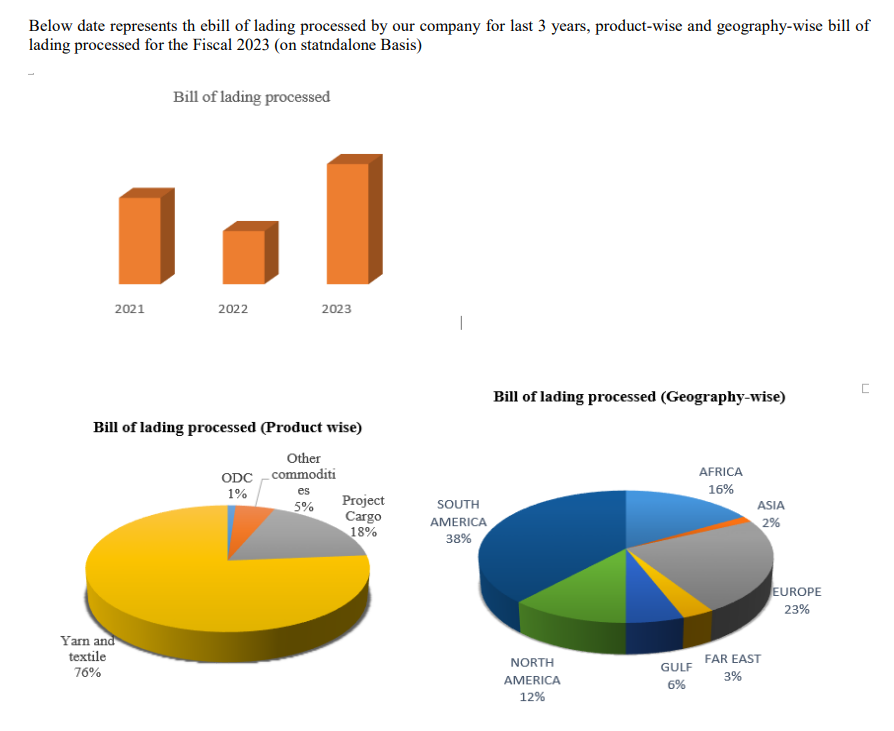
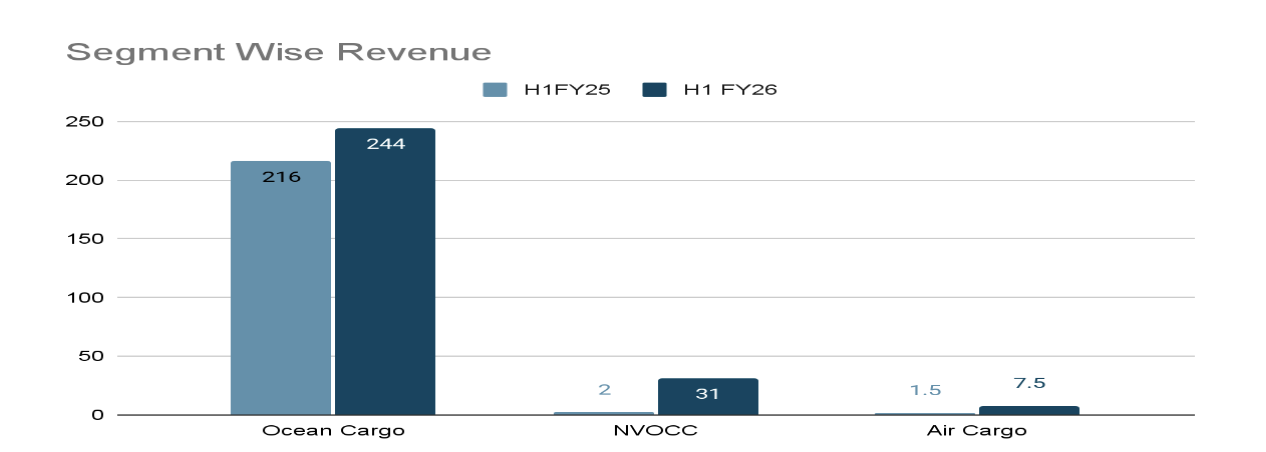
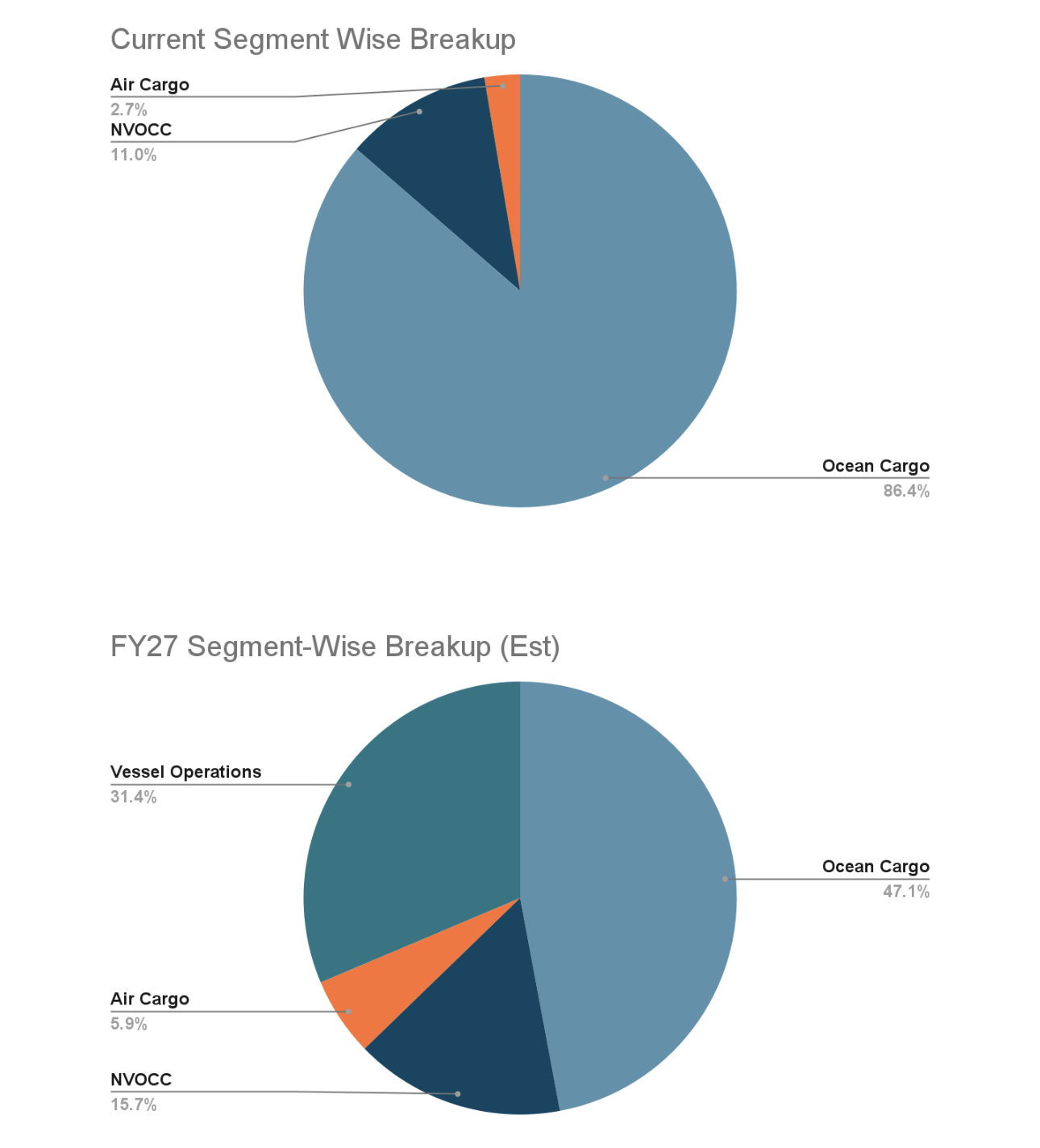
Segment Wise Breakup
The jump in NVOCC happened because the company expanded its network across key international trade corridors and gained strong customer traction, leading to a sharp increase in volumes.
Explanation of Business Terms
Ocean Cargo - Ocean cargo includes freight forwarding* services and the transportation of over-dimensional cargo (ODC), where oversized goods such as wind turbines are handled, along with door-to-door delivery including last-mile transportation services.
NVOCC - NVOCC (Non-Vessel Operating Common Carrier) is a business segment within logistics where operators act as carriers without owning vessels, procuring cargo space in bulk from shipping lines such as Maersk and reselling it to multiple small and mid-sized exporters. They also handle consolidation, documentation, and issue their own Bill of Lading, effectively bridging the gap between large shipping lines and fragmented customers.
*Freight Forwarding - Freight forwarding is the service of organizing and managing the shipment of goods from one place to another on behalf of a shipper. The freight forwarder does not usually own ships or trucks, but coordinates transport, documentation, customs clearance, and delivery through different carriers.
**Breakup-of Goods being Exported
Within Ocean Cargo (H1 FY26):**
-
Yarn & yarn commodities: ₹106.62 cr, +0.63% YoY (stable, low growth).
-
ODC / tyre / project cargo: ₹126.6 cr, +40% YoY (key acceleration).
-
Other commodities: ₹10.26 cr.
-
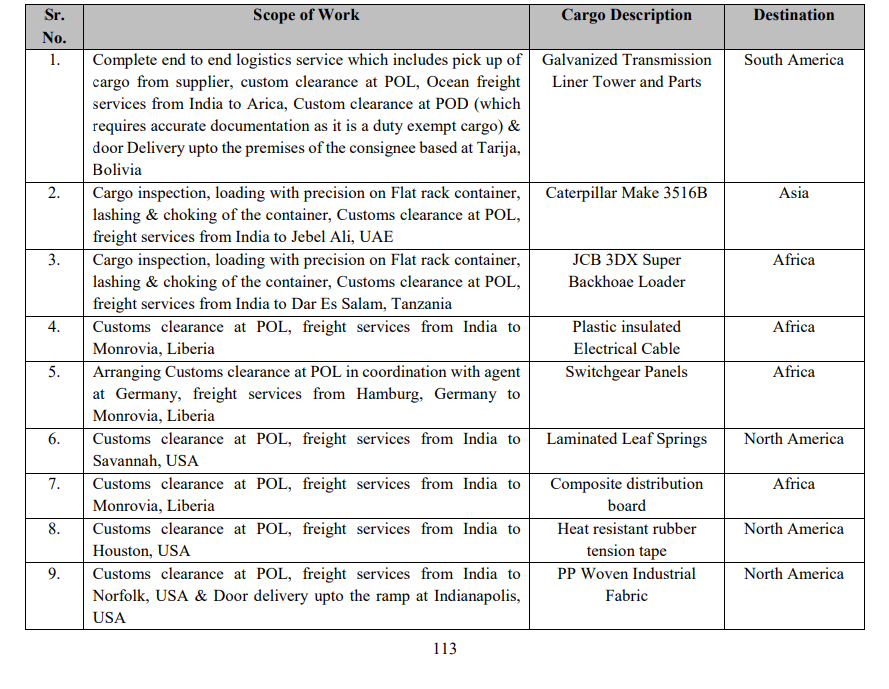
Geography: strong activity in Africa and Latin America, particularly transmission tower and earth-moving equipment moves.
Industry Updates
India’s port ranking improved from 54th in 2014 to 38th in 2023, with 9 Indian ports now in the global top 100.
Cargo handling capacity at major ports increased by 87% from 2014–15 to 2023–24 Vajiram and Ravi, largely driven by the Sagarmala project.
India’s logistics sector is worth ₹13–16 lakh crore (~$160–200B) and is one of the fastest-growing in the world.
Logistics costs are 13–14% of GDP, far higher than developed nations (8–9%), meaning massive room for efficiency gains
Government is investing heavily via GatiShakti, Bharatmala, Sagarmala — building highways, freight corridors, and ports
National Infrastructure Pipeline alone has $650B allocated
80% of the sector is unorganized. Fragmentation, poor multimodal integration, and high dwell times at ports are the core inefficiencies. This is precisely why organized, tech-enabled players have a massive edge
India’s share in world merchandise exports also improved from 1.66% to 1.81%, with India advancing in global rankings from 20th to 17th position.
90% of Trade volume moves through ports and 70% trade value moves through ports.
H1 FY26 VS FY 27 Estimated Segment Wise Breakup
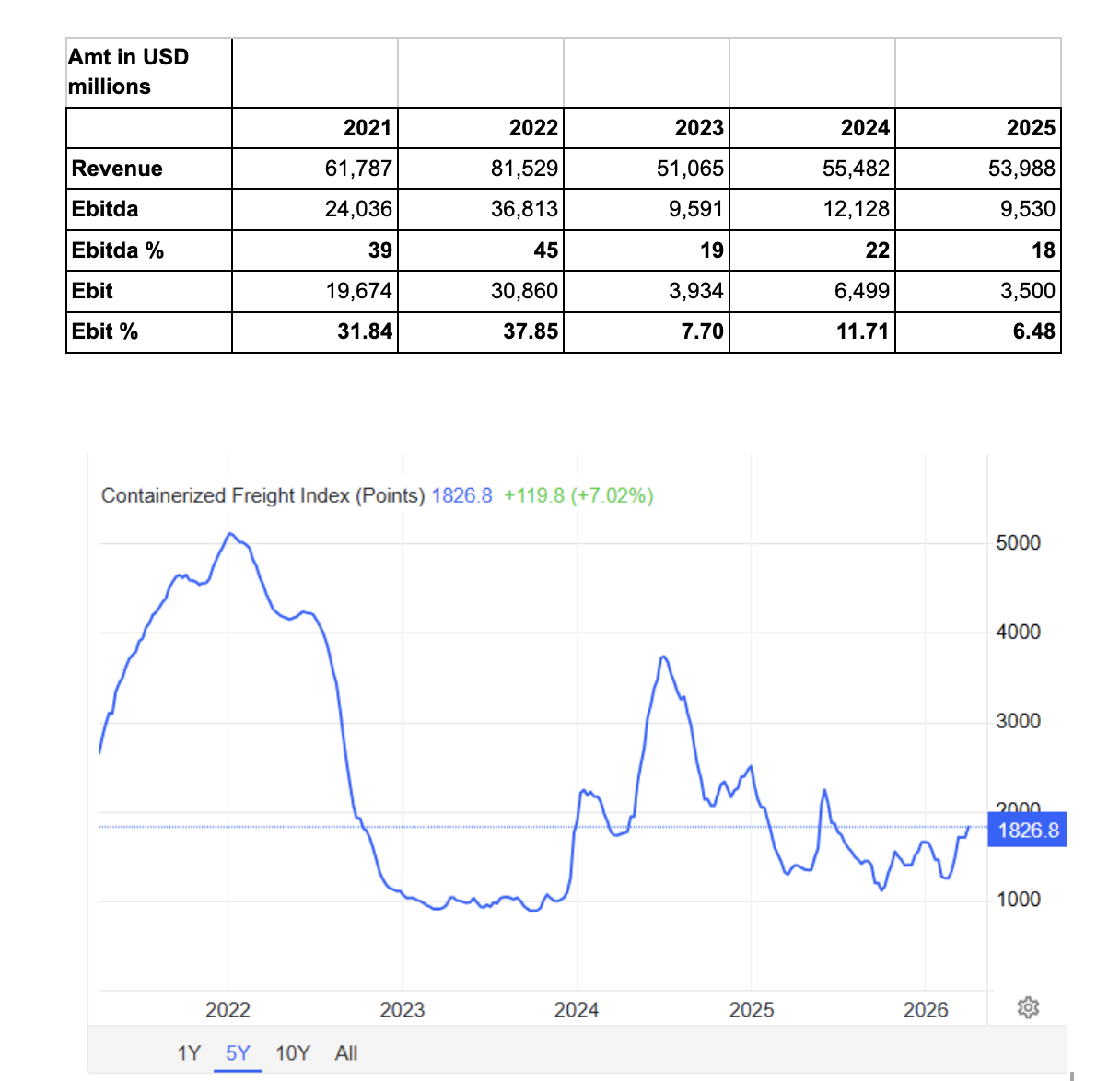
Maersk’s Financials (Just for explanation)
Maersk is one of the world’s largest shipping companies, operating vessels while using a mix of owned ships and containers along with leased containers to efficiently run its global logistics operations.
As seen with A.P. Moller - Maersk, revenue and margins are highly dependent on global freight rate indices, when rates rise (as in 2021), profitability surges, and when they fall, both revenue and margins decline, making earnings largely market-driven and difficult to predict.
What Maersk’s Financial tell us about future of SJ Logistics?
Maersk’s financial performance suggests how strongly shipping companies’ revenues and margins are tied to freight rates and broader market conditions. Similarly, for SJ Logistics, its traditional business has been driven mainly by its network, where it earns fees as an agent through a fixed charge or percentage-based model for providing services.
However, with the expansion into shipping-related activities, the business dynamics will change. A larger portion of revenue and profitability will now depend on external market factors such as freight rate indices and shipping cycles, while network strength will continue to play a key role in vessel and container utilization.
Promoters and Succession
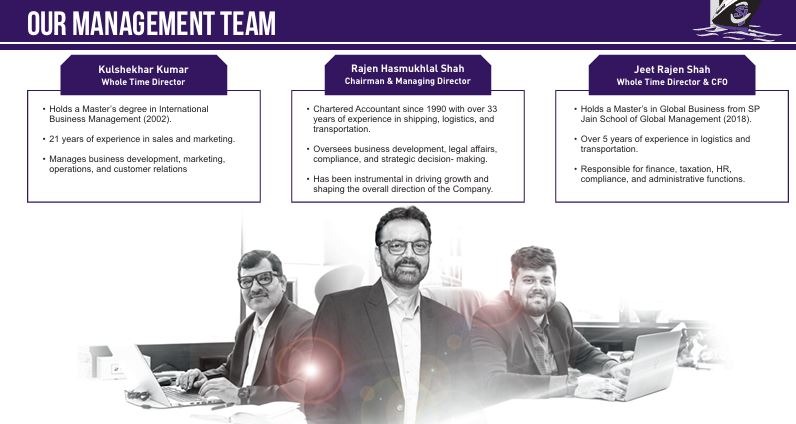
The company is led by experienced professionals like Rajen Shah, a Chartered Accountant with over three decades of experience in the logistics industry, while his son Jeet Shah, already a Whole-Time Director with around five years of experience, has also joined the business ensuring a smooth and well-planned leadership transition in the future.
Competitive Landscape
SJ Logistics does not have any direct listed pure-play competitors, but the entry of large players like Adani Ports into freight forwarding in May 2025 has introduced competitive pressure in the space. However, given the size of the overall logistics and freight forwarding market, the long-term growth opportunity remains significant. With its move into vessel operations, the company is clearly diversifying its business model, which should support stronger and more scalable growth going forward. This also reflects management’s proactive and aggressive approach, as the company quickly responded to new competition by expanding its service scope to secure future growth potential.
Some companies like Transworld Shipping earlier operated in this space but have largely moved to a leasing-based model for their vessels. Mahindra Logistics is also present in freight forwarding, but it contributes only a small portion of overall revenues—around 4–5%, which is still significant in absolute terms (about ₹300 crore). However, since it is a non-core segment for them, the company expects only modest growth of around 4–5% CAGR over the next five years, as indicated in recent investor presentations.
Shipping Corporation of India owns and operates a large fleet of vessels, and in addition also provides vessel management services for other entities such as ONGC. However, its primary strategic focus at present is on energy transportation, which remains its core business area.
New Announcement by Government
The Government of India has announced the formation of a new container shipping company called Bharat Container Shipping Line (BCSL), with Container Corporation of India (CONCOR) and Shipping Corporation of India (SCI) as key partners. A Memorandum of Understanding (MoU) was signed on 3 February 2026 among CONCOR, SCI and other port authorities to establish this joint venture.
Under the government’s plan, the new line intends to acquire, own, lease and operate container vessels, with the aim of operating around 51 vessels over the next five years as part of the phased rollout.
This is a credible medium-term competitive development rather than an immediate disruption. By around 2027, the plan is expected to involve ordering ~17 ships as part of a phased rollout, so actual capacity addition will likely take another 1.5–2 years to fully materialize.
However, the key uncertainty remains the route deployment strategy, which has not yet been clearly disclosed, and that will ultimately determine how much overlap there is with existing operators’ lanes.
That said, it cannot be ignored, as it represents a meaningful structural capacity addition in India’s container shipping ecosystem over the coming years, which could gradually reshape competitive dynamics once the fleet becomes operational.
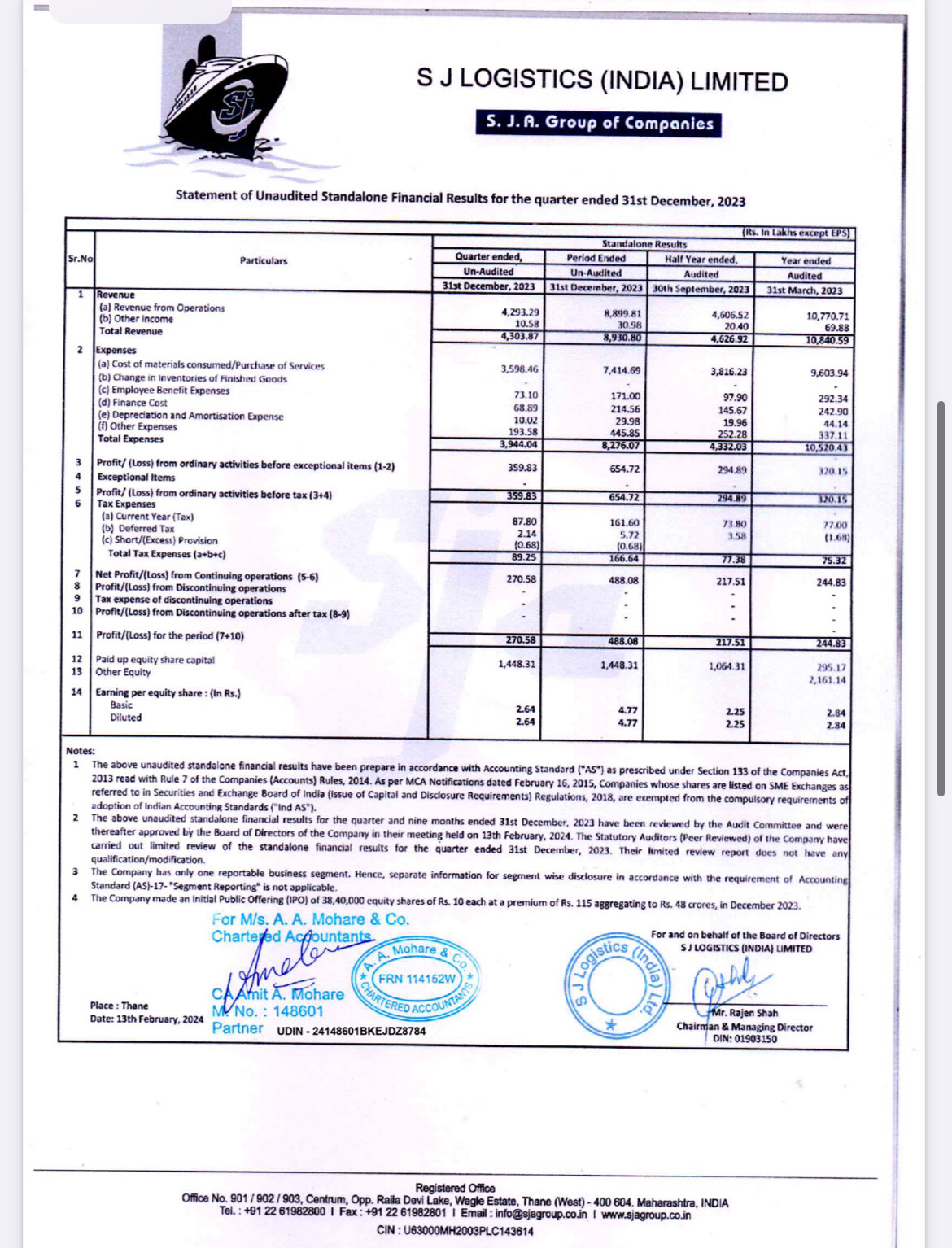
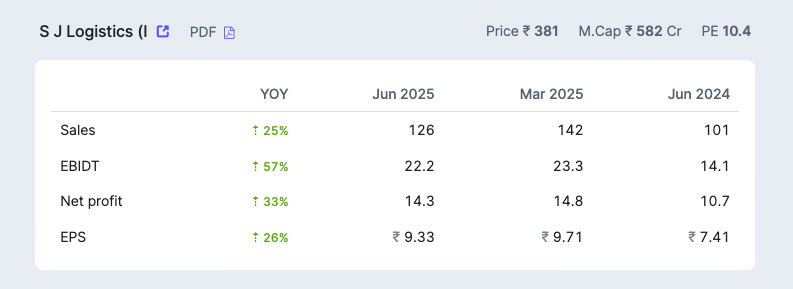
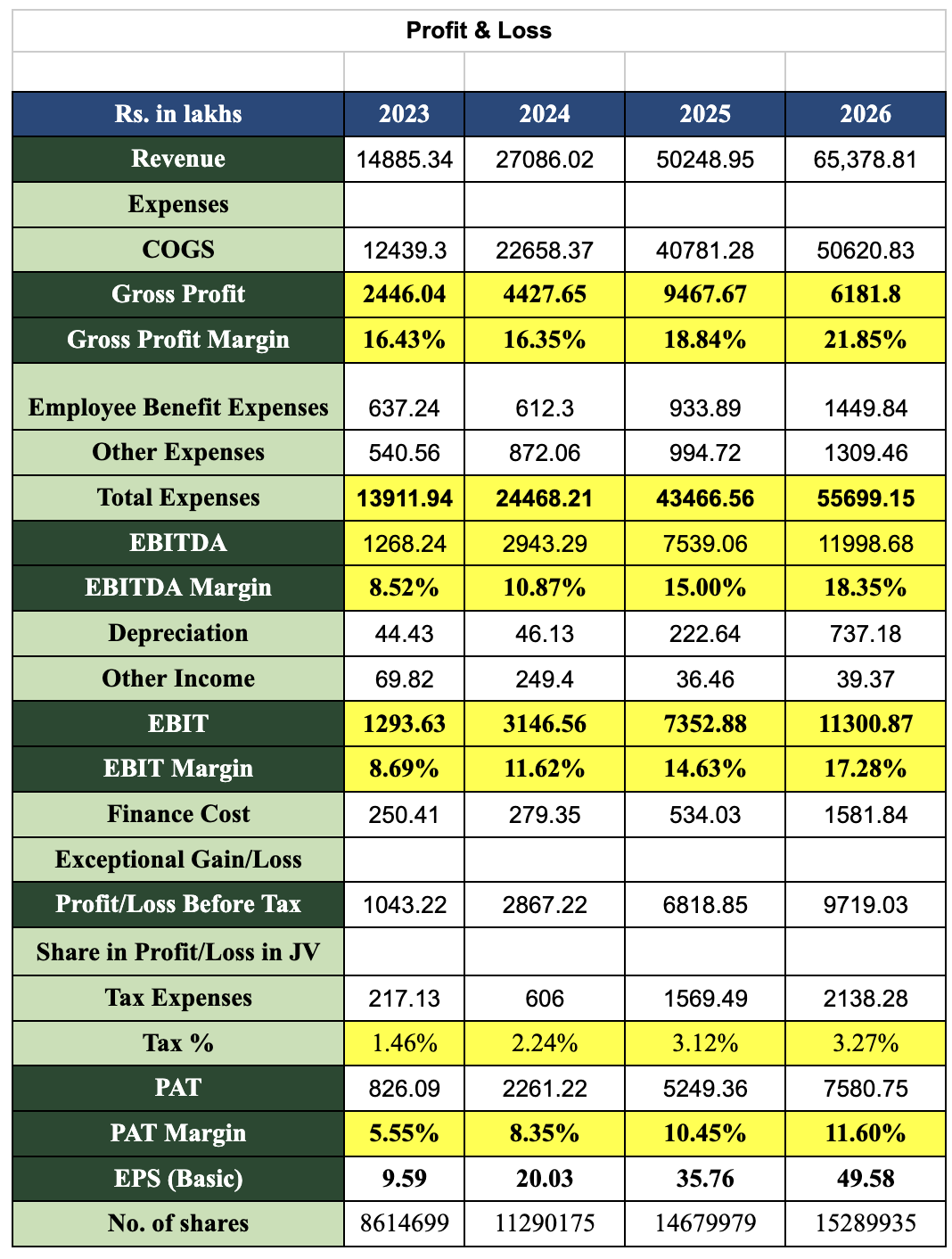
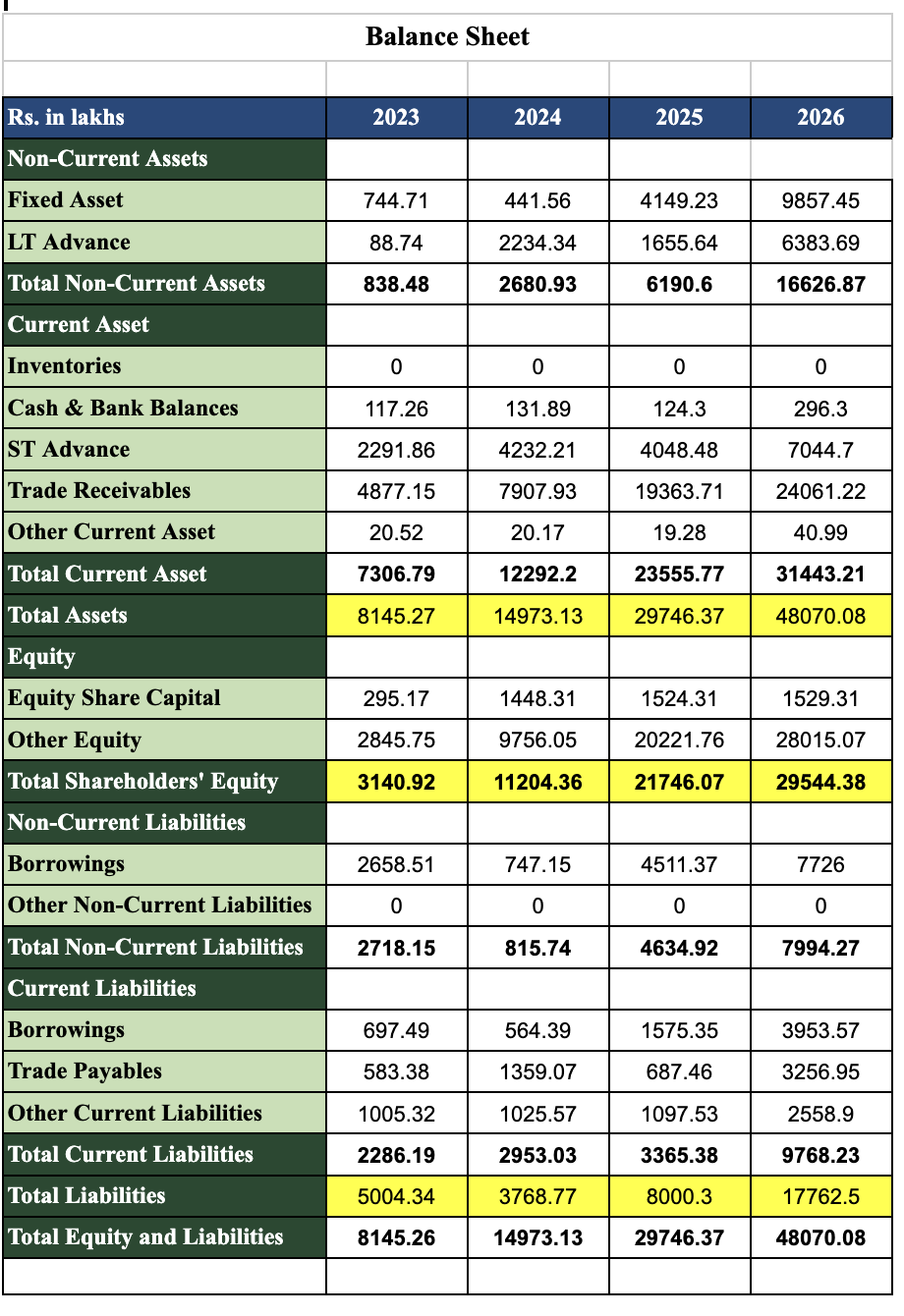
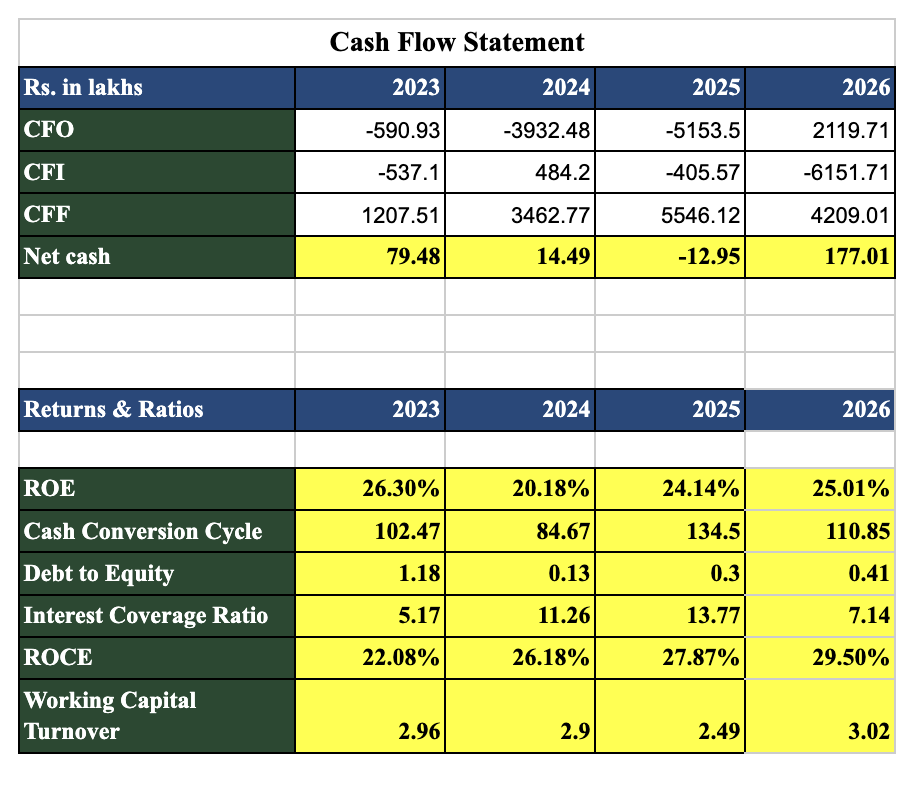
Financials
Warrants issued to Promoters
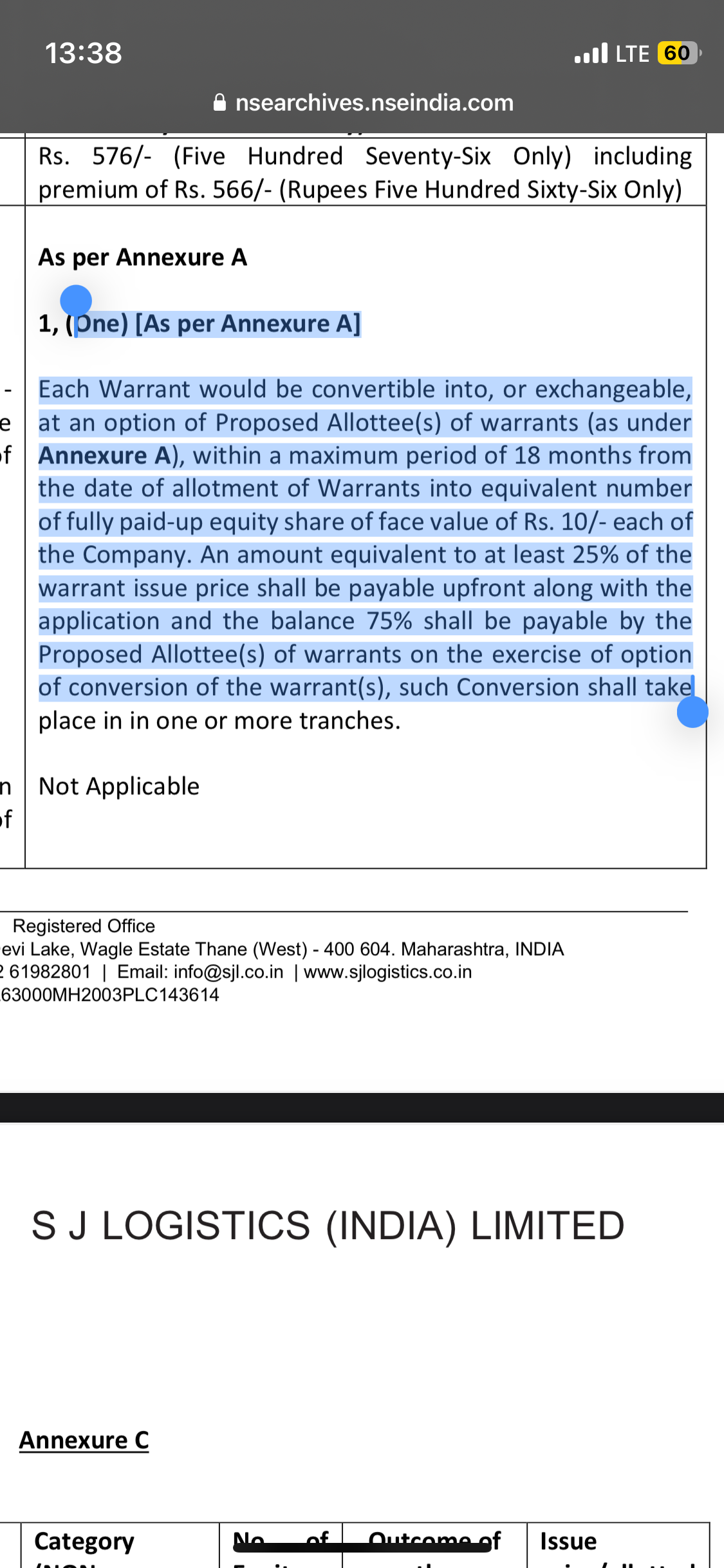
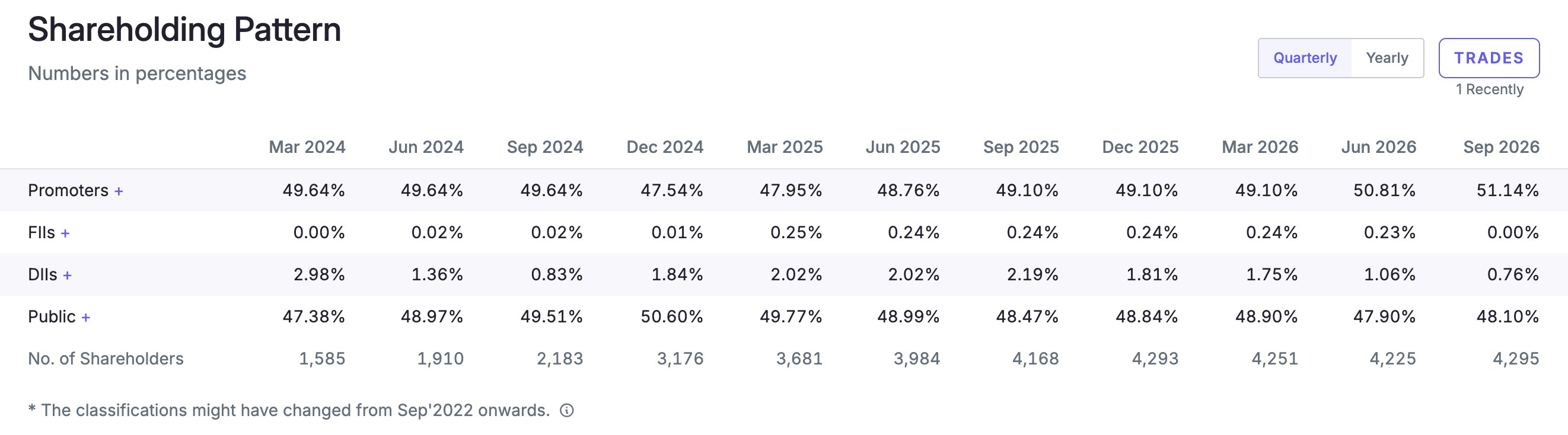
On December 12, 2024, the company approved the preferential allotment of 7,00,000 convertible warrants to the Promoter category at an issue price of ₹576 each (face value ₹10 at a premium of ₹566 per share), aggregating to approximately ₹40.32 Crores. The terms required 25% upfront payable upon issue, with the balance 75% due upon conversion.
Conversion Timeline:
- FY 2024–25: 1,20,000 warrants were exercised and converted into equity shares.
- FY 2025–26: 50,000 warrants were exercised and converted into equity shares.
- Post-March 31, 2026: The remaining balance of 5,30,000 warrants was fully converted into equity shares, resulting in all 7,00,000 warrants being 100% converted.
Risks
Direct vessel operation can be highly lucrative, yet it entails substantial operational risks and rigid cost structures.
- High Fixed Overheads: Operating leased vessels and long-term leased containers requires fulfilling fixed lease commitments regardless of vessel capacity utilization or if trips run empty.
- Freight Rate Dependence: Freight rates are not set by the company; earnings depend on prevailing global freight market indices and volatile trade cycles.
- Uncontrollable Operational Costs: Sudden spikes in bunker fuel and oil prices must be absorbed directly by the operator, squeezing operational margins during market shifts.
Increase in Debt & Ratings
Debt of company has increased due to entry into new vessel operation segment which requires leasing vessels and leasing containers as well. Soon this segment will start generating good revenue .