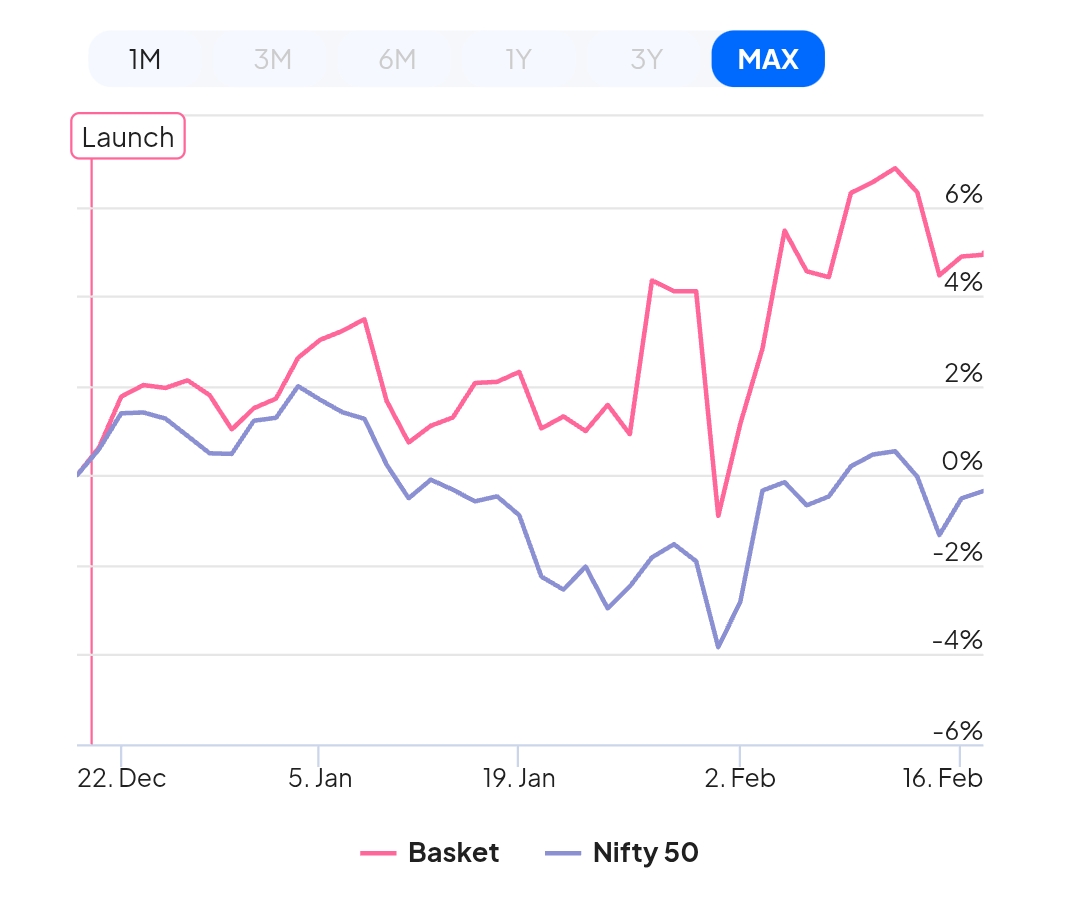
I have been an investor for years and have been trying multiple strategies, and most of them work perfectly for me (even in down cycles), but I also always wanted something that is ‘Invest and Forget’.
We can debate over this, but I think in the current scenario, you can’t invest and forget with selective stock investing.
Then what are the options? Mutual Fund Investing?
We all know that there are two types of mutual funds, Active and Passive.
From what I have experienced, Active mutual funds outperform in short duration, but most of them fail to beat the benchmark in a wider view, and there is also a risk of the Fund Manager leaving the fund (happening a lot now and I think it will only increase with time), with change in Fund Manager, you can’t really expect to get the same result as earlier.
Now we are left with Passive Mutual Fund Investing, but I will anyday prefer investing in ETFs over Passive Mutual Funds.
Why?
ETFs allow you to invest at any point in time; there is no cutoff time, and you can also play with intraday volatality, there have been numerous examples in the past 2-3 years where it was always a wise choice to invest in an ETF rather than passive mutual fund.
Also, ETFs generally have a low expense ratio, and I think ETF culture will boom in India in the coming years (same as US)
Now, since I had made my decision to go ahead with an ETF portfolio, it was time to find the ETFs and their allocation/weightage.
After trying multiple ETFs and their allocations, researching over 100s of Indexes and over 250 ETFs, I came up with this split:
| ETF Name | Ticker | Weight (%) | Segment | Segment % |
|---|---|---|---|---|
| Zerodha Silver ETF | SILVERCASE | 3 | Hedge - Commodities | 10 |
| Zerodha Gold ETF | GOLDCASE | 7 | Hedge - Commodities | |
| Kotak Nifty 100 Equal Weight ETF | NIFTY100EW | 10 | Equity - Largecap | 35 |
| Kotak Nifty Alpha 50 ETF | ALPHAETF | 12.5 | Equity - Largecap | |
| Motilal Oswal BSE Enhanced Value ETF | MOVALUE | 12.5 | Equity - Largecap | |
| Mirae Asset Nifty Midcap 150 ETF | MIDCAPETF | 15 | Equity - Midcap | 35 |
| Motilal Oswal Nifty Midcap 150 Momentum 50 ETF | MOMIDMTM | 20 | Equity - Midcap | |
| Mirae Asset Nifty Smallcap 250 Momentum Quality 100 ETF | SMALLCAP | 20 | Equity - Smallcap | 20 |
Please note that I have changed the weights multiple times, and I am still trying different allocation % to find the perfect fit.
This is the Indian Market split. For the US, I like to keep it very simple, so I prefer to invest in this split:
Indian Market + Commodities: 70%
US Market: 30%
Note: Instead of the US market, this 30% allocation is actually for world market, but I am yet to explore ex-US options.
| ETF Name | Ticker | Weight (%) | Segment | Segment % |
|---|---|---|---|---|
| Roundhill Magnificent Seven ETF | MAGS | 10 | Equity - US | 30 |
| Invesco NASDAQ 100 ETF | QQQM | 20 | Equity - US |
I could have stuck to the normal Broad Market Index, but I also included Strategy Indexes as they have always outperformed the broad market index in the long run, obviously in the down-cycles, the drawdowns would be drastic for strategy indexes, but since we are going for Invest and Forget, it really doesn’t matter that much.
I have not included any sectoral or thematic indexes as all of them have cycles, and I really don’t find any that I would like to stick to 20-30 years, max I could stick to 5-7 years.