
Adding a few thoughts, data points and some ground-level observations.
Many people believe porcelain insulators have suddenly gone into shortage. That is only half true.
If you go through HIIL’s annual reports and collate the data, a few interesting observations emerge.
Production volume | Realization (Source: AR)
FY24 – 12,790 MT – 165/kg
FY25 – 14,689 MT – 180/kg
FY26 – 14,749 MT – 224/kg
When the power cycle began in 2023, realizations started inching up, but only slowly. These plants had operated at deeply depressed realizations for the previous 15 years, so every manufacturer’s first priority was simply getting back to optimum utilization.
Unlike transformers, conductors and most other electrical equipment, where demand was driven by RDSS, solar and wind, porcelain insulators had very little role to play in that first leg.
Both HIIL and Modern primarily make EHV substation porcelain insulators. Neither is really in transmission-line insulators (long rods), which is a technologically commoditized product; for transmission lines, composite long rods are the preferred choice anyway, it’s made by Olectra, MMP and numerous other players.
So in Phase 1 of the power cycle, largely replacement-driven (RDSS) and lower-kV-driven because of renewables, EHV porcelain insulator manufacturers had no large demand vector of their own. They benefited from rising realizations, but from a base so depressed that nobody had an incentive to add capacity.
Look at the chart closely:
EHV substation installations were flat from FY18 to FY25. What has changed is that we are now in Phase 2 of the power cycle, which is EHV HVAC/HVDC focused, driven by government targets and this phase, unlike Phase 1, is substation-dominated.
You can see it in the data: substation additions above 220 kV broke out for the first time in the last decade, and as the numbers stand today, FY27 is going to be another record year, followed by FY28, which will be a record year again. On top of this, the government has recently announced GEC Phase 3 and the 1150 kV AC programme, both of which are, once again, substation-heavy.
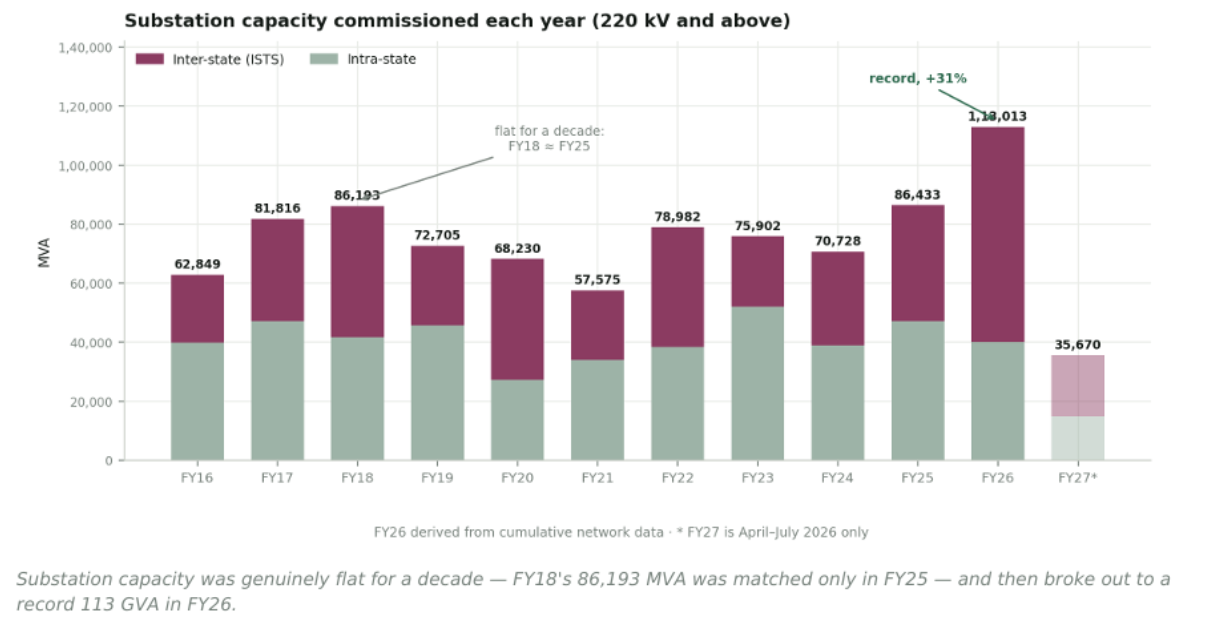
That’s your demand vector.
EHV substation porcelain insulators have only three domestic manufacturers (four if you count WinWin, which I don’t, more on that later). These three had already reached 100% capacity utilization in FY25, and with installations flat for the previous ten years, nobody could see what was coming.
Demand exploded. Why?
Turns out the porcelain insulator requirement per substation rises sharply with voltage class:
HVDC >>>> 765 kV >>> 400 kV >> 220 kV
Current demand is skewed towards exactly these higher classes.
With supply controlled by three players and demand exploding, lead times started rising. Realizations, which were hovering around 224/kg in FY26, are in range of ~300-350/kg, partly because of the immense pricing power these companies now have, and partly because of a higher share of higher-kV insulators, which are more complex, highly safety-critical and demand a great deal of manufacturing experience.
Plants of all four companies are 20+ years old and were set up through technical collaborations with MNC companies.
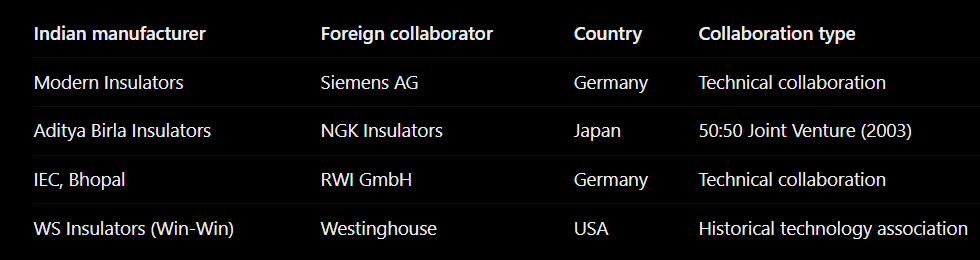
You can rest assured no new player is going to enter this industry, globally, I couldn’t find a single new entrant in the last 15 years.
So on one side, demand has structurally skyrocketed. On the other, supply is controlled by a handful of manufacturers, around 10–12 globally (at higher kV), and it is no surprise that all of them are sold out.
Coming back to the domestic market: HVAC and HVDC substations here are going to use porcelain. It is cheaper, more reliable, has a 50-year track record, and at higher voltage classes in particular it is well studied, well documented and the de facto choice.
Aditya Birla does have a JV with Maschinenfabrik Reinhausen to manufacture hollow-core composite insulators, but that capacity is entirely export-driven, European utilities can afford that price point, Indian utilities cannot. It is also a technologically complex product; you need a technology transfer to make it in-house. Though the product itself has a great future.
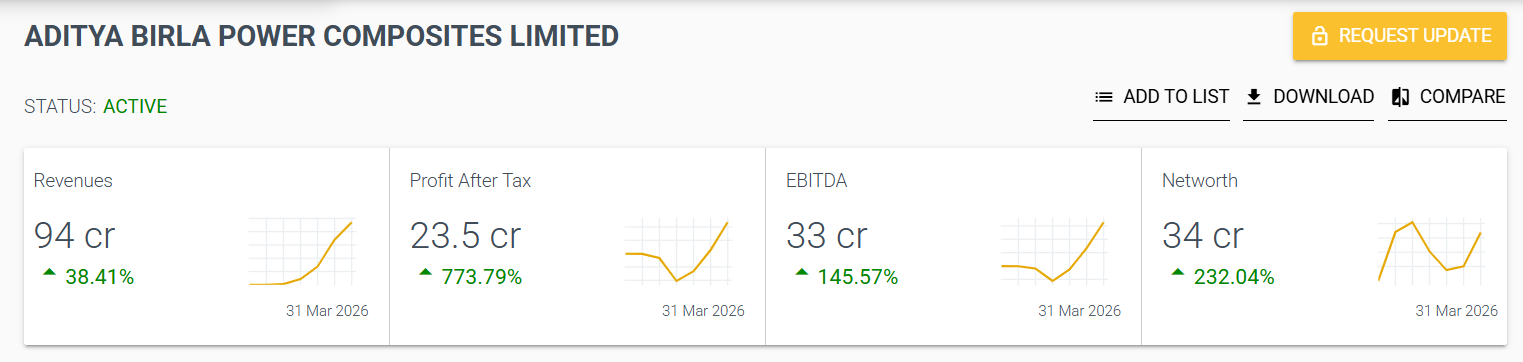
Recently, Trench acquired Reinhausen Hollow Core composite insulator facility -
"In recent years, our industry has faced capacity constraints. By acquiring RPC’s IP, engineering and production assets, we are strengthening our vertical integration while continuing to pursue a balanced ‘make and buy’ strategy. We will continue to expand and support our trusted partnerships with existing suppliers. Our customers will benefit from shorter lead times and enhanced supply reliability."
So, coming back to porcelain.
One option is to import from China, few OEMs are already doing it, paying 30–40% higher prices. The reason - at higher voltage classes there are limited players in China as well, and China is going through its own EHV cycle, so it doesn’t have much spare capacity either.
Freight is also a large variable. Higher-kV insulators are big, safety-critical items, and even a slight defect can cause arcing, so transportation has to be handled with care and has it’s own costs.
So you can see why insulators have now become a bottleneck.
They may not look very complex compared to bushings or transformers (they actually are, that is why only 10–12 companies make them globally), but so much has happened in the background that the real complexity now lies in demand/supply.
Now, taking each player one by one.
1. Aditya Birla : On paper, it has the largest installed capacity. In reality, that is far from the truth, roughly half of that capacity is in disc and pin insulators, which is a dead product, and those lines are not fungible, so the machines are sitting idle gathering dust (industry source; not verified personally). Given the Reinhausen JV for hollow-core composites, Aditya Birla is not particularly interested in porcelain either, it is a very small part of their Grasim’s operations.
2. Modern Insulators : A very capable player, and that capability is exactly what backfired. A few years ago, with the market as weak as it was, Modern locked large part of its capacity into long-term contracts with foreign customers, a prudent decision at the time. Today it means Modern cannot raise prices on that volume, not immediately atleast and it is already running at 80–100% utilization, so the room to benefit from the existing setup is limited. The two new kilns will fetch better margins, which may lift overall margins by 4–5 percentage points, but that’s about it. The notion that Modern’s margins will catch up with HIIL’s is not going to happen in my opinion.
Source: industry conversations, unverified, so treat accordingly and do your own checks. I don’t have bandwidth to personally verify it.
3. WinWin : Not much to add. Rated capacity is 18,000 MTPA, but industry sources put dispatchable capacity at no more than 12,000 MTPA. The factory has been idle for a long time, so it has to go through type testing again, and even reaching full utilization on that 12,000 MTPA will take a good 1.5-2 years. Efficiency also matters enormously in this business, and it is built up by running plants for years. Reaching 30–40% EBITDA margins will not be easy. That said, it is a good story and worth tracking.
Now coming to HIIL (4) , firstly the history is important here. It’s owned by Hindusthan Group, which was founded by RP Mody.
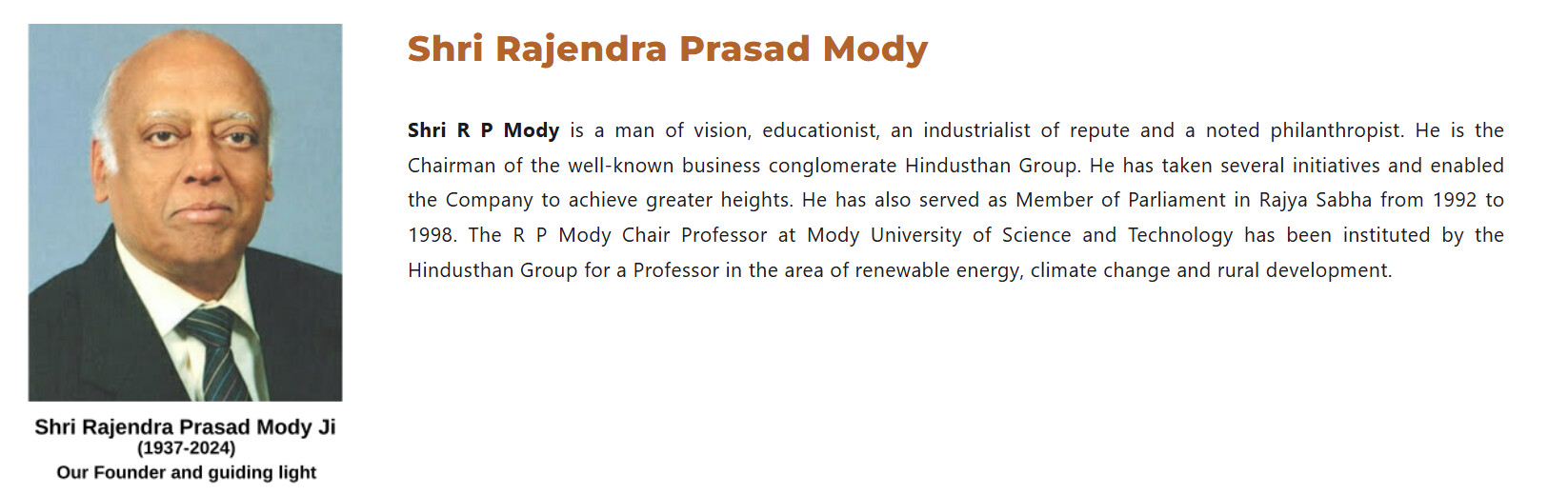
His son, Vikram Aditya Mody, runs HEIL. ( HEIL | Hindusthan Engineering and Industries Limited )
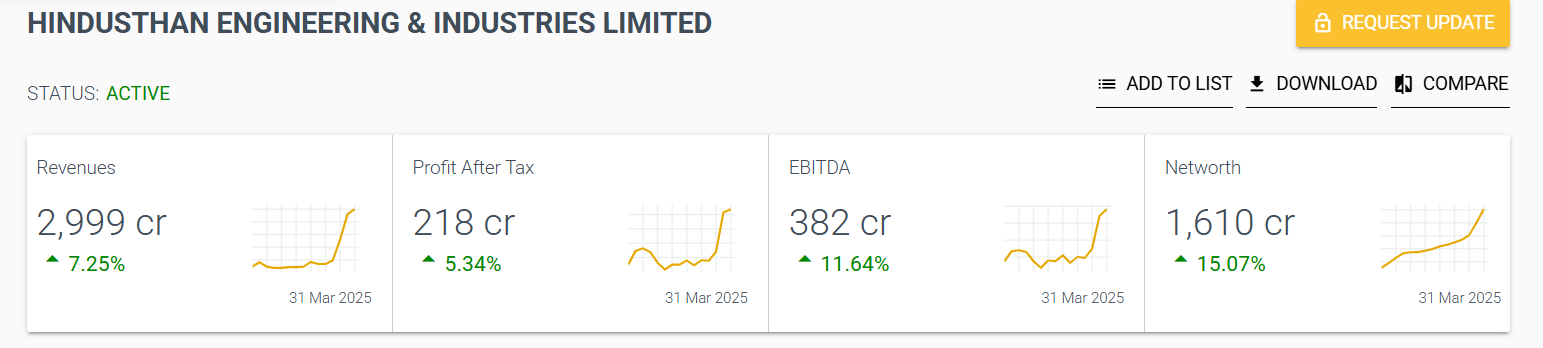
With the promoter family’s attention largely on HEIL, HIIL’s plant had long been run by professional management. Only recently did the third generation, Raghavendra Anant Mody (36), son of Vikram Aditya Mody, take over as Chairman.
So we now have a setup where HIIL has young, aggressive management + access to capital + a demand vector + an already running, optimized factory + intent.
Aditya Birla lacks the intent.
Modern lacks the aggressive management.
WinWin lacks a running facility, so any meaningful scale-up is still two years away.
HIIL is the one with all the stars aligned, which I must say is a fairly unique setup. That is why it is now doing 40%+ operating margins (±5%, depending on gas price volatility), and the factory is likely sold out at around these realizations.
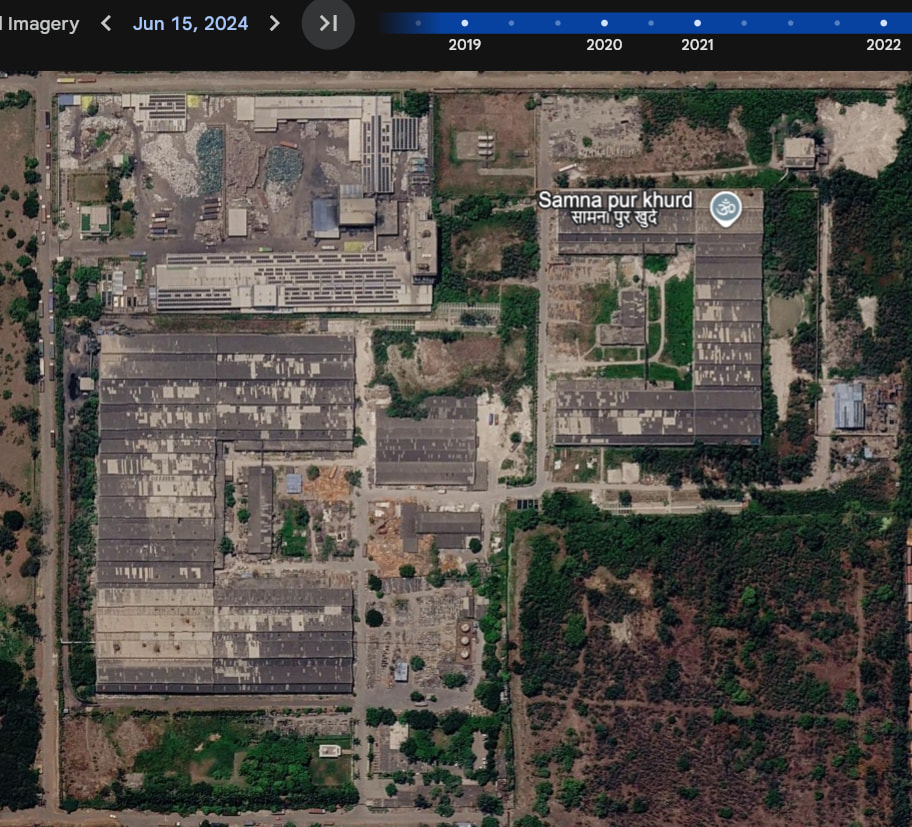
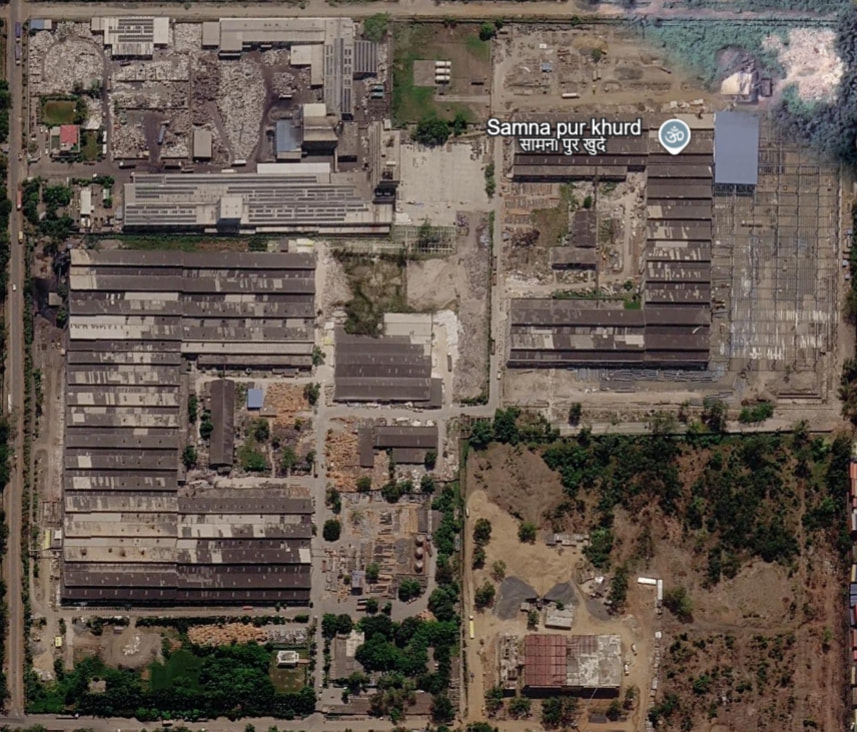
I have looked closely at both HIIL’s and Modern’s factories. Each kiln is a massive setup, which means your factory is your bottleneck, and that is why the few small unlisted players in this industry can forget about capitalizing on the opportunity.
This is how it looked with timestamp.
HIIL
JUNE 15 - 2024
APRIL 15, 2026
OCT, 2026
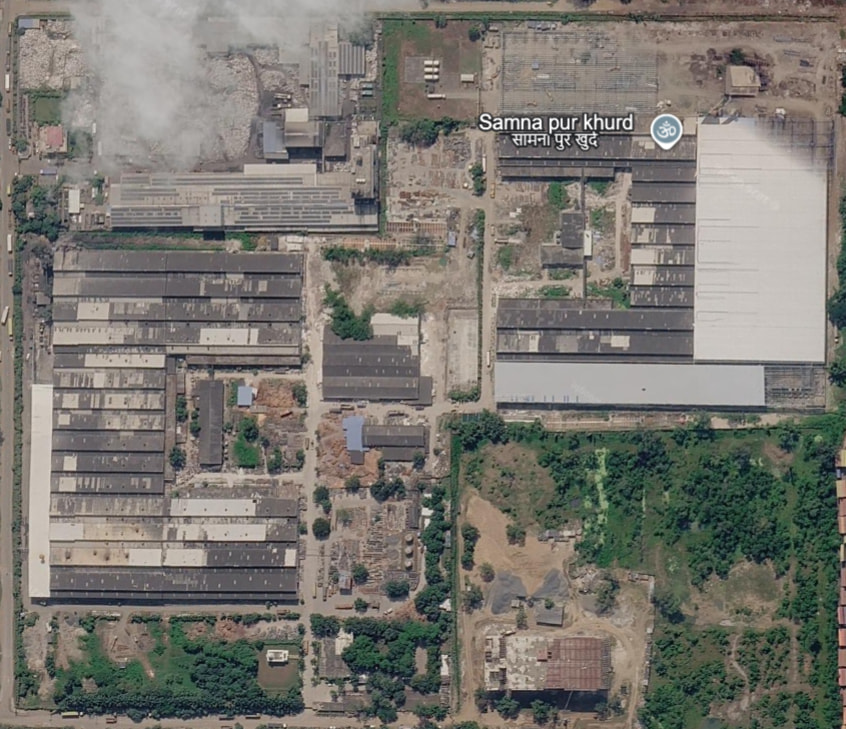
So you can clearly see cranes all over the factory, the north block, the east block and the south block.
Using the dimensions available, I tried to map how many additional kilns this site can accommodate before they would have to go for a greenfield capex.
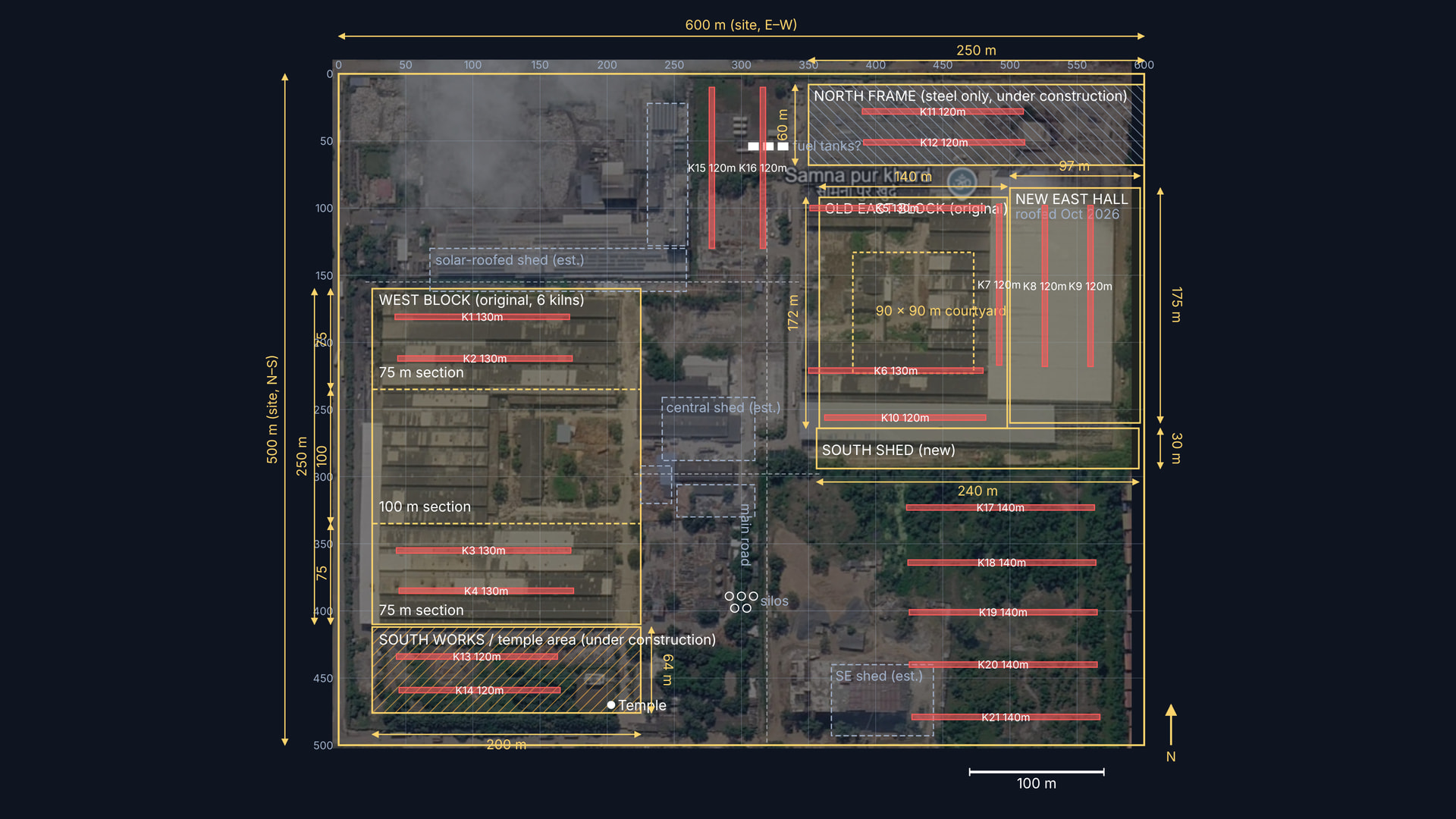
K1–K6 are the six existing old kilns.
K7–K9 were announced in Phase 1 of the capex, in November 2025.
K10–K12 were announced in Phase 2 of the capex, in February 2026.
The location of K1–K6 is known.
The location of K7–K12 is a reasonable guess based on the construction visible.
The location of K13–K21 are purely speculative, K13 and K14 show some early signs of construction activity, but nothing has been announced, so treat them as speculative only.
That is well over 70,000 MTPA of possible capacity. I don’t even want to put numbers to it. The point is simply to show how a strange combination of demand and supply vectors can take a company with 15 years of losses to immense possibilities.
Now, coming to Modern Insulators. Ground feedback was that they have some kind of space constraint. Yet if you look at their factory, there appears to be more than enough space. It may be that with residential construction and solar panels on the east side and some construction on the west, all they have left is the middle section, which could still host 2–4 additional kilns, possibly more. Since the ground feedback did not match the satellite image, I will leave it at that.
MARCH 12, 2024
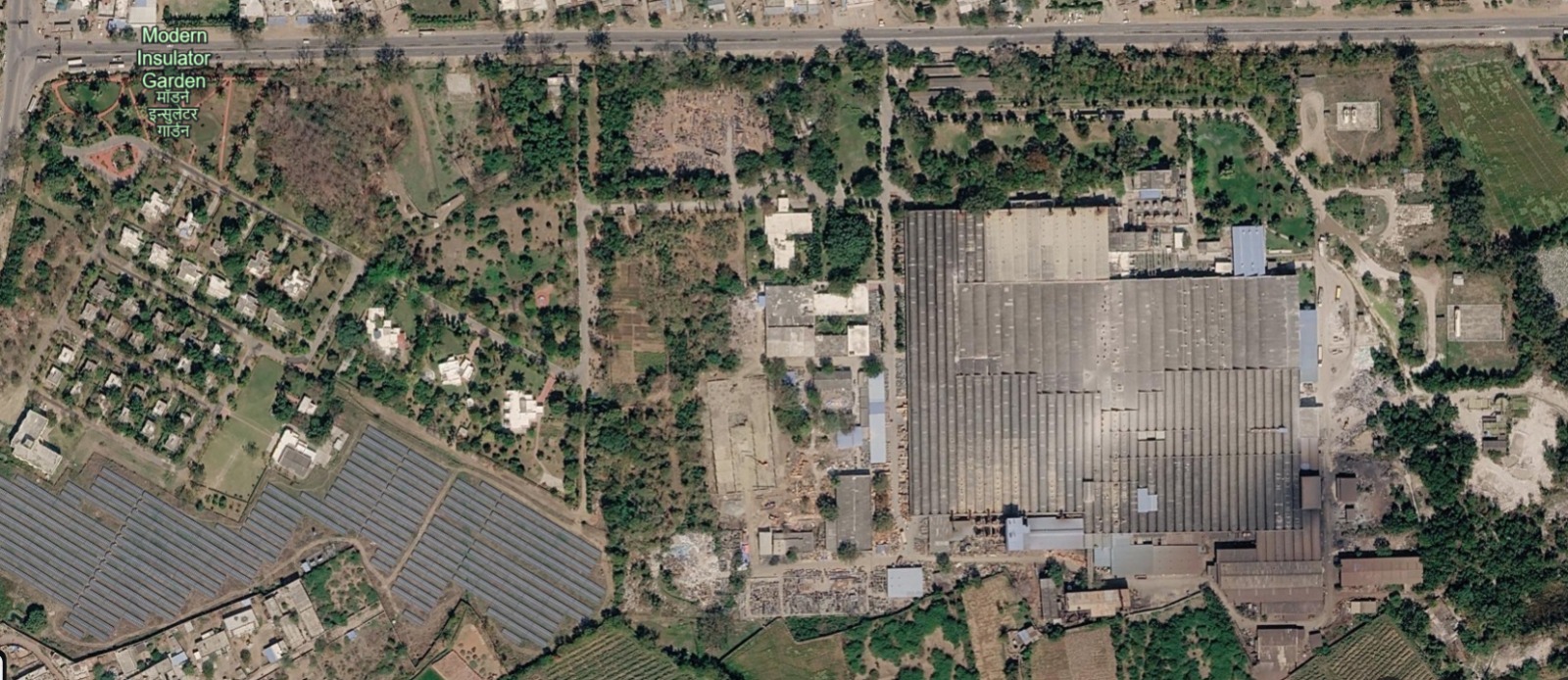
OCTOBER, 2026
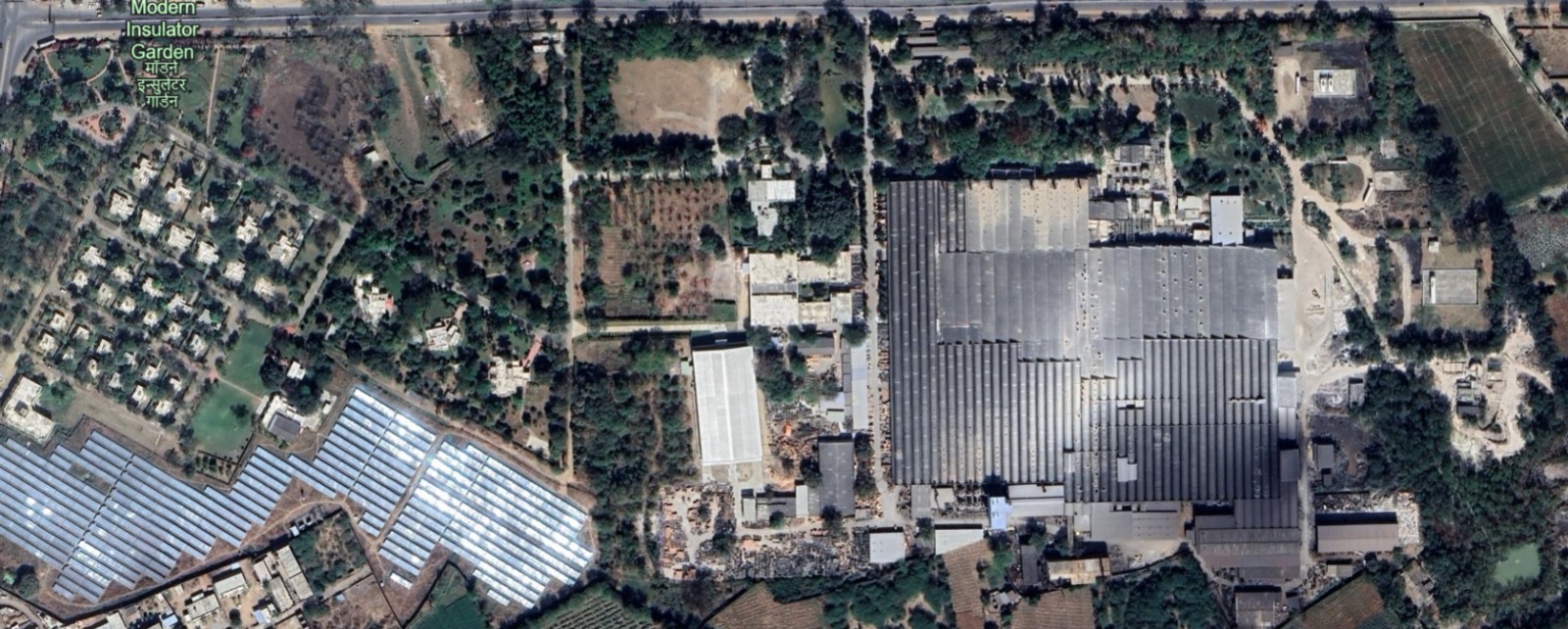
So any additional kilns Modern brings live at this facility can be sold at market realizations, fetching higher margins. The intent has not been much in evidence so far, but it is worth keeping an eye on.
I believe the industry has changed for good. You can see that the rise in realizations is not a one-off event; it has been building since FY23, and only recently has operating leverage started to show up. Also remember that every additional kiln added to these factories lowers the overall cost per additional tonne produced, so efficiency should improve from here.
So this business looks ripe for the next few years. Who knows what happens after that.
I am just a novice investor. Nothing here is a recommendation, my research can be wrong, and you should do your own due diligence.