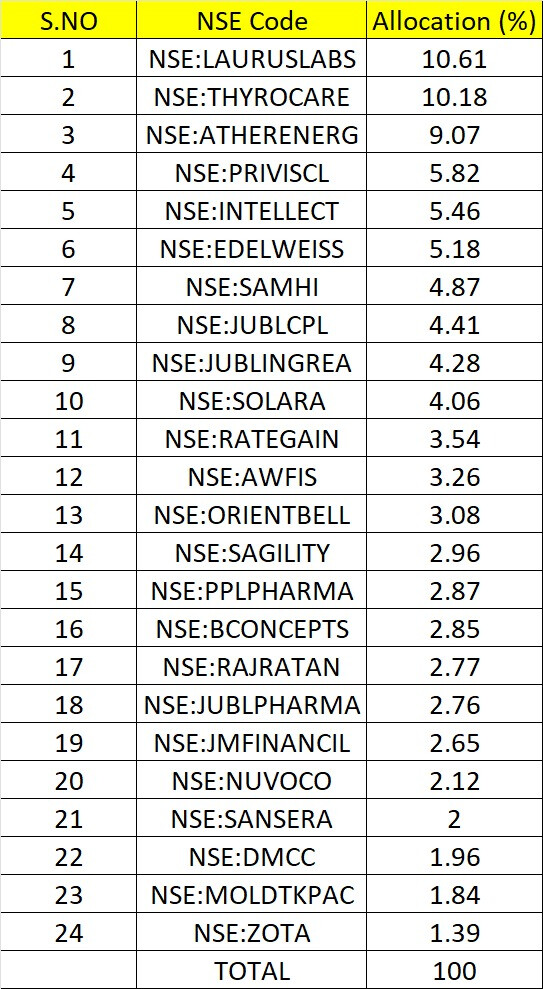
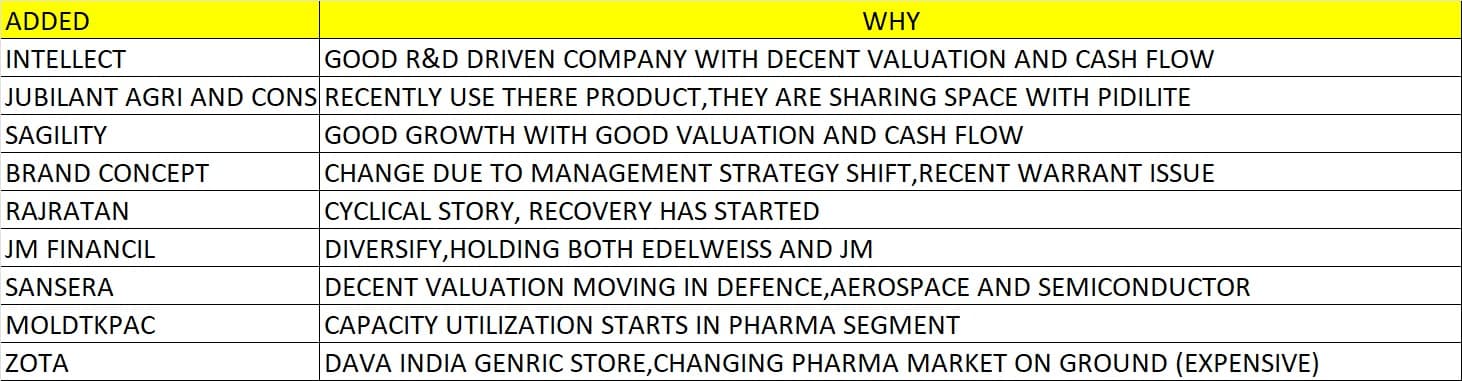
Mayank portfolio

ORIENT BELL Q4 FY25

Orient Bell Ltd. (OBL): Business, Management, Risks, and Strategy

Business Overview

Orient Bell Ltd. (OBL) is a leading tile manufacturer with 48 years in the ceramics industry. It operates five state-of-the-art facilities: three owned (Sikandrabad, UP – 14.8 MSM; Hoskote, KAR – 6.6 MSM; Dora, GUJ – 5.5 MSM) and two Associate Enterprises (Morbi, GUJ – 15.5 MSM), giving a total capacity of 42.4 MSM. The company offers 4,000+ SKUs, including Ceramic, Vitrified, Double Charge, Cool Tile, Germ Free, Anti-Static, Big Slabs, and more.

Distribution and Sales

OBL has a distribution network of 2,000+ business partners and 381 Tile Boutiques (OBTX), which contributed 45% of FY25 sales. While retail helps with brand visibility, institutional sales (20–25% of total) are gaining traction, with OBL supplying major builders and public projects across India.

Financial Performance – FY25

  • Revenue: ₹666 crores (↓ 0.4% YoY)
  • PAT: ₹2.8 crores (↑ 212.4% YoY)
  • Gross Margin: 35.0% (↑ from 33.6%)
  • EBITDA Margin: 4.6% (↑ from 3.5%)
  • Net Debt: ₹9.6 crores
  • Debt-Equity Ratio: 0.3x
  • Cash Conversion Cycle: 26 days

Management Update

CEO Mr. Aditya Gupta and CFO Mr. Himanshu Jindal addressed the Q4 FY25 earnings. Mr. Jindal clarified his resignation was a personal decision, not related to company performance.


Challenges Faced in FY25

  • Subdued domestic demand and weak exports due to ocean trade volatility.
  • Overcapacity in Morbi leading to pricing pressure and lower industry ASPs.
  • Finance costs doubled due to capitalization of the Dora plant loan in Sep 2023.
  • Sharper-than-expected fall in ceramics sales despite premium segment gains.

Key Risks

  • Overcapacity from Morbi expected to persist into H1 FY26.
  • Export market volatility: freight costs, US tariffs, anti-dumping duties.
  • Weak exports push capacity into the domestic market, hurting prices.
  • Attempts by Morbi players to raise prices have failed—continued pressure.
  • Broader macroeconomic, regulatory, and geopolitical uncertainties.

Strategic Initiatives (FY25)

  • Retail & Premium Mix Focus: GVT share rose to 41% (from 30%); vitrified mix to 58.5% (from 51%). Helped narrow ASP gap with leaders.
  • Marketing: Continued TV and digital campaigns; website traffic ~2.5–3 lakh/month; digital ranks top 2 in industry. Marketing spend at 3.7% of sales.
  • Geographic Reach: Dora GVT plant enabled penetration into southern and western markets.
  • Operational Efficiency: Cost of production dropped 3.3% YoY (like-for-like).
  • Sales Team & Distribution Expansion: Investments in salesforce structure and process enhancements.
  • Government Vertical: Rebuilt over last 5–6 months, identified 800+ departments for engagement.

Long-Term Outlook

  • No major capacity addition planned for FY26. Capex limited to maintenance (~₹5–10 crore).
  • Utilization for FY25 was ~55–60% (↓ from 65–70%, but on expanded base). Goal: 80–85% utilization before next capex cycle.
  • India’s low tile consumption per capita and rapid urbanization are tailwinds.
  • Management expects FY26, especially H2, to outperform FY25.
  • Export recovery is key: A 15–20% export uptick could stabilize pricing, lift dealer inventory, and trigger order growth.

Q&A Highlights from Earnings Call

  • Morbi Capacity: More supply coming in H1 FY26 despite low utilization (~60%).
  • Exports Outlook: Freight easing, but still volatile; watch global trends.
  • Margins & GVT: Premiumization helping margins; ASP maintained due to mix.
  • Ad Spend Impact: Digital drives web traffic; TV helped brand awareness modestly.
  • Finance Costs: Up due to Dora plant loan (capitalized in Sep 2023).
  • Capex Plans: No growth capex; only regulatory/maintenance.
  • Morbi Pricing: Efforts to raise prices haven’t worked; pressure continues.
  • Dealer Inventory: Low due to falling prices; export recovery could reverse trend.
  • Market Share: OBL’s share 4–5% of Indian organized tile market
  • Retail Demand: Still sluggish; expecting improvement by H2 FY26.
  • Utilization Confidence: High, based on demographic and urbanization trends. Timing of demand recovery is uncertain.

Good video for understanding current scenario in building materials.

1 Like

Jubilant Ingrevia Limited – Q4 & FY25 Performance and Strategic Outlook


1. Company Overview

Jubilant Ingrevia Limited is a globally integrated Life Sciences & Specialty Chemicals company serving diverse industries such as pharmaceuticals, nutrition, agrochemicals, consumer, and industrial segments. With over 40 years of expertise and a portfolio of 130+ products, the company holds global leadership in:

  • Pyridine & Picolines
  • Pyridine derivatives
  • Acetic Anhydride
  • Vitamin-B3
    It also has a fast-growing Custom Development & Manufacturing Organization (CDMO) business supporting pharma, agrochemicals, and semiconductor industries.

2. Key Financial Highlights (Q4 FY25 vs Q4 FY24)

  • Revenue: ₹1,051 Cr (▼2% YoY)
  • EBITDA: ₹155 Cr (▲54% YoY; highest in 12 quarters)
  • EBITDA Margin: 14.7% (vs 9% YoY)
  • PAT: ₹74 Cr (▲153% YoY)
  • EPS (Basic & Diluted): ₹4.7 (▲153% YoY)

Dividend:

  • Final: ₹2.50/share (250%)
  • Total for FY25: ₹5/share (500%)
  • Total cash outflow: ₹79.8 Cr

3. Market and Business Environment

Global Chemical Sector:

  • Specialty chemicals have begun recovering with stable volumes.
  • Commodity segments remain under pressure with muted but stable prices.

Pharma End-Use Market:

  • Stable volumes and pricing in pharma-related fine chemicals.
  • Acetyls business impacted by weak demand in Paracetamol.

Agrochemicals:

  • Strong YoY and QoQ recovery in volumes and pricing.
  • Pyridine-based agro products show a positive rebound.

Nutrition:

  • Niacinamide (Vitamin B3) shows stable volume and pricing with YoY growth.
  • Strong demand for Choline; however, pricing faces pressure from Chinese imports.

US Tariffs Impact:

  • Minimal exposure (only ~2.5% of sales at risk).
  • Favorable export competitiveness vs Chinese peers.

4. Segmental Performance

A. Specialty Chemicals

Q4 FY25:

  • Revenue: ₹487 Cr (▲2%)
  • EBITDA: ₹129 Cr (▲93%)
  • Margin: 27% (vs 14% YoY)
  • Contribution to Total EBITDA: 76%

FY25:

  • Revenue: ₹1,818 Cr (▲15%)
  • EBITDA: ₹422 Cr (▲70%)
  • Margin: 23%

Drivers:

  • Growth across Pyridine, Picoline, CDMO, and Fine Chemicals.
  • 25+ new molecules added to CDMO pipeline in FY25.
  • High margins driven by better pricing, cost optimization, and strong global position in Pyridine derivatives.

B. Nutrition & Health Solutions

Q4 FY25:

  • Revenue: ₹190 Cr (▲15%)
  • EBITDA: ₹29 Cr (▲237%)
  • Margin: 16% (vs 5%)
  • Contribution to Total EBITDA: 17%

FY25:

  • Revenue: ₹747 Cr (▲10%)
  • EBITDA: ₹102 Cr (▲65%)
  • Margin: 14%

Highlights:

  • Strong volume growth in Choline; stable pricing.
  • Niacinamide volumes and pricing improved YoY.
  • Cosmetic-grade Niacinamide demand surged.
  • Ramp-up of new cGMP facility (4,500 tons capacity); 70–80% utilization targeted in 18 months.
  • Continued leadership in dry CC domestic market.

C. Chemical Intermediates

Q4 FY25:

  • Revenue: ₹375 Cr (▼14%)
  • EBITDA: ₹10 Cr (▼76%)
  • Margin: 3% (vs 10%)
  • Contribution to Total EBITDA: 6%

FY25:

  • Revenue: ₹1,612 Cr (▼14%)
  • EBITDA: ₹108 Cr (▼47%)
  • Margin: 7%

Challenges:

  • Weak demand in Acetic Anhydride from Paracetamol segment.
  • Intense pricing pressure in Ethyl Acetate due to competition and benign prices.
  • Stabilizing ocean freight and cost efficiencies expected to aid recovery.

5. Strategic Initiatives & Capex

Cost Optimization:

  • Phase-I programs (Lean, Energy savings, Surge): ₹120 Cr annual savings.
  • Phase-II targets ₹100–150 Cr more annualized savings, largely benefiting FY26 margins.

International Revenue Growth:

  • Share rose to 45% of total (vs 34%).
  • US revenue: ▲22% YoY; ▲4% QoQ.
  • Strengthened BD teams in US, Europe, Japan.

CDMO Expansion:

  • 25+ new molecules added in FY25.
  • Molecules span pharma, agro, and semiconductor segments.

Capex Update:

  • FY25: ₹365 Cr (mainly from internal accruals).
  • FY26E: ₹600 Cr planned (including spillover).
  • Total invested (FY22–FY25): ₹1,745 Cr out of planned ₹2,000 Cr.

Future Focus:

  • Multi-Purpose Plants (MPP), Diketene derivatives, Human Nutrition, and CDMO.

6. Outlook and Guidance

Pinnacle 345 Vision:

  • Target: Cross ₹10,000 Cr in revenue by FY30.

Growth & Margin Guidance:

  • Overall growth: 20% CAGR.
  • EBITDA to grow faster than revenue, driven by premium product mix and cost initiatives.

Segment-wise Margin Targets:

  • Specialty Chemicals: 22–25%
  • Nutrition & Health Solutions: 16–18%
  • Chemical Intermediates: 10–12%
  • Company-wide: >17–18%

Future Investments:

  • ₹600–800 Cr per year over next 3–4 years.
  • ₹2,000–2,500 Cr additional Capex estimated.
  • ₹1,000 Cr+ revenue potential from already invested assets yet to be unlocked.

7. ESG and Sustainability

Recognitions:

  • EcoVadis Gold rating (95th percentile)
  • S&P Dow Jones 92nd percentile
  • WEF Global Lighthouse Network (GLN) for 4IR adoption
  • Great Place to Work Certification
  • FICCI ‘Company of the Year’ and Rasayan Udyog Ratna Awards

Renewable Energy:

  • Sourcing 50% energy from renewables at Bharuch plant (via O2 Power).
  • Over 35% total energy needs now from renewables.
  • Scope 2 emissions and energy costs expected to decline.

8. Risks & Disclaimers

Market Risks:

  • Commodity segment under volume/pricing pressure.
  • Acetyls underperforming due to weak Paracetamol demand.
  • Choline pricing pressure (China import effect).
  • Lower Ethyl Acetate pricing due to competition.

Forward-Looking Statement Disclaimer:

  • Statements made are subject to uncertainty and risks. Actual outcomes may differ from projections. Jubilant Ingrevia assumes no obligation to update forward-looking statements.

dis. Biased and invested

Current update of portfolio

COMPANY ALLOCATION
APOLLOPIPE 5.97%
AWFIS 6.64%
DMCC 2.20%
EDELWEISS 5.68%
HIKAL 6.50%
JUBLPHARMA 6.96%
KRSNAA 5.09%
LAURUSLABS 8.82%
ORIENTBELL 4.41%
PRAJIND 3.14%
PRIVISCL 6.85%
RATEGAIN 2.04%
SAMHI 6.90%
SENCO 4.23%
SFL 4.87%
SHIVALIK 4.77%
SOLARA 4.63%
THYROCARE 8.23%
JUBLINGREA 2.05%
TOTAL 100.00%

*Added JUBILANT INGREVIA and booked some from PRIVI as after recent run on Privi it become my highest allocation and its valution is also reaching on higher side I am still holding Privi, but I didn’t want Privi to be a highest allocation.
On JUBILANT INGREVIA , I think they have both capacity and capability to archive their pinnacle 345 vision .

1 Like

This is current portfolio allocation.

NSE CODE ALLOCATION
APOLLOPIPE 5.01%
AWFIS 7.09%
DMCC 2.27%
EDELWEISS 4.87%
HIKAL 4.20%
JUBLPHARMA 5.98%
KRSNAA 6.50%
LAURUSLABS 9.60%
ORIENTBELL 4.46%
PRAJIND 2.60%
PRIVISCL 5.79%
RATEGAIN 1.75%
SAMHI 7.53%
SENCO 4.20%
SHIVALIK 4.59%
SOLARA 3.98%
THYROCARE 9.66%
JUBLINGREA 6.02%
SATIA 3.90%
TOTAL 100.00%

In it I recently added SATIA IND. It is a paper company reason behind added it is valuation ,It is available below its long term average, its past track record of revenue and cash flow compounding is quite good, they are shutting their factory for 6 month for maintenance in upcoming quarter which may impact its revenue for short term which is about 15%.its looks like market discount it already. You can go through this audio link to understand more https://x.com/i/spaces/1BRJjmZXzzwGw.

Second I booked some profit from Privi Speciality and added it back in jubilant Ingrevia.
Third I sold Sheela form moved that fund in Satia industries. Sold SLF because I get better opportunity .
DIS.INVESTED AND BIASED.

Thyrocare Technologies Limited Q1 FY26 Earnings Conference Call Analysis

1. Executive Summary

Thyrocare delivered exceptional Q1 FY26 performance with 23% YoY revenue growth to ₹193 crores and 62% PAT growth to ₹38.06 crores, significantly outperforming the industry growth rate of early-to-mid teens. The company’s strong execution of its franchise-led B2B strategy, combined with quality improvements and operational leverage, drove normalized EBITDA margins to 33% (vs 29% last year).

Key Topics Discussed:

  • Franchise network expansion driving growth acceleration
  • Quality leadership with 100% NABL accreditation achievement
  • Strategic test menu expansion toward higher-value specialized tests
  • International expansion in Tanzania and Africa strategy
  • Partnership business momentum with 36% YoY growth
  • Management’s confidence in mid-teens guidance despite strong Q1 performance

Management Tone: Highly confident and optimistic, with CEO Rahul Guha emphasizing continuous improvement mindset and growth investments. The management demonstrated strong execution capabilities and clear strategic vision.

Thyrocare’s Q1 FY26 Financial Performance - Strong Growth Across Key Metrics

2. Detailed Analysis

Business Model Evolution

Franchise-Centric Growth Engine: Thyrocare’s asset-light franchise model continues to demonstrate superior scalability, adding 1,400+ net franchisees YoY to reach 9,551 active quarterly franchisees. The company’s strategy of onboarding existing diagnostic centers rather than creating new entrepreneurs has reduced integration time and improved success rates.

Revenue Mix Transformation: The business model is evolving toward higher-value services:

  • Routine tests: Decreased from 66% to 50% of mix over 2 years
  • Specialized tests: Now comprise 50% vs 33% two years ago, with ~3x higher realization
  • Partnership business: Growing 36% YoY, demonstrating platform scalability

Working Capital Benefits: The franchise model’s cash collection advantage and negative working capital cycle supports strong cash generation, enabling debt-free operations with high ROCE.

Industry Operating Environment

Industry Growth Context: The Indian diagnostic industry is growing at 14% CAGR, projected to reach $25 billion by FY28. However, the industry remains highly fragmented with organized players holding only 17% market share, providing significant consolidation opportunities.

Competitive Positioning: Among the top 4 players (Dr. Lal PathLabs, Metropolis, SRL Diagnostics, and Thyrocare), the combined market share is only ~6%. Thyrocare’s volume leadership with 167.9 million annual tests (more than all listed competitors combined) provides unique competitive advantages.

Regulatory Tailwinds: Only 2% of Indian labs hold NABL accreditation, and Thyrocare’s achievement of 100% NABL accreditation across all labs positions it advantageously as quality standards tighten.

Management Tone and Sentiment

Confidence Indicators: Management demonstrated high confidence through:

  • Maintaining mid-teens guidance despite 23% Q1 growth, suggesting conservative approach
  • Aggressive franchise addition targets of 100+ monthly additions
  • Investment in new technologies (BioFire, coagulation, histopathology)
  • International expansion commitments in Tanzania

Strategic Clarity: CEO Guha’s consistent messaging around affordability, quality, and B2B focus shows strategic discipline. The “no steady state” philosophy indicates continuous reinvestment for growth.

Key Business Insights

Operating Leverage Materialization: Normalized EBITDA margins expanded 400 basis points YoY to 33%, demonstrating significant operating leverage as the franchise base scales.

Quality Leadership Moat: Achieving Six Sigma quality targets (currently 4.0 complaints per million vs target <3.4) creates differentiation in a fragmented market focused primarily on price competition.

Geographic Expansion Strategy: Opening labs in underserved regions (Kashmir, Roorkee, Bhagalpur) strengthens network effects and creates entry barriers for competitors.

Capital Allocation Strategy

Growth-First Approach: Management emphasized reinvesting operating leverage gains into growth initiatives rather than margin expansion, consistent with their historical 30% EBITDA margin guidance.

Acquisition Integration Success: The full integration of Polo, Vimta, and Think Health acquisitions within 12 months demonstrates execution capabilities for future inorganic growth.

Technology Investments: Continued investment in advanced testing platforms (BioFire PCR, histopathology, coagulation) supports the test menu premiumization strategy.

3. Industry- and Company-Specific Details

Industry-Specific Insights

Market Structure and Fragmentation: The Indian diagnostic industry represents a classic consolidation opportunity with over 1.32 lakh pathology labs, of which 60%+ are standalone operations. The organized sector’s 17% market share is distributed among hospital-based labs (37%) and diagnostic chains (15%), with national chains representing only 6%.

Growth Drivers Analysis: The industry’s 14% CAGR growth is driven by multiple structural factors:

  • Aging population increasing chronic disease prevalence
  • Rising disposable incomes enabling preventive healthcare spending
  • Insurance penetration expanding access to diagnostics
  • Tier 2/3 city expansion addressing underserved markets
  • Government healthcare initiatives supporting diagnostic infrastructure

Technology Disruption Patterns: The shift toward molecular diagnostics, genetic testing, and AI-enabled pathology is creating opportunities for technology-enabled players to gain market share from traditional labs.

Pricing Dynamics: Unlike developed markets, Indian diagnostic pricing remains 40-75% lower than international levels, indicating potential for future price realization improvements as the market matures and consolidates.

Company-Specific Insights

Unique Business Model Advantages: Thyrocare’s hub-and-spoke central processing model provides economies of scale unavailable to smaller competitors:

  • Central Processing Labs in Mumbai and Delhi with 130,000 samples/day combined capacity
  • Average turnaround time of 3.35 hours from sample receipt to report release
  • Pan-India phlebotomy network of 1,900+ phlebotomists supporting partnership business

Test Menu Strategy: The company’s focused test menu of ~1,000 tests (vs competitors’ 2,000-3,000) reflects strategic discipline in maintaining volume thresholds for each test while covering all major technology platforms.

Brand Portfolio Evolution: Strategic brand expansion beyond flagship Aarogyam (40% of revenue) to include:

  • Jaanch: Lifestyle-focused testing growing 17% YoY, targeting specific conditions
  • Her Check: Women’s health focused offerings

Geographic Footprint: The company operates 40 labs globally including partner labs, with strategic presence across all Indian regions and international operations in Tanzania.

Management’s Strategic Thought Process

B2B Platform Strategy: Management’s focus on being the “B2B partner of choice” reflects understanding that customer acquisition costs in direct-to-consumer models are prohibitive, while the franchise/partnership model leverages existing healthcare relationships.

Quality as Competitive Moat: The investment in achieving 100% NABL accreditation and Six Sigma quality targets demonstrates long-term thinking about regulatory trends and customer expectations evolution.

International Expansion Philosophy: Management’s 10-year view on Africa expansion shows patience and strategic thinking about long-term growth opportunities beyond India’s maturing diagnostic market.

Technology Investment Discipline: The selective adoption of new testing technologies based on volume thresholds (minimum volume before test activation) balances innovation with operational efficiency.

4. Forward-Looking Statements and Guidance

Revenue Expectations

Conservative Guidance Approach: Management maintained mid-teens revenue growth guidance despite delivering 23% Q1 growth, citing early-year caution and strong H2 FY25 comparatives. This conservative approach suggests potential for guidance revisions if momentum continues.

Growth Driver Confidence: Management expressed high confidence in franchise addition momentum continuing at 100+ monthly net additions, supporting sustained volume growth.

Margin Expectations

EBITDA Margin Philosophy: Management reiterated the 30% normalized EBITDA margin target, with any operating leverage gains prioritized for reinvestment in growth initiatives rather than margin expansion.

Gross Margin Sustainability: The 71% gross margin (48 basis points YoY improvement) reflects benefits from favorable product mix and negotiation improvements, which management expects to sustain.

Growth Drivers Analysis

Organic Growth Momentum: The 21% organic growth in Q1 FY26 demonstrates strong underlying business momentum independent of acquisitions.

Partnership Business Acceleration: With 36% YoY growth, the partnership segment (including PharmEasy recovery) represents a significant growth catalyst.

Test Menu Premiumization: The shift toward specialized testing with 3x higher realization provides sustainable margin expansion opportunities beyond volume growth.

Recovery and Growth Expectations

Franchise Network Maturation: Management highlighted that franchisees added post-FY22 show consistent growth in retained revenue, indicating improving franchise quality and longevity.

Market Share Gains: Given the fragmented industry structure and Thyrocare’s quality leadership, management expects continued market share gains from unorganized players.

International Timeline: Tanzania operations, while currently immaterial, are expected to become a “big pillar” over a 10-year horizon, indicating patient capital deployment in international markets.

5. Risk Assessment

Competitive Threats

High-Impact Risk: Intense price competition from online aggregators (Tata 1mg, PharmEasy) offering 40-75% discounts poses margin pressure risks. However, Thyrocare’s cost structure and partnership with PharmEasy provide some mitigation.

Organized Player Competition: Dr. Lal PathLabs and Metropolis expansion into Tier 2/3 cities could pressure Thyrocare’s franchise network, particularly given their higher brand recognition in premium segments.

Technology Disruption: Point-of-care testing and AI-enabled diagnostics could reduce demand for centralized lab processing, potentially undermining Thyrocare’s hub-and-spoke model advantage.

Regulatory Challenges

Quality Standard Evolution: While currently benefiting from NABL accreditation, rising quality standards could increase compliance costs and potentially reduce the franchise network if smaller players cannot meet requirements.

Price Regulation Risk: Government-enforced pricing regulations in diagnostic testing could limit pricing flexibility, particularly impacting high-margin specialized tests.

Insurance Reimbursement Changes: Modifications to insurance coverage for diagnostic testing could significantly impact demand patterns and pricing power.

Execution Risks

Franchise Network Management: Maintaining quality standards across 9,500+ franchisees presents ongoing execution challenges, with potential for compliance issues affecting brand reputation.

Acquisition Integration: Despite recent success, future acquisition integration risks remain significant, particularly as the company explores larger deals in a consolidating market.

Technology Investment Returns: High capital requirements for advanced testing platforms may not generate expected returns if market adoption is slower than anticipated.

Market-Specific Risks

Economic Slowdown Impact: Discretionary healthcare spending reduction during economic downturns could disproportionately impact preventive testing, which comprises 40% of Thyrocare’s revenue.

Rural Market Execution: Tier 2/3 city expansion challenges including infrastructure limitations, payment collection issues, and competition from local players pose execution risks.

Currency Exposure: International operations in Tanzania expose the company to currency fluctuation risks and political/economic instability in emerging markets.

6. Comparison to Peers

Financial Performance Comparison

Revenue Growth Leadership: Thyrocare’s 23% revenue growth significantly outpaced industry averages and major competitors:

  • Dr. Lal PathLabs: Historical mid-teens growth
  • Metropolis Healthcare: Similar growth rates but smaller scale
  • Industry Average: Early-to-mid teens growth

Volume Leadership: With 167.9 million annual tests, Thyrocare processes more tests than all listed competitors combined, demonstrating unique scale advantages.

Margin Profile: 33% normalized EBITDA margin compares favorably to peer averages of 26-27% for organized players.

Strategic Positioning Differences

Business Model Differentiation:

  • Thyrocare: Pure-play B2B franchise model with central processing
  • Dr. Lal PathLabs: Mixed B2B/B2C with regional processing approach
  • Metropolis: Balanced B2B/B2C with technology focus
  • SRL Diagnostics: Hospital-centric with specialized testing focus

Geographic Strategy Variance:

  • Thyrocare: Pan-India presence with international expansion
  • Competitors: Typically stronger in specific regions (North, South, West)

Test Menu Philosophy:

  • Thyrocare: Focused menu (~1,000 tests) with volume thresholds
  • Competitors: Broader menus (2,000-3,000 tests) for comprehensive coverage

Competitive Advantages and Disadvantages

Thyrocare Advantages:

  • Scale Economics: Largest processing volumes enabling lowest cost structure
  • Quality Leadership: Only 100% NABL accredited chain
  • Geographic Reach: Strongest Tier 2/3 presence through franchise network
  • Asset-Light Model: Superior capital efficiency and scalability

Relative Weaknesses:

  • Brand Recognition: Lower consumer brand awareness vs Dr. Lal PathLabs
  • Premium Positioning: Limited presence in high-end specialized testing
  • Direct-to-Consumer: Smaller B2C business limits margin expansion opportunities

7. Long-Term Strategy

Vision Alignment

Core Mission Consistency: The call reinforced Thyrocare’s fundamental mission to “make good quality diagnostics affordable to all”, with all strategic initiatives aligned to this objective.

B2B Platform Evolution: The long-term vision positions Thyrocare as the leading B2B diagnostic services platform in India and eventually Africa, leveraging network effects and scale economies.

Strategic Pillars Integration

Quality Leadership Foundation: The achievement of 100% NABL accreditation and pursuit of Six Sigma quality creates a sustainable competitive moat supporting the long-term strategy.

Technology Integration: Selective adoption of advanced testing platforms (molecular diagnostics, histopathology, coagulation) supports the test menu premiumization strategy while maintaining cost leadership.

International Expansion Timeline: The 10-year Africa expansion vision demonstrates patient capital allocation and long-term growth planning beyond India’s market saturation.

Strategic Evolution Indicators

Business Model Maturation: The shift from pure volume growth to value-based growth (test menu premiumization) indicates strategic sophistication and market evolution adaptation.

Partnership Strategy Enhancement: Growing emphasis on insurance partnerships and public-private partnerships diversifies revenue streams and reduces dependence on traditional franchise growth.

Digital Transformation: Investments in live reporting, customer success platforms, and microsites for partners indicate digital strategy integration with core operations.

8. Analyst Q&A Analysis

Key Questions and Responses

Q: Franchise Addition Sustainability (Prakash Kapadia, Kapadia Financial Services)

  • Question: Insights into 23% growth drivers and sustainability of 800-1,000 franchise additions
  • Response: CEO Guha attributed growth to compounding effect of previous year’s additions plus new franchisee growth, expecting to continue 100+ monthly additions (1,200-1,500 annually)
  • Analysis: Demonstrates management confidence in franchise pipeline and systematic growth approach

Q: Pricing Strategy (Raman KV, Sequent Investments)

  • Question: Price hike details and revenue per test increase drivers
  • Response: CCO Chugh clarified only 1.5-2% price increases, with majority growth from mix improvement and new catalog expansion
  • Analysis: Reinforces affordability commitment while showing ability to drive revenue per test through value-added services

Q: Partnership Business Model (Raman KV, Sequent Investments)

  • Question: Detailed explanation of partnership revenue recognition and business model
  • Response: CEO Guha explained transfer pricing model with partners (₹700-800 lab processing + ₹300-400 collection/transport from ₹2,000 package)
  • Analysis: Provides transparency into margin structure and confirms partnership business profitability

Q: Test Menu Expansion (Girish Bakhru, OrbiMed)

  • Question: Current test menu size and expansion strategy
  • Response: CEO Guha confirmed ~1,000 tests currently, with technology capability for more but minimum volume requirements for activation
  • Analysis: Shows disciplined approach to test menu management balancing comprehensiveness with operational efficiency

Recurring Themes

Volume vs Value Growth: Multiple analysts probed the balance between volume growth and revenue per test improvement, with management consistently emphasizing mix improvement over pricing as the primary driver.

Franchise Network Quality: Several questions focused on franchise addition sustainability and quality, with management providing detailed metrics on active vs total franchisees and maturation timelines.

Competition and Market Share: Analysts repeatedly asked about competitive positioning and market share gains, with management confident about outpacing industry growth rates.

Dodged/Partial Answers

Specific Acquisition Plans: When asked about reinvestment opportunities, CEO Guha mentioned acquisition potential but avoided specific targets or timelines, likely due to competitive sensitivity.

Detailed Margin Breakdown: Some granular margin questions by business segment received high-level responses, possibly to protect competitive information.

International Revenue Timeline: Management provided long-term vision for Africa but avoided specific revenue contribution targets or timelines.

Follow-Up Question Suggestions

  1. Franchise Network Economics: What is the average break-even timeline and revenue contribution by franchise vintage?
  2. Technology Investment ROI: What are the volume thresholds for new test activation and expected ROI timelines?
  3. Partnership Exclusivity: What percentage of partnership revenue comes from exclusive vs non-exclusive agreements?
  4. International Expansion Metrics: What are the specific market penetration and financial milestones for Tanzania operations?

Margin Analysis Insights

Segment-Level Profitability: Partnership business operates at Company-level EBITDA margins (~33-34%), while direct B2C business achieves higher profitability by capturing full customer pricing.

Margin Expansion Strategy: Management’s commitment to reinvesting operating leverage gains into growth rather than margin expansion reflects confidence in market opportunity size and competitive positioning.

9. Quantitative Data Summary

Metric Q1 FY26 Q1 FY25 YoY Growth Source Significance
Consolidated Revenue ₹193.0 Cr ₹156.9 Cr 23% Transcript Outpaced industry growth significantly
Normalized EBITDA ₹63.35 Cr ₹44.73 Cr 42% Transcript Strong operating leverage demonstration
PAT ₹38.06 Cr ₹23.47 Cr 62% Transcript Exceptional bottom-line growth
Tests Conducted 46.9 Million 40.7 Million 15% Transcript Volume growth driving scale benefits
Active Franchisees 9,551 8,145 17% Transcript Network expansion acceleration
Revenue per Test ₹37.8 ₹34.0 11% Transcript Test mix premiumization success
Gross Margin 71% 70.52% +48 bps Transcript Improved negotiation and mix benefits
Complaints/Million Tests 4.0 6.4 -36% Transcript Quality improvement momentum
Franchise Revenue Growth - - 20% Transcript Core business segment strength
Partnership Revenue Growth - - 36% Transcript Platform scalability demonstration

10. Key Insights Summary

Key Insight Impact Evidence from Call
Franchise Model Scaling Successfully Positive 1,400+ net franchise additions YoY, 17% growth in active franchisees, 100+ monthly addition target
Quality Leadership Creating Moat Positive 100% NABL accreditation (India’s first), 36% reduction in complaints per million tests
Operating Leverage Materializing Positive 400 basis points EBITDA margin expansion, 42% normalized EBITDA growth vs 23% revenue growth
Test Menu Premiumization Working Positive Specialized tests now 50% of mix (vs 33% two years ago), 11% revenue per test growth
Conservative Guidance Philosophy Neutral Management maintaining mid-teens guidance despite 23% Q1 performance, prioritizing reinvestment over margin expansion
Partnership Business Acceleration Positive 36% YoY growth, PharmEasy recovery, B2B platform scalability demonstrated
International Strategy Long-Term Neutral Tanzania expansion material only over 10-year horizon, patient capital deployment approach
Acquisition Integration Success Positive Polo, Vimta, Think Health fully integrated within 12 months, ready for future deals

11. Connecting the Dots

Strategic Coherence Analysis

The earnings call demonstrates exceptional strategic execution with all business initiatives reinforcing the core competitive advantages. The franchise network expansion (17% growth) directly supports the test volume increase (15% growth), which enables economies of scale that improve gross margins (48 basis points improvement) and EBITDA margins (400 basis points expansion).

Financial-Strategic Integration

The test menu premiumization strategy is successfully driving revenue per test growth (11% YoY) while maintaining volume growth, creating a virtuous cycle where higher-value tests improve franchisee profitability, encouraging network expansion and customer retention.

Quality-Growth Connection

The achievement of 100% NABL accreditation and Six Sigma quality targets is not merely operational excellence but a strategic differentiator that enables premium pricing, franchise network expansion, and partnership business growth. The 36% reduction in complaints per million tests provides quantifiable evidence of this competitive moat strengthening.

Management Philosophy Alignment

CEO Guha’s “no steady state” philosophy and commitment to reinvesting operating leverage gains into growth perfectly aligns with the market opportunity in a fragmented industry where organized players hold only 17% market share. This approach maximizes long-term value creation over short-term margin optimization.

12. Analysts on Call

Identified Analysts and Firms:

  1. Prakash Kapadia - Kapadia Financial Services
  • Asked about Q1 growth drivers, employee count, and franchise addition targets
  1. Raman KV - Sequent Investments
  • Multiple questions on pricing strategy, partnership business model, and revenue guidance
  1. Lokesh Manik - Vallum Capital
  • Inquired about supply model, API synergies, and EBITDA margin strategy
  1. Girish Bakhru - OrbiMed
  • Asked about test menu expansion and specialization strategy
  1. Yogesh Soni - InCred
  • Questions on franchise network reporting methodology and churn rates
  1. Saket Kapoor - Kapoor & Company
  • Multiple questions on cost structure, franchise requirements, and supplier dynamics
  1. Aditya Chheda - InCred Asset Management
  • Asked about inorganic growth contribution and future growth sustainability
  1. Anshul - Emkay Global
  • Questions on partnership vs franchise business structural differences

The analyst participation reflected strong institutional interest with representation from asset management firms, investment services companies, and specialized healthcare analysts. The questions demonstrated sophisticated understanding of the diagnostic industry dynamics and Thyrocare’s specific business model nuances.

Solara Active Pharma Sciences Q1 FY26 Conference Call – Comprehensive Analysis


1. Executive Summary

Overall Performance:
Solara delivered a strong Q1 FY26, returning to growth after a reset year. Revenue rose 15% QoQ to ₹320cr, gross margins remained robust at 54%, and EBITDA increased 13% QoQ to ₹57cr, representing 18% EBITDA margin. PAT reached ₹10.5cr (highest in 12 quarters). Developed markets contributed 77% of sales.

Key Topics Discussed:

  • Shift from reset/cost optimization to profitable growth
  • Margin expansion and debt reduction progress
  • Portfolio derisking away from ibuprofen
  • CRAMS & polymer business demerger strategy
  • Asset utilization, network and working capital optimization

Management Tone:
Upbeat and confident, reflecting satisfaction with “green shoots” of recovery, renewed focus on sustainable/profitable growth, and transparency regarding challenges and areas of transformation. Promoter and leadership displayed alignment and conviction on strategy.


2. Detailed Analysis

Business Model Evolution

  • Restructuring and Reset: FY25 was termed a “reset year,” prioritizing cost containment, margin expansion, debt reduction, and governance.
  • Growth Re-Pivoting: FY26 marks a pivot back to growth, underpinned by a focus on quality business, high-margin products, and derisked revenue streams.
  • Revenue Impact: Revenue up 15% QoQ with a corresponding 13% rise in EBITDA, partially driven by tighter focus on regulated markets and marquee customers.
  • Cost Structure and Working Capital: Operating leverage aided profitability; continuous cost improvement programs and working capital optimization enabled reduction of ₹143cr in debt (~18% reduction).
  • Competitive Positioning: Increased focus on high-barrier, high-quality developed markets and withdrawal from opportunistic/generic segments to improve stickiness and resilience.

Industry Operating Environment

  • Industry Cyclicality: The API sector is emerging from a period of pricing correction—Solara observed stabilization only in select molecules, citing continuing competition and margin pressure in generics (esp. ibuprofen).
  • Supply-Demand and Pricing: Global ibuprofen capacity is estimated at 50,000 MT, and present supply is adequate. Pricing remains soft due to excess capacity and fresh entrants.
  • Regulatory and Technology: No major regulatory disruptions reported; CRAMS and pharma polymers are identified as niche, technology-intensive segments with limited local competition.
  • Portfolio Focus: Derivatives and analogues prioritized over plain ibuprofen, leveraging technical expertise and long-standing customer relations.

Management’s Tone and Sentiment

  • Confidence and Clarity: Strong affirmation about the current strategic course, especially regarding margin improvement, CAPEX discipline, and derisked growth.
  • Transparent Communication: Willingness to admit cyclical challenges and timeline for broader recovery (estimated several quarters).
  • Disciplined Guidance: Management repeatedly stressed prudence, stating it was “too early” for guidance upgrades, reflecting their conservatism and commitment to sustainable metrics.

Key Business Insights

  • Portfolio Derisking: Ibuprofen’s share reduced from 50% to 30% of sales (21% plain, 9% derivatives in Q1). Top five molecules comprise 55–60% of sales, enhancing diversification relative to prior years.
  • CRAMS/Polymer Businesses: CRAMS business is subject of a planned carve-out, with a run-rate of ₹100cr annually—expected to stay flattish before new customer onboarding and capacity expansion.
  • Operational Efficiency: Gross margin consistently at 53–55% range, attributed to selective customer targeting and product rationalization.
  • Asset Utilization: Plants operating at 60–65% utilization; targeted CAPEX for incremental capacity in key molecules.

Qualitative and Quantitative Guidance

  • Revenue: 10% topline growth and 15–20% EBITDA growth guided for FY26, translating to ₹240–250cr in EBITDA if momentum sustains.
  • Margins: Sustainable gross margin guidance at 53–55%; EBITDA margin at ~18% (Q1).
  • Capex and Debt: Net debt/EBITDA reduced to 2.7x; targeted sub-₹450cr debt by Q1 FY27, with further drop post-CRAMS demerger (“less than 1x”).
  • Recovery Expectations: Green shoots in Q1; management expects full margin and growth normalization to play out over 3–4 quarters as cost improvements materialize fully.

KPIs

  • Q1 Revenue: ₹320cr (+15% QoQ)
  • Gross Margin: 54% (absolute ₹173cr)
  • EBITDA: ₹57cr (18% margin), +13% QoQ, +36% YoY
  • PAT: ₹10.5cr (highest in 12 quarters)
  • Debt Reduction: ₹143cr; net debt/EBITDA to 2.7x
  • Developed Markets: 77% of sales
  • Plant Utilization: 60–65%
  • Ibuprofen Revenue Share: 30% total (21% plain, 9% derivatives)
  • Top 5 Molecules: 55–60% of revenue

Capital Allocation Strategy

  • Debt Paydown: Rights issue and operating cashflows used to retire debt (INR113cr from equity, ₹31cr from ops).
  • Capex: Selective, focused on high-potential products; incremental in nature for debottlenecking.
  • CRAMS Carve Out: Debt of ₹200cr to be allocated to the new entity; no large-scale recruitment or capex in CRAMS until business scales up.
  • Continuous Cost Improvement: Perpetual, molecule-level cost optimization to defend margins in a commoditized environment.

3. Industry- and Company-Specific Details

Industry-Specific Insights

  • API Market Dynamics: The industry remains exposed to pricing swings, new entrants, and raw material costs. While select programs remain resilient (esp. regulated markets), generics face continuing headwinds.
  • Competitive Landscape: Intense competition in traditional APIs like ibuprofen due to new supply and chemistry innovation. Barriers to entry in CRAMS and polymer APIs are “hard chemistry”–driven, limiting local competitive intensity.
  • Supply Chain: No acute disruptions highlighted, but management noted the operational necessity of niche capabilities for differentiated products.
  • Regulatory/Policy: No near-term regulatory changes, but management emphasized being subject to global compliance when serving regulated markets.

Company-Specific Insights

  • Ibuprofen Evolution: Once 50%+ of Solara’s business, now just 30%—plain ibuprofen at 21%, derivatives at 9%. This illustrates active rebalancing toward higher-value and less volatile segments.
  • Marquee Customers: Solara only supplies ibuprofen to “marquee customers in developed markets” to maintain stable revenue and margins.
  • Portfolio Breadth: Top five molecules comprise 55–60% of sales; management is targeting further derisking over time.
  • CRAMS & Polymer Segments: CRAMS business to be separately capitalized, with major capex directed at repurposing the underutilized Vizag plant; loss funding and capex for CRAMS estimated at INR200cr over several years.
  • Operational Focus: Cost, efficiency, and margin expansion are prioritized over aggressive top-line growth.

Interesting Insight:
Management’s focus on developed markets (77% of sales), polymer/CRAMS technical barriers, and careful portfolio management amid industry turbulence signal a sophisticated approach to derisking and resilience.

Management’s Thought Process

  • Transformation and Patience: Management candidly described the journey as a multi-quarter process, emphasizing operational excellence before pressing for aggressive market share/growth.
  • Selective Growth: Rather than chasing volume, Solara is targeting “sticky,” high-quality, and technically demanding businesses in regulated markets.
  • Strategic Transparency: Acknowledged ongoing challenges and factored them into conservative guidance and phased recovery timelines.

4. Forward-Looking Statements and Guidance

Area Guidance/Target Commentary
Revenue Growth 10% for FY26 Driven by diversification, less reliance on ibuprofen
EBITDA Growth 15–20% for FY26 Driven by operational leverage, cost focus
EBITDA Margin 18% Q1 actual; ~18% guided Sustainable margin in catalogue API business
Gross Margin 53–55% Defended via mix, customer selection
PAT Not independently guided Q1 PAT at 10.5cr (12 quarters high)
Net Debt/EBITDA 2.7x (current); <1x after CRAMS demerger (FY27) Debt reduction is priority
CRAMS Revenue ₹100cr run-rate (tepid FY26); Target ₹400–500cr (over 3–4 yrs) Ramp up contingent on new capacity, capex (~INR200cr)
Asset Utilization 60–65% current; room for incremental debottlenecking capex
Recovery Timeline Continued improvements over next 3–4 quarters Management confidence moderate
Growth Drivers Derivatives, regulated markets, CRAMS, polymers, new markets, operational efficiency

Management’s forward-looking stance is measured, cautious, and anchored in progressive margin, efficiency, and derisking initiatives.


5. Risk Assessment

Competitive Threats

  • Intense Pricing Competition in APIs: Especially in commodified products (ibuprofen); new entrants and alternative chemistries escalating pressure.
  • Customer Concentration Risk: Strategic derisking from reliance on ibuprofen/top molecules, but still 55–60% from top five products.

Regulatory Challenges

  • Compliance Risk: Serving regulated markets entails ongoing risk of non-compliance; mitigated by operational discipline.
  • Industry Policy: No current reforms flagged, but price controls and generic competition could pose future headwinds.

Technology Disruption

  • Innovation in Chemistry/Manufacturing: Technical expertise in CRAMS and polymers is a buffer, but need for ongoing investment.
  • Process Optimization: Margins depend on sustaining cost improvement vs. peer innovation.

Execution Risks

  • Demerger Complexity: Execution of CRAMS carve-out and large-scale capex/funding in a nascent division.
  • Customer Transition: Balancing near-term margin with long-term pipeline and customer acquisition.
  • New Product/Market Development: Dependence on successful onboarding of CRAMS clients and completion of plant repurposing.

Market-Specific Risks

  • Macro/Market: Demand volatility, currency, and global regulatory dynamics may impact margins/topline.
  • Working Capital: Emphasis on discipline minimizes but does not eliminate cash flow cyclicality risk.

6. Comparison to Peers

  • Growth: Guidance (10% topline, 15–20% EBITDA) broadly in line/above API sector medians, given industry’s ongoing reset.
  • Margins: 18% EBITDA is healthy for an API-focused business; gross margins at 54% indicate superior product/customer mix.
  • Diversification: Active derisking (ibuprofen reduction) and focus on regulated markets distinguish Solara from peers more exposed to volatile generics.
  • CRAMS/Polymer: Niche focus, technical barriers, and asset repurposing are strengths; peers may lack comparable specialization.
  • Debt Reduction: Rapid deleveraging and prudent capital allocation contrast with more aggressive, capex-heavy peers.

Management made no explicit peer references, but commentary and strategy infer a differentiated, resilience-oriented stance versus “growth at any cost” competitors.


7. Long-Term Strategy

  • Reset to Profitable Growth: From legacy, ibuprofen-dependent business, Solara is reshaping toward a derisked, innovation- and quality-driven operation.
  • CRAMS & Polymer Expansion: Long-term trajectory emphasizes high-barrier, niche opportunities; CRAMS targeted as a scalable, less competitive growth engine.
  • Balance Sheet Strength: Ongoing debt reduction and working capital optimization underpin multi-year growth ambitions.
  • Customer and Product Diversification: Selectivity in customer and product portfolio, aiming to reduce single-molecule and single-market dependencies.
  • Patient, Phased Execution: Management signals that full recovery and growth normalization is a multi-quarter process with sequential milestones.

8. Analyst Q&A

Key Questions & Responses (selected examples)

  • CRAMS & Polymer Revenue/Cost Structure
    Vishal, Systematix Group: Topline and guidance for CRAMS business
    Arun Kumar, Sandeep Rao: Run-rate at ₹100cr, flat for FY26, “tepid year”, ramp over 2–3 years post-capex and customer onboarding
  • Ibuprofen Revenue Share & Market Dynamics
    Jagadish Sharma, Investor: Ibuprofen revenue/share, stability and pricing trends
    Management: Now 30% of revenue (was 50%), prices stable with “marquee customers,” shift away from generics due to heavy competition
  • Gross Margin Sustainability
    Dheeraj Shah, Investor: Sequential decline in gross margin factors; sustainability in 53–55% range
    Sarat Kumar, Sandeep Rao: Sequential movement due to product mix; long-term sustainability expected in mid-50s range.
  • Capex and Asset Utilization
    Shashi Kapoor, Dolat Capital: Vizag plant utilization, asset turnover today and future target
    Leadership: Plant utilization at 60–65%, asset turnover at 1.2x, selective debottlenecking CAPEX, long-term improvement possible from asset-light expansion.
  • Portfolio Derisking/Customer Mix
    Gautam Rajesh, Leo Capital: Share of top five molecules
    Management: 55–60% revenue, evidence of success in diversification.

Recurring Themes

  • Persistent questions on ibuprofen derisking/diversification
  • Margin profile and sustainability
  • CRAMS business trajectory and required investments
  • Practical timelines for margin expansion and debt reduction

Dodged/Partial Answers

  • No breakdown of CRAMS segment revenue by customer-type (generic vs. innovative)
  • Refused to provide product-level realization data or customer identities (citing commercial sensitivity and immateriality at current business scale for CRAMS)
  • No concrete guidance on long-term equity funding plans for CRAMS (will share more next call)

Suggested Follow-Up Questions

  • What specific pipeline products will drive CRAMS growth in the next 2 years?
  • How are customer acquisition and onboarding strategies evolving for new business verticals?
  • What is the threshold/milestone for re-rating guidance or margin expansion outlook?
  • What KPIs will determine successful demerger execution?

Margin and Profitability Segment Analysis

  • Gross Margin: Sustained at 53–55% via product/customer mix optimization; derisking from low-margin, commoditized APIs central to performance.
  • EBITDA Margin: 18% achievable with current mix and scale; operating leverage via cost controls and network optimization.

9. Quantitative Data Table

Metric Value Period Source Significance
Revenue ₹320cr Q1 FY26 Transcript 15% QoQ, platform for recovery
Gross Margin 54% (₹173cr) Q1 FY26 Transcript Strong product/customer mix
EBITDA ₹57cr (18%) Q1 FY26 Transcript Margin expansion via leverage
PAT ₹10.5cr Q1 FY26 Transcript 12-quarter high
Net Debt Reduction ₹143cr Q1 FY26 Transcript Deleveraging progress
Net Debt/EBITDA 2.7x Q1 FY26 Transcript On track to sub-1x (with CRAMS demerger)
Developed Market Sales Share 77% Q1 FY26 Transcript Strategic repositioning
Plant Utilization 60–65% Q1 FY26 Transcript Scope for operational scaling
Top 5 Molecule Sales Share 55–60% Q1 FY26 Transcript Progress in derisking
Ibuprofen Revenue Share 30% (21% plain, 9% derivatives) Q1 FY26 Transcript Portfolio transformation evidence
CRAMS Revenue ₹100cr (run-rate) FY26 Transcript Platform for future growth
Guided Revenue Growth 10% FY26 Transcript Cautious optimism
Guided EBITDA Growth 15–20% FY26 Transcript Margin focus
Capex Plan (CRAMS) ₹200cr 3-4 years Transcript Supports ₹400–500cr revenue potential

10. Key Insights Table

Key Insight Impact Evidence from Call
Strategic shift from ibuprofen dependence Positive Ibuprofen now 30% of revenue (was 50%)
Sustained gross margin in mid-50s Positive 54%, with management confidence in sustainability
Margin-accretive derisking and selective customer targeting Positive Marquee clients in developed markets prioritized
CRAMS/Polymer business as growth vectors Positive Demerger, ₹100cr run-rate, ₹200cr capex, technical barriers
Rapid deleveraging Positive Debt reduced ₹143cr QoQ, sub-1x leverage target after CRAMS spin
Cost and operational excellence over volume chasing Positive Management focus on efficiency and disciplined execution
Management’s conservative, phased approach Neutral Guidance maintained, progress-dependent upgrades likely
Execution risk in new verticals/CRAMS Negative Management acknowledged multi-year build and high capex need

11. Connecting the Dots

Strategic messaging, financial reset, and operational execution are in harmony:
Solara is emerging from a deliberately conservative restructuring phase with clear momentum. The portfolio has shifted from volatile, commoditized APIs (ibuprofen now 30% vs. 50%) toward defensible, higher-value segments and specialty products, yielding stable gross margins and higher EBITDA. New business verticals—especially CRAMS and polymer APIs—are being positioned as future growth pillars, supported by capex discipline and asset-light repurposing (Vizag plant).

Balance sheet deleveraging is both an enabler and evidence of operational discipline.
While Q1 “green shoots” are visible, management prudently emphasizes that sustained, compounding progress will require systematic focus over the coming quarters.


12. Analysts on Call

Identified analysts (with firm, if presented):

  • Vishal – Systematix Group
  • Jagadish Sharma – Investor
  • Krisha Mehta – Investor
  • Sajal Kapoor – Antifragile Thinking
  • Pranav Gandhi – Lotus Wealth
  • Dheeraj Shah – Investor
  • Krisha Kansara – Molecule Ventures
  • Mohammad Patel – Edelweiss Alternatives
  • Gautam Rajesh – Leo Capital
  • Abhishek – Padmaja Investments
  • Shashi Kapoor – Dolat Capital
  • Raghunath – Investor

Participants were a mix of institutional analysts, alternative asset funds, and retail investors, leading to probing questions on cost structure, margins, product strategy, and new business verticals.


In summary, Solara’s Q1 call demonstrated a confident, systematically derisked pivot to sustainable growth, underpinned by operational improvements, portfolio diversification, and prudent capital allocation. Margins are robust, recovery signs are tangible, and future optionality is embedded in niche, technical segments (CRAMS, polymers), though execution timelines and risks remain.

1 Like

Laurus Labs Q1 FY26 Earnings Conference Call – Comprehensive Analysis


1. Executive Summary

Overall Performance:
Laurus Labs delivered a strong Q1 FY26 performance with revenues of ₹1,570 crore, representing a 31% YoY growth, driven primarily by robust CDMO demand and continued growth in the generics business. Gross margins expanded significantly to 59.4%, an increase of 430 basis points YoY, supported by favourable product mix and operating efficiencies. EBITDA stood at ₹389 crore (24.8% margin), up 127% YoY, with net profit soaring to ₹163 crore, a 1,154% increase YoY.

Key Topics Discussed:

  • Continued strong momentum in CDMO business with 33% revenue contribution, expected to grow toward 50%
  • Large ongoing and planned capital expenditures focused on capacity expansions in microbial fermentation, gene therapy, antibody-drug conjugates (ADC), and finished formulations
  • Healthy pipeline with over 110 active projects, emphasizing complex and innovative chemistries
  • Progress on the Vizag and Hyderabad manufacturing expansions
  • Focus on sustainable technologies and operational leverage
  • Challenges faced in the bio-division with customer-specific issues, expected to normalize
  • Strategic focus on regulated markets and derisking of portfolio

Management Tone and Sentiment:
Management expressed confidence and clarity about the strategic direction, emphasizing sustained growth while being candid about operational challenges and the cyclical nature of certain segments. The tone was upbeat, with a strong focus on disciplined capital deployment and execution excellence.


2. Detailed Analysis

Business Model Evolution

  • Shift toward a growth phase post-reset period, with strong CDMO sales growth (130% YoY), supported by capacity ramp-up in complex small molecules and biocatalysis platforms.
  • Continued focus on integrated offerings combining API and formulation segments, especially in advanced therapies such as gene therapy and ADC.
  • Capital investments targeting platform expansion including greenfield microbial fermentation (400 KL Phase 1 at Vizag) and gene therapy facilities (Hyderabad).
  • Generics business growth driven by ARV volumes and developed market sales, alongside portfolio enhancement and capacity expansions.
  • Bio division revenues remained flat YoY due to customer-specific scale-up delays but with ongoing pipeline strength and new partnerships being developed.
  • Operating leverage reflected in improving margins and efficient cost management, with R&D spend maintained at ~4.3% of revenues.

Industry Operating Environment

  • API and CDMO sectors marked by increasing complexity, with robust demand for late-stage clinical and commercial projects amidst an evolving regulatory landscape focused on quality and innovation.
  • Global pharma industry’s investments in biologics, gene therapies, and continuous manufacturing underpin demand for advanced CDMO services.
  • Market conditions reflect long lead times and capacity constraints for complex clinical compounds, offset by improving asset utilization and operational excellence.
  • Increasing focus on sustainable manufacturing practices and enzyme engineering platforms, highlighting technological transformation.
  • Laurus’ diversified presence across human health, animal health, and crop science markets buffering against sector volatility.

Management’s Tone and Sentiment

  • Confident in sustaining growth momentum, particularly in CDMO, while acknowledging the inherent lumpiness and long lead times associated with the business.
  • Transparent about challenges faced in the bio segment and pricing pressures, projecting normalization as scale-up issues resolve.
  • Disciplined approach to capital allocation, with careful balancing of growth ambitions and leverage targets (net debt/EBITDA expected to peak at 2–2.5x).
  • Proactive in communication about strategic investments, pipeline status, and technology partnerships.

Key Business Insights

  • CDMO business accelerated with >130% YoY growth, now constituting 30% of revenues, with a pipeline over 110 projects — signaling a transformation toward complex molecule manufacturing.
  • Enhancement in gross margins driven by improved product mix and scaling of high-value CDMO offerings, expected to be sustained at 55–60%.
  • Expansion of manufacturing footprint via large-scale investments, including ₹5,000 crore planned capex over 4–5 years, focused on Vizag and Hyderabad facilities.
  • Diversified revenue base with ARV and non-ARV presence in generic formulations, supported by ongoing DMF filings and product approvals.
  • Significant R&D investment fuelling innovative development, including AI-driven enzyme engineering partnerships and continuous flow chemistry platforms.

Qualitative and Quantitative Guidance

  • Revenue forecast: 10% growth for FY26.
  • EBITDA growth guidance: 15–20% with an EBITDA margin stable around 18–25%, driven by product mix and operating efficiencies.
  • Gross margins expected to remain in the 55–60% range due to growing CDMO contribution.
  • Net debt/EBITDA targeted below 2.5x, with prudent capital allocation focusing on internal accruals.
  • R&D spend maintained to support pipeline expansion and capacity scaling.
  • Recovery and growth expected gradually over coming quarters, with Q4 FY26 poised for improved CMO/FDF volume pickups.

Key Performance Indicators (KPIs)

  • Revenue: ₹1,570 crore (+31% YoY)
  • Gross Margin: 59.4% (+430 bps YoY)
  • EBITDA: ₹389 crore (24.8% margin, +127% YoY)
  • PAT: ₹163 crore (up over 11x YoY)
  • Net Debt: ₹2,388 crore; Debt-to-EBITDA ratio: 1.8x
  • Capex: ₹265 crore (17% of revenues for Q1)
  • Pipeline projects: >110 active
  • R&D spend: 4.3% of revenues

Capital Allocation Strategy

  • Strategy focused on prioritized investments in high-value CDMO platforms alongside capacity expansions in generics and specialized formulations.
  • ₹5,000 crore capex over 4–5 years planned primarily funded through internal accruals, maintaining a disciplined leverage approach.
  • Investment in strategic partnerships and technology platforms to support scale and diversification.
  • Continuing focus on debt repayment and optimized working capital management.

3. Industry- and Company-Specific Details

Industry-Specific Insights

  • Sector undergoing transition with increasing emphasis on high-complexity, high-barrier CDMO services such as biocatalysis, continuous flow chemistry, peptides, and ADCs.
  • Global pharmaceutical shifts toward biologics, gene therapies, and more localized manufacturing influence demand dynamics.
  • Regulatory scrutiny intensified, necessitating rigorous quality management systems and audits, all passed successfully by Laurus Labs in recent inspections.
  • Emphasis on sustainable technology and enzyme engineering platforms is reshaping the competitive landscape, enabling cost and process efficiencies.
  • Capacity utilization challenges exist amid high lead times, with asset turnover expected to normalize over the next two years.

Company-Specific Insights

  • Laurus Labs is strategically positioned with a balanced portfolio of API, CDMO, bio, and generics businesses. The CDMO business is rapidly emerging as a growth engine with over 30% revenue contribution, expected to approach 50%.
  • Substantial investments in expanding manufacturing capabilities at Vizag (microbial fermentation) and Hyderabad (gene therapy and ADC facilities) reflect long-term growth ambition.
  • The bio division faced temporary setbacks, largely customer-specific, with recovery expected as bottlenecks resolve.
  • The company maintains a strong pipeline with over 110 active projects including complex chemistries, peptides, and continuous manufacturing processes.
  • The firm’s differentiated approach involves integrated “D & M” offerings, advanced R&D capabilities, and compliance with stringent global standards (USFDA, EMA, WHO, PMDA).
  • Laurus has established a significant filing portfolio (90+ DMFs and extensive product dossiers), supporting regulatory approvals and market expansion.
  • Strategic joint ventures, such as with KRKA for finished dosage formulations, strengthen manufacturing footprint and capacity.

Management’s Thought Process

  • Management is focused on disciplined growth, leveraging its expanding capabilities in CDMO to capitalize on the pharma industry’s move towards outsourcing complex drug substance and product manufacturing.
  • Emphasizes operational excellence, sustainable technology adoption, and controlled capital deployment to balance growth with returns.
  • Acknowledges the cyclicality in certain businesses (bio, generics) and adopts a prudent, phased approach to expansion and new product introductions.
  • Maintains focus on broad pipeline development across multiple therapeutic areas, balancing short-term execution with long-term innovation.
  • Demonstrates strategic caution in not over-forecasting or revealing detailed project or customer-level data, underscoring commercial sensitivity.

4. Forward-Looking Statements and Guidance

  • Revenue Growth: 10% growth targeted for FY26, driven by CDMO acceleration and generics segment recovery.
  • Margin Expectations: Gross margins expected to sustain between 55–60%; EBITDA margins around 18–25%, with operating leverage benefits as utilization rises.
  • Growth Drivers: Increasing share of CDMO revenue (to ~50%), expanding pipeline projects, increased capacity from significant capex, and sustainable technology adoption.
  • Profit After Tax (PAT): Not explicitly guided, but PAT in Q1 reported at ₹163 crore with outlook tied to revenue and margin growth.
  • Quantitative Guidance: Capex planned at ₹5,000 crore over 4–5 years; net debt to EBITDA maintained at a prudent 2–2.5x; R&D spend at ~4.3% of sales.
  • Recovery and Growth Expectations: The company expects bumpy but healthy CDMO growth, generics and CMO volume improvements starting Q4 FY26, and normalization in bio segment. Management expresses moderate confidence in execution against forecasted timelines.

5. Risk Assessment

  • Competitive Threats: Intense competition in generic API and formulation markets; increasingly sophisticated requirements in CDMO space demand sustained R&D and manufacturing investments.
  • Regulatory Challenges: Compliance with multiple global regulatory authorities necessitates ongoing quality management; failure could impact market access.
  • Technology Disruption: Emerging technologies (AI for bioengineering, continuous manufacturing) represent both opportunities and risks; need to innovate and invest constantly.
  • Execution Risks: Significant capex projects with extended timelines pose operational execution and funding risks. Delays in commercializing new facility capacities or pipeline projects may impact financials.
  • Market-Specific Risks: Customer concentration especially in ARVs; pricing pressures and tender uncertainties; tariff impacts on US market; challenges in bio segment scale-up.

6. Comparison to Peers

  • Laurus Labs demonstrates superior revenue growth (31% YoY) compared to typical API/CDMO industry peers.
  • Gross and EBITDA margin expansion surpasses many competitors, supported by favorable product mix and CDMO segment growth.
  • Strategic diversification into complex molecules, biologics, and new modalities place Laurus ahead in innovation relative to traditional API-focused firms.
  • Sizeable pipeline and well-planned capacity expansions distinguish Laurus in the competitive landscape.
  • Management indicates no immediate plans for demergers or spin-offs, contrasting with some peers adopting such strategies to unlock value.

7. Long-Term Strategy

  • The company aims to be a global leader in integrated API, CDMO, and biotech services, transitioning from a primarily generics-focused firm to a complex molecule and advanced therapy platform.
  • Strategic capex invests heavily in microbial fermentation, gene therapy, ADCs, and manufacturing expansions aligned with emerging pharma industry trends.
  • Commitment to sustainable practices and technology adoption underpins long-term competitive advantage.
  • Laurus focuses on balancing portfolio risk through diversification across human health, animal health, and crop sciences.
  • The vision includes capturing rising CDMO demand, deepening partnerships with Big Pharma, and leveraging R&D capabilities for sustained growth.

8. Analyst Q&A

Key Questions and Responses:

  • Gross Margin Sustainability (Bharat Sheth, Quest for Value):
    Management expects gross margins to remain between 55–60% as CDMO contribution grows. Q1 CDMO performance unusually strong but cautious on quarter-to-quarter comparisons.
  • CDMO Business Volatility (Bharat Sheth, Quest for Value):
    Growth will be healthy but bumpy due to long manufacturing and clinical timelines. Management confident in scaling the segment over the year.
  • Capex and Debt Management (Sajal Kapoor, Antifragile Thinking):
    ₹5,000 crore capex over 4–5 years primarily funded through internal accruals, with net debt to EBITDA expected to stay below 2.5x.
  • Bio Division Challenges and Market Response (Jeevan Patwa, Sahasrar Capital):
    Customer-specific scale-up delays led to flat bio sales; confident these issues are resolved and growth resumption is expected.
  • Gene Therapy Facility Shift (Jeevan Patwa):
    Facility moved from Kanpur to Hyderabad due to scale and space needs; includes both gene therapy and ADC GMP capabilities.
  • CDMO Pipeline and Revenue Projection (Nitin Agarwal, DAM Capital):
    Over 110 active CDMO projects; no specific commercial phase or customer-level guidance provided due to sensitivity.
  • ARV and Generics Outlook (Gaurav, Antique Stockbroking):
    ARV revenue expected to remain around ₹2,500 crore +/- ₹200 crore with some pricing pressure uncertainty; non-ARV formulations to pick up in Q4.

Recurring Themes:

  • Margin sustainability and improvement potential
  • CDMO growth trajectory and pipeline robustness
  • Capex scale and funding strategy
  • Bio segment normalization prospects
  • Regulatory compliance and quality management

Dodged/Partial Answers:

  • Detailed breakdowns of CDMO phase revenues and product/customer specifics not disclosed due to commercial sensitivity.
  • No guidance on separate listing or spin-offs of business segments.

Suggested Follow-Up Questions:

  • Clarify timeline and milestones for ramp-up in bio and gene therapy businesses.
  • Quantify expected ramp-up in crop sciences CDMO revenue.
  • Provide granularity on operational efficiency initiatives to improve margins further.

Margin Analysis:

  • Improved margins largely driven by CDMO growth and enhanced product mix in non-ARV generics.
  • Operational leverage expected to improve cost absorption with increasing scale and capacity utilization.

9. Quantitative Data Summary

Metric Q1 FY26 YoY Growth Source Significance
Revenue ₹1,570 cr +31% Transcript Robust top-line growth driven by CDMO and generics
Gross Margin 59.4% +430 bps Transcript Improved product mix and operational efficiencies
EBITDA ₹389 cr +127% Transcript Strong margin expansion and operating leverage
EBITDA Margin 24.8% +1050 bps Transcript Margin improvement despite capex investments
Net Profit ₹163 cr +1154% Transcript Significant bottom-line improvement
Net Debt ₹2,388 cr - Transcript Debt reduced, managed prudently
Debt/EBITDA Ratio 1.8x - Transcript Prudent leverage maintained
Capex (Quarterly) ₹265 cr - Transcript Major investment to support growth
R&D Spend (% Revenues) 4.3% +6% Transcript Sustained investment in innovation
CDMO Revenue Contribution ~30% Growing Transcript Key growth driver, target ~50% contribution
Active Pipeline Projects >110 - Transcript Strong ongoing project flow for future growth

10. Key Insights Table

Key Insight Impact Evidence from Call
Rapid CDMO revenue growth and pipeline build Positive >130% YoY growth; 30% revenue contribution expanding
Sustained gross margin improvement Positive Gross margin at 59.4%, expected to sustain 55-60%
Large multi-year CAPEX program Positive ₹5,000 cr over 4-5 years with focus on advanced platforms
Bio division facing temporary challenges Neutral Customer-specific delays; management confident in recovery
Strategic portfolio diversification Positive Balanced focus on APIs, formulations, and biologics
Strong balance sheet management Positive Debt/EBITDA maintained at ~1.8x with prudent capex funding
Regulatory compliance excellence Positive Passed 39 quality audits; maintains global certifications
Operational leverage opportunity Positive Scale benefits expected to improve margins further

11. Connecting the Dots

Laurus Labs’ Q1 FY26 performance and strategic direction reflect a well-executed transition from a generics-heavy API company to a diversified, innovation-led CDMO and biotech platform. The accelerating demand in CDMO, combined with focused capacity expansion and sustainable practices, fuels margin improvements and profitability gains. The management’s disciplined approach to capital allocation, debt control, and transparent communication underscores a balanced growth strategy.

The challenges in the bio segment and the cyclicality of certain generics products highlight the importance of continued pipeline development and operational astuteness. Laurus’ ability to maintain regulatory compliance and quality while scaling advanced therapies positions it well against peers. The multi-year capex plan supports a sustained growth trajectory aligned with global pharma trends, particularly in complex and biologic drugs.


12. Analysts on Call

  • Bharat Sheth – Quest for Value
  • Jeevan Patwa – Sahasrar Capital
  • Rahul – Individual Investor
  • Chirag Shah – White Pine Investment
  • Tushar Manudhane – Motilal Oswal Financial Services
  • Sajal Kapoor – Antifragile Thinking
  • Ankush Mahajan – Santam Wealth
  • Gaurav – Antique Stockbroking
  • Foram Parekh – Bank of Baroda
  • Gagan Thareja – ASK Investment Managers
  • Vivek – Individual Investor
  • Abhijit – Individual Investor
  • Nitin Agarwal – DAM Capital (Moderator)

These analysts engaged deeply, asking about margin sustainability, pipeline, capex plans, segment challenges, and strategic outlook, reflecting a strong institutional and informed investor interest.


This analysis provides a detailed and comprehensive understanding of Laurus Labs’ Q1 FY26 conference call, focusing on critical themes, quantitative metrics, and strategic considerations to inform your fund management decisions.

1 Like

Jubilant Ingrevia Q1 FY26 Earnings Conference Call – Comprehensive Analysis


1. Executive Summary

Overall Performance:
Jubilant Ingrevia delivered a strong Q1 FY26 performance with revenue of ₹1,038 crores (flat YoY but volumes up 5%), EBITDA of ₹153 crores (+29% YoY), and PAT of ₹75 crores (+54% YoY). The Specialty Chemicals segment achieved its highest ever EBITDA of ₹130 crores with 27% margins (+52% YoY growth), while Chemical Intermediates showed sequential improvement with margins expanding 170 bps to 4.4%.

Key Topics Discussed:

  • Strong recovery in Specialty Chemicals driving profitability expansion
  • European Union anti-dumping duty (125%) on Chinese Choline Chloride creating new export opportunities
  • Robust CDMO pipeline with 70+ high-priority opportunities across pharma, agro, and semiconductor segments
  • Progress on major capex projects including $300M agro CDMO plant delivery timeline (early 2026)
  • Lean 2.0 cost optimization targeting ₹100+ crores annualized savings in FY26
  • Geographic expansion with 11% growth in US markets and 45% growth in Rest of World

Management’s Tone and Sentiment:
Management displayed confident optimism, particularly around the Specialty Chemicals recovery and CDMO pipeline momentum. There was measured enthusiasm about the EU anti-dumping duty opportunity while maintaining realistic expectations about market volatility. Leadership demonstrated clear strategic focus on the “Pinnacle 345” transformation strategy with evidence-based confidence in execution capabilities.


2. Detailed Analysis

Business Model Evolution

Strategic Transformation: The “Pinnacle 345” strategy launched last year is showing clear results, with Specialty and Nutrition segments now contributing ~63% of total revenue and an impressive 90% of EBITDA. This represents a fundamental shift from a commodity-heavy chemical company to a high-margin specialty chemicals and CDMO platform.

Revenue Impact: Despite flat YoY revenue, the company achieved 5% volume growth amid challenging macro conditions. The revenue composition shifted favorably with Specialty Chemicals growing 11% YoY while Chemical Intermediates remained subdued but showed sequential improvement.

Cost Structure Optimization: The Lean 2.0 initiative targets ₹100+ crores in annualized savings for FY26, with visible progress in Q1. EBITDA margins expanded significantly driven by product mix improvement and operational efficiencies.

Working Capital Management: Net debt remained stable at ₹700 crores with debt-to-EBITDA ratio at 1.18x, indicating disciplined capital management during the expansion phase.

Competitive Positioning: The company has strengthened its leadership position in Pyridine and Beta-Picoline markets while expanding into high-barrier CDMO segments, creating multiple competitive moats.

Industry Operating Environment

Market Recovery Dynamics: The global chemical sector is emerging from inventory de-stocking, with specialty chemicals showing volume growth while pricing remains stable. Commodity segments continue facing demand challenges with prices stabilizing at lower levels.

Regulatory Tailwinds: The EU’s 125% anti-dumping duty on Chinese Choline Chloride represents a significant market access opportunity, particularly given Jubilant’s >50% market share in India and established export capabilities.

End-Market Trends: Pharmaceutical markets show steady growth with stable pricing, agrochemical sector demonstrates strong volume momentum, while nutrition markets experienced stable volumes with competitive pressure in niacinamide.

Management’s Tone and Sentiment

Management exhibited strategic confidence backed by operational execution. Leadership was particularly bullish on the CDMO opportunity pipeline, the EU market opportunity for Choline Chloride, and the specialty chemicals recovery trajectory. However, they maintained realistic expectations about commodity chemical volatility and timing of broader market recovery.

Key Business Insights

CDMO Pipeline Strength: The pharma CDMO funnel doubled in size over recent months, with strong traction from innovators and tier-1 CDMOs across EU, US, and Japan markets. This represents a significant competitive advantage in high-barrier segments.

Geographic Diversification: US revenue growth of 11% YoY and Rest of World growth of 45% YoY demonstrates successful market expansion beyond traditional strongholds, reducing geographic concentration risk.

Capacity Utilization Optimization: Pyridine and Picoline plants operating at 80% capacity utilization while maintaining market leadership, indicating strong demand-supply balance.

Qualitative and Quantitative Guidance

Revenue Trajectory: Management expects continued growth driven by specialty chemicals expansion and CDMO commercialization, with peak revenue potential of ~₹6,500 crores from current capex cycle by FY27 (revised from earlier ₹8,000 crores guidance due to pricing considerations).

Margin Expansion: Specialty Chemicals maintained 27% EBITDA margins with potential for further improvement through operational leverage and product mix enhancement.

Volume Recovery: 70-80% capacity utilization expected by end of FY27 for assets built through the ₹2,000 crores capex program.

Key Performance Indicators (KPIs)

  • EBITDA Growth: 29% YoY growth to ₹153 crores
  • PAT Growth: 54% YoY growth to ₹75 crores
  • Volume Growth: 5% despite macro headwinds
  • Specialty Chemicals EBITDA: Record ₹130 crores (+52% YoY)
  • Net Debt/EBITDA: Stable at 1.18x
  • Capacity Utilization: 80% in core Pyridine/Picoline segments

Capital Allocation Strategy

Strategic Capex Deployment: ₹600 crores planned capex for FY26, primarily funded through internal accruals. Major projects include the $300M agro CDMO plant at Bharuch, new boiler commissioning (Q2 FY26), and MPP8 multipurpose plant at Gajraula.

Debt Management: Disciplined approach with stable leverage metrics while funding growth investments.

R&D Integration: Strategic investments in R&D with Generative AI integration for accelerated pipeline development.


3. Industry- and Company-Specific Details

Industry-Specific Insights

Chemical Sector Recovery Dynamics: The global chemical industry is transitioning out of a prolonged inventory de-stocking phase that has persisted for 7-8 quarters. This cyclical recovery is characterized by volume improvements while pricing remains volatile, particularly in commodity segments. The specialty chemicals sub-sector is demonstrating more resilient demand patterns with stable to improving pricing power.

China Plus One Megatrend: This macro trend is creating significant opportunities, especially for specialty chemical segments where Jubilant has established capabilities. The recent EU anti-dumping duty of 125% on Chinese Choline Chloride exemplifies how trade policy shifts can create structural opportunities for non-Chinese suppliers.

End-Market Segmentation: The pharmaceutical end-use market continues showing steady growth with stable pricing dynamics across derivatives and intermediates. The agrochemical sector demonstrates strong volume momentum on both YoY and QoQ basis, with prices stabilizing after prolonged volatility. Nutrition markets show mixed dynamics with competitive pressure in certain segments like niacinamide.

Regulatory Environment: The EU’s anti-dumping action on Chinese Choline Chloride represents a significant regulatory tailwind that could reshape competitive dynamics in the European Vitamin B4 market. This follows a pattern of increasing scrutiny on Chinese chemical exports globally.

Interesting Insight: The simultaneity of inventory de-stocking completion and regulatory actions against Chinese suppliers creates a compound positive effect for Indian specialty chemical companies with established capabilities and regulatory compliance.

Company-Specific Insights

Strategic Portfolio Transformation: Jubilant Ingrevia’s “Pinnacle 345” strategy represents a fundamental business model evolution from a commodity-heavy chemical producer to a high-margin specialty chemicals and CDMO platform. The success metrics are visible: Specialty and Nutrition segments now contribute 63% of revenue but 90% of EBITDA, indicating successful value migration.

CDMO Pipeline Momentum: The company’s CDMO pipeline has experienced dramatic expansion with 70+ high-priority opportunities across pharmaceutical, agrochemical, and semiconductor segments. The pharma segment funnel doubled in size over recent months, driven by enhanced engagement with innovators and tier-1 CDMOs across key markets (EU, US, Japan).

Geographic Market Expansion: The company achieved 11% YoY growth in US markets and 45% YoY growth in Rest of World markets, demonstrating successful geographic diversification. This expansion is particularly significant given the company’s traditional strength in European markets.

Capacity and Asset Utilization: Core platforms like Pyridine and Picoline operate at 80% capacity utilization while maintaining global market leadership. The company operates seven multipurpose plants at Gajraula serving both CDMO and fine chemicals businesses, with an eighth plant (MPP8) under development.

Operational Excellence Initiatives: The Lean 2.0 program targets ₹100+ crores in annualized cost savings for FY26, building on successful cost optimization in prior periods. The company is integrating Generative AI into R&D functions to accelerate pipeline development and enhance innovation capabilities.

Market Leadership Positions: The company maintains >50% market share in Indian Choline Chloride market and global leadership in Pyridine and Beta-Picoline segments. This market position provides pricing power and strategic optionality, particularly evident in the European Choline Chloride opportunity.

Interesting Insight: The company’s ability to rapidly pivot from serving the large agro CDMO contract (starting deliveries in Q1) while simultaneously progressing on the $300M contract timeline demonstrates operational agility and execution capabilities that differentiate it from peers.

Management’s Thought Process

Management’s strategic thinking reflects a sophisticated understanding of chemical industry cycles combined with proactive positioning for structural opportunities. Their approach to the EU anti-dumping duty opportunity exemplifies this - rather than simply viewing it as a windfall, they’re systematically building European market relationships to establish sustainable leadership similar to their Vitamin B3 success.

The leadership team demonstrates disciplined capital allocation by prioritizing internal accruals for funding growth while maintaining stable leverage metrics. Their willingness to revise revenue guidance from ₹8,000 crores to ₹6,500 crores based on realistic pricing assumptions shows intellectual honesty and risk awareness.

The emphasis on multipurpose plant fungibility reveals strategic thinking about asset utilization flexibility, enabling the company to adapt capacity allocation based on market opportunities across different product categories.


4. Forward-Looking Statements and Guidance

Revenue Expectations

Peak Revenue Potential: Management revised FY27 peak revenue guidance to ~₹6,500 crores (from earlier ₹8,000 crores) based on realistic pricing assumptions. This represents the full utilization potential of the ₹2,000 crores capex program, with 70-80% capacity utilization expected by end of FY27.

Growth Trajectory: Continued growth expected driven by specialty chemicals expansion, CDMO commercialization, and geographic market penetration. The company targets 20-25% YoY growth in the Nutrition business segment.

Margin Expectations

Specialty Chemicals: Record 27% EBITDA margins achieved in Q1 with potential for further improvement through operational leverage and product mix optimization.

Overall EBITDA: 29% YoY growth in Q1 provides momentum for sustained margin expansion, supported by Lean 2.0 cost optimization targeting ₹100+ crores annualized savings.

Growth Drivers

CDMO Pipeline Commercialization: 70+ high-priority opportunities across pharma, agro, and semiconductor segments with addressable market running into thousands of crores.

European Choline Chloride Market: EU anti-dumping duty creates tens of thousands of tons market opportunity with premium pricing potential.

Geographic Expansion: Continued penetration in US and Rest of World markets, building on 11% and 45% YoY growth respectively.

Capacity Expansion: New boiler commissioning (Q2 FY26), MPP8 plant construction start, and various debottlenecking initiatives to unlock 15-20% additional capacity.

Profit After Tax (PAT)

Q1 PAT of ₹75 crores (+54% YoY) establishes strong baseline for continued improvement driven by operational leverage and margin expansion initiatives.

Quantitative Guidance

Capex: ₹600 crores planned for FY26, primarily funded through internal accruals
Cost Savings: ₹100+ crores annualized savings target from Lean 2.0 initiative
Debt Management: Net debt-to-EBITDA maintained at ~1.18x level
Capacity Utilization: 70-80% utilization of ₹2,000 crores capex assets by end of FY27

Recovery and Growth Expectations

Timeline: Management expects sustained recovery over coming quarters, with chemical intermediates showing early signs of stabilization and potential improvement.

Confidence Level: High confidence in specialty chemicals and CDMO growth trajectory, measured optimism on commodity chemical recovery timing.

Contributing Factors: Volume growth resumption across end-markets, pricing stabilization, cost optimization benefits, and regulatory tailwinds (EU anti-dumping duty).


5. Risk Assessment

Competitive Threats

Commodity Segments Vulnerability: Chemical Intermediates (Acetyls) business remains exposed to pricing volatility and competitive pressure, with margins still at low levels (4.4% EBITDA margin) despite sequential improvement.

Chinese Competition: While EU anti-dumping duty provides temporary relief in Choline Chloride, Chinese competitors may find alternative routes or develop substitute products over time.

CDMO Client Concentration: Heavy dependence on a few large agrochemical MNCs for CDMO contracts creates customer concentration risk, though the expanding pharma and semiconductor pipelines provide diversification.

Regulatory Challenges

Environmental Compliance: As a chemical manufacturer, ongoing regulatory scrutiny on environmental standards could necessitate additional investments in pollution control and waste management.

Trade Policy Volatility: While current trade policies favor the company (EU anti-dumping duty), policy reversals or retaliatory measures could impact market access.

Technology Disruption

Process Innovation Risk: Competitors developing superior manufacturing processes or alternative synthetic routes could erode competitive advantages in core products.

Digitalization Gap: Chemical industry transformation toward digital processes may require significant technology investments to maintain competitiveness.

Execution Risks

Capex Project Delivery: ₹600 crores FY26 capex and ongoing major projects ($300M agro plant) carry execution risks including timeline delays, cost overruns, and commissioning challenges.

CDMO Pipeline Conversion: Converting 70+ opportunities into actual contracts depends on customer decisions, regulatory approvals, and competitive positioning.

Talent Acquisition: Expanding CDMO and R&D capabilities requires specialized talent in competitive market conditions.

Market-Specific Risks

End-Market Cyclicality: Pharmaceutical and agrochemical end-markets face their own cyclical pressures that could impact demand for intermediate chemicals.

Currency Volatility: Significant export exposure creates foreign exchange risk, particularly with expanding European and US market presence.

Raw Material Availability: Dependence on specific raw materials for specialty chemicals production could face supply chain disruptions.


6. Comparison to Peers

Management referenced observing improvement in volumes across both MNC and Indian peer companies in the agrochemical sector, indicating industry-wide recovery trends. However, one domestic competitor in the Acetyl space reportedly showed worsening EBITDA performance, suggesting Jubilant’s operational initiatives and volume growth strategies are outperforming industry benchmarks.

The company’s 27% EBITDA margins in Specialty Chemicals and overall 29% EBITDA growth significantly outpace typical chemical industry performance, indicating competitive advantages in execution and market positioning.


7. Long-Term Strategy

Vision Alignment: The “Pinnacle 345” strategy aims to transform Jubilant into a high-margin specialty chemicals and CDMO leader. Current results validate this strategic direction with Specialty and Nutrition segments contributing 90% of EBITDA despite being 63% of revenue.

Geographic Expansion: Building sustainable market leadership positions across key regions (EU, US, Japan) through direct engagement with tier-1 customers and regulatory compliance.

Technology Integration: Incorporating Generative AI in R&D functions and maintaining focus on advanced manufacturing capabilities to support high-barrier product segments.

Portfolio Evolution: Continued migration from commodity chemicals toward specialty products and CDMO services, with semiconductor chemicals representing the next frontier.


8. Analyst Q&A

Key Questions and Responses:

Q: Choline Chloride EU Opportunity (Siddharth Gadekar, Equirus)
Management responded that the EU market represents “tens of thousands of tons” opportunity with 125% anti-dumping duty on Chinese products. First shipments expected within weeks, with pricing premium over Indian domestic market expected though specific quantum not disclosed.

Q: Multipurpose Plant Capex (Siddharth Gadekar, Equirus)
Deepak Jain explained the new MPP8 at Gajraula will serve multiple product categories across fine chemicals and CDMO portfolio, similar to existing seven plants. Investment made in anticipation of 70+ pipeline opportunities with detailed engineering already commenced.

Q: Revenue Guidance Revision (Pradeep Thakur, Edelweiss Mutual Fund)
Management clarified peak revenue potential revised from ₹8,000 crores to ~₹6,500 crores from ₹2,000 crores capex program, citing pricing dependency. Target remains 70-80% capacity utilization by end of FY27.

Q: Agro CDMO Contract Timeline (Pradeep Thakur, Edelweiss Mutual Fund)
Management indicated 5-6 additional agro CDMO contracts in discussion beyond the two announced, with couple in advanced stages. Timeline depends on global macro environment improvement.

Q: 70-Molecule Pipeline Breakdown (Rohit Nagraj, B&K Securities)
Deepak Jain described overall addressable market running into “thousands of crores” across EU, US, and Japan markets. Expects 70-80% conversion rate over time, with opportunities spanning pharma, agro, and semiconductor segments.

Recurring Themes:

  • CDMO Pipeline Momentum: Multiple questions about pipeline conversion and timeline
  • European Market Opportunity: Significant interest in Choline Chloride anti-dumping duty impact
  • Capex and Capacity Planning: Focus on investment efficiency and utilization targets
  • Market Recovery Timing: Analyst concerns about sustainability of demand recovery

Dodged/Partial Answers:

Product-Level Financial Disclosure: Management consistently declined to provide specific revenue breakdowns for individual products (ethyl acetate, specific CDMO molecules) citing non-disclosure policy.

Semiconductor CDMO Details: Limited specificity on semiconductor molecule types or customer relationships, citing early-stage nature and competitive sensitivity.

Pricing Realization Specifics: Avoided quantifying exact pricing premiums for EU Choline Chloride opportunity, preferring to wait for market feedback.

Suggested Follow-Up Questions:

  1. What are the specific capacity expansion plans for Choline Chloride to capture EU market opportunity?
  2. How does the company plan to maintain customer relationships if EU anti-dumping duties are eventually reduced or eliminated?
  3. What are the key milestones and timeline for semiconductor CDMO pipeline conversion?
  4. How does management plan to balance resource allocation between high-growth CDMO business and stable specialty chemicals portfolio?

Margin Analysis:

Specialty Chemicals: Record 27% EBITDA margins driven by product mix improvement, operational excellence, and strong demand. Management confident in sustaining these levels through continued focus on high-value products.

Chemical Intermediates: Margins improved to 4.4% from 2.7% previous quarter through volume growth and cost optimization, though still below historical levels.

Overall Strategy: Focus on portfolio mix enhancement toward higher-margin segments while optimizing cost structure in commodity businesses.


9. Quantitative Data Summary

Metric Value Period Source Significance
Revenue ₹1,038 cr Q1 FY26 Transcript Flat YoY but 5% volume growth
EBITDA ₹153 cr Q1 FY26 Transcript 29% YoY growth, margin expansion
PAT ₹75 cr Q1 FY26 Transcript 54% YoY growth, strong bottom-line performance
Specialty Chemicals EBITDA ₹130 cr Q1 FY26 Transcript Record high, 52% YoY growth
Specialty Chemicals Margin 27% Q1 FY26 Transcript Highest ever achieved
Net Debt ₹700 cr Q1 FY26 Transcript Stable capital structure
Net Debt/EBITDA 1.18x Q1 FY26 Transcript Healthy leverage ratio
Planned Capex ₹600 cr FY26 Transcript Major capacity expansion program
Peak Revenue Potential ₹6,500 cr FY27 Transcript From ₹2,000 cr capex program
US Revenue Growth 11% Q1 FY26 Transcript Geographic diversification success
Rest of World Growth 45% Q1 FY26 Transcript Strong international expansion
Lean 2.0 Target Savings ₹100+ cr FY26 Transcript Annualized cost optimization

10. Key Insights Table

Key Insight Impact Evidence from Call
EU anti-dumping duty on Chinese Choline Chloride Positive 125% duty creates tens of thousands of tons opportunity in premium market
CDMO pipeline doubling in pharma segment Positive Funnel doubled in size with tier-1 customer engagement across EU, US, Japan
Specialty Chemicals achieving record performance Positive Record ₹130 cr EBITDA, 27% margins, 52% YoY growth
Chemical Intermediates sequential improvement Positive EBITDA margins improved 170 bps to 4.4% QoQ
Geographic diversification accelerating Positive US +11% YoY, Rest of World +45% YoY growth
Major agro CDMO contract on track Positive $300M contract plant construction progressing, start expected early 2026
Lean 2.0 cost optimization program Positive ₹100+ cr annualized savings target with Q1 progress visible
Semiconductor CDMO early traction Neutral/Positive 12 opportunities in pipeline but early stage, limited near-term revenue impact

11. Connecting the Dots

Jubilant Ingrevia’s Q1 FY26 results demonstrate the successful execution of its “Pinnacle 345” transformation strategy. The company has effectively navigated the chemical industry downcycle by focusing on higher-margin specialty chemicals and CDMO segments, achieving record profitability metrics while positioning for accelerated growth.

The convergence of multiple positive catalysts - EU anti-dumping duty opportunity, expanding CDMO pipeline, geographic market penetration, and operational excellence initiatives - creates a compelling growth trajectory. The management team’s disciplined approach to capital allocation and realistic guidance revision shows maturity and risk awareness.

The strategic shift toward specialty chemicals and CDMO services, evidenced by these segments contributing 90% of EBITDA while representing 63% of revenue, validates the transformation thesis. The company’s ability to maintain market leadership positions while expanding into new geographies and end-markets demonstrates competitive advantages and execution capabilities.

The integration of multiple growth drivers - organic expansion, capacity additions, operational improvements, and market access opportunities - positions the company to capitalize on chemical industry recovery while building sustainable competitive advantages in high-barrier segments.


12. Analysts on Call

  1. Siddharth Gadekar – Equirus
  2. Pradeep Thakur – Edelweiss Mutual Fund
  3. Rohit Nagraj – B&K Securities
  4. Rohan Mehta – Ficom Family Office
  5. Junail Shaikh – Awriga Capital
  6. Surabhi – NV Alpha
  7. Shreya Banthia – Oaklane Capital Management
  8. Harsh Mehta – Perpetual Capital Advisors

The analyst participation demonstrated strong institutional interest with focused questions on strategic opportunities (EU anti-dumping duty, CDMO pipeline), operational metrics (margins, capacity utilization), and forward guidance (capex efficiency, revenue trajectory). The quality of questions reflected sophisticated understanding of the chemical industry dynamics and company-specific strategic initiatives.

Orient Bell Limited Q1FY26 Earnings Call Analysis

1. Executive Summary

Overall Performance: Orient Bell delivered a mixed Q1FY26 performance with revenue declining 3.3% YoY to ₹142.5 crores, but demonstrated strong operational efficiency improvements. EBITDA grew 13.3% to ₹5.6 crores with margins expanding 60 basis points to 3.9%. Gross margins improved significantly by 130 basis points to 36.5%, indicating effective cost management despite pricing pressures.

Key Topics Discussed: Industry demand sluggishness, Morbi consolidation dynamics, capacity utilization challenges, product mix evolution toward premium vitrified tiles, working capital optimization, and strategic brand building investments.

Management Tone and Sentiment: Cautiously optimistic with pragmatic acknowledgment of challenging industry conditions. CEO Aditya Gupta demonstrated confidence in long-term fundamentals while being realistic about near-term headwinds. The tone was measured, emphasizing operational excellence and strategic positioning for eventual recovery.

2. Detailed Analysis

Business Model Evolution

Revenue Impact: The company is successfully transitioning from ceramic-heavy to vitrified tile focus, with vitrified sales reaching 58% (+2% YoY) and GVT salience at 40.1% (+1.6% YoY). This strategic shift addresses the historical drag from ceramic dependence, where the company previously derived 65-70% of volumes from ceramics.

Cost Structure Transformation: Management achieved a remarkable 2.2% YoY reduction in cost of production on like-for-like basis, demonstrating operational excellence. The 5.4% decrease in cost of goods sold (₹95.4 cr to ₹90.2 cr) despite only 3.3% revenue decline indicates significant efficiency gains.

Working Capital Optimization: Cash conversion cycle improved to 33 days from 35 days, with Days Inventory Outstanding decreasing by 11 days YoY, reflecting tight inventory management and demand planning.

Competitive Positioning: The company is gaining parity with industry peers in GVT mix (40.1% vs industry average), eliminating the previous competitive disadvantage from ceramic over-dependence.

Industry Operating Environment

Structural Overcapacity Crisis: The industry faces unprecedented overcapacity issues stemming from rapid expansion during the export boom (FY17-FY25), when tile exports grew from zero to ₹1,500 crores monthly. With export demand faltering, this excess capacity is flooding the domestic market.

Morbi Consolidation Accelerating: A significant development is 39 unit shutdowns in Q1 alone, with management noting first-time discussions of Morbi units entering NPAs. This indicates the beginning of long-awaited industry consolidation.

Export Market Dynamics: US market exposure (7-8% of Indian tile exports) creates vulnerability to tariff wars and geopolitical tensions. However, May 2025 showed improvement over May 2024, suggesting potential stabilization.

Management Tone and Sentiment Analysis

Shift in Confidence: Management exhibited increased confidence compared to previous quarters, particularly regarding operational metrics and strategic positioning. The emphasis on achieving industry parity in product mix reflects satisfaction with strategic progress.

Pragmatic Realism: CEO’s statement that “to try to predict something one doesn’t is a very, very dangerous business. One tweet changes everything” demonstrates appropriate caution given market volatility.

Strategic Conviction: Despite near-term challenges, management maintains conviction in brand building investments (3.7% of sales) and premium product positioning.

Key Business Insights

Dealer Behavior Evolution: Critical insight into dealer inventory reduction strategies due to (1) steady price erosion concerns and (2) difficulty predicting consumer preferences amid rapid product proliferation. This structural change affects demand patterns.

Regional Strategy Refinement: Focus on specific ceramic sizes for Tier 2/3 markets while building premium vitrified presence in metro markets through OBTX (Orient Bell Tile Boutiques) network of 385 stores contributing 45% of sales.

Technology Integration: Launch of AI-based visualization tools crossing 1 million+ views on Instagram and doubling usage in activated shops demonstrates digital transformation success.

3. Industry- and Company-Specific Details

Industry-Specific Insights

Market Structure Transformation: The Indian tile industry is undergoing its most significant structural shift in decades. The export-driven capacity expansion from FY17-FY25 created a bubble that’s now deflating, with domestic market absorption becoming critical.

Competitive Landscape Evolution: Morbi’s unorganized sector, traditionally the price disruptor, is experiencing unprecedented stress. The 39 unit shutdowns represent approximately 2-3% of total Morbi capacity, with more closures anticipated as financing becomes difficult.

Technology and Product Innovation Acceleration: The industry is witnessing rapid product proliferation with full-body tiles available in multiple thicknesses, creating complexity for dealers and consumers. This trend favors organized players with better product development capabilities.

Supply Chain Rationalization: Freight cost reductions internationally are providing temporary export relief, but underlying demand fundamentals remain weak due to global economic uncertainty and trade tensions.

Company-Specific Insights

Operational Excellence Framework: Orient Bell’s 2.2% YoY cost reduction achievement reflects systematic operational improvements including waste reduction, energy optimization, and process automation. The company’s focus on “tooth-to-tail ratio” (T3R) of 2.35:1 indicates efficient organizational structure.

Brand Building Strategy: The 3.7% marketing investment represents a strategic bet on brand differentiation in an increasingly commoditized market. TV campaigns in North, East, and Tamil Nadu markets are showing measurable brand awareness improvement.

Distribution Network Strength: The OBTX network restructuring under two national heads aims to improve display standards and influencer services, addressing the critical last-mile customer experience challenge.

Product Portfolio Evolution: The strategic focus on specific ceramic sizes for Tier 2/3 markets while building GVT presence demonstrates sophisticated market segmentation approach.

Management’s Strategic Thinking

Long-term Vision Clarity: Management views current challenges as cyclical, investing counter-cyclically in brand building and operational excellence to gain market share during eventual recovery.

Competitive Differentiation: Focus on “making tile buying easier for end consumers” through AI tools, experience centers, and dealer support represents a service-based differentiation strategy beyond product commoditization.

Financial Discipline: Maintaining comfortable net debt levels (₹9.5 crores) while investing in growth initiatives demonstrates balanced capital allocation approach.

4. Forward-Looking Statements and Guidance

Revenue Expectations

Capacity Headroom: Management indicated total revenue capacity of approximately ₹1,200 crores including associate entities, representing significant upside from current ₹142.5 crores quarterly run rate. At optimal utilization, this suggests potential annual revenue of ₹1,000+ crores.

Volume Recovery Focus: Management emphasized volume growth as the primary objective rather than pricing, indicating willingness to compete on market share during the consolidation phase.

Margin Expectations

Operating Leverage Potential: With 60% current capacity utilization and predominantly fixed cost structure, management indicated significant margin expansion potential as volumes recover. Gross margins are already at healthy 36.5% levels.

Cost Control Sustainability: The 2.2% YoY cost reduction achievement provides confidence in management’s ability to maintain competitive cost structure regardless of demand environment.

Growth Drivers

Product Mix Evolution: Continued shift toward higher-margin vitrified and GVT products, targeting industry-standard mix ratios. The 2% YoY improvement in vitrified mix demonstrates steady progress.

Market Share Gains: Strategy to gain market share from competitors through brand building, distribution strength, and operational excellence during industry consolidation.

Geographic Expansion: Southern market investments showing “slow traction” with potential for acceleration as dealer destocking normalizes.

Recovery and Growth Expectations

Industry Cycle Bottom: Management indicated current demand environment as “much slower than what it has been in the last 7, 8 years,” suggesting potential cycle bottom.

Consolidation Timeline: With 39 units already shut and financing difficulties increasing, management expects accelerated industry consolidation over next 12-18 months.

Export Market Stabilization: May-June 2025 improvements suggest potential export recovery, though trade war uncertainties persist.

5. Risk Assessment

Competitive Threats

High Risk - Morbi Price Wars: Despite consolidation, remaining Morbi units may engage in desperate pricing to maintain volumes, potentially triggering industry-wide price wars. Evidence: Management noted need to “match the market on discounts.”

Medium Risk - Market Share Erosion: Larger competitors with superior scale advantages may capitalize on current industry stress to gain market share. Orient Bell’s 3.3% revenue decline suggests vulnerability.

Regulatory Challenges

Medium Risk - Export Policy Changes: US tariff policies and trade war escalation could further impact the 7-8% of Indian tile exports to US markets, affecting overall industry dynamics.

Low Risk - Environmental Regulations: Increasing focus on emissions and energy efficiency may favor organized players like Orient Bell over unorganized Morbi units.

Technology Disruption

Medium Risk - Product Innovation Speed: Rapid product proliferation (multiple thicknesses, sizes, finishes) requires continuous innovation investment. Management’s AI tool success indicates adaptation capability.

Low Risk - Manufacturing Technology: Orient Bell’s operational excellence suggests strong manufacturing capabilities to adopt new technologies.

Execution Risks

High Risk - Capacity Utilization Recovery: With 60% utilization and ₹1,200 crore capacity, the company faces significant execution risk in ramping up volumes in a competitive environment.

Medium Risk - Brand Building ROI: 3.7% marketing spend represents significant investment with uncertain returns in a price-sensitive market.

Medium Risk - Working Capital Management: While current cash conversion cycle is healthy at 33 days, dealer inventory reduction trends could strain working capital.

Market-Specific Risks

High Risk - Demand Recovery Timeline: Management’s inability to provide recovery guidance reflects genuine uncertainty about demand normalization timing.

Medium Risk - Raw Material Cost Volatility: Gas price fluctuations remain uncontrollable variable affecting margins, as acknowledged by management.

6. Comparison to Peers

Margin Performance: Management acknowledged that the “market leader has had much better margins than us” due to scale advantages. Orient Bell’s 3.9% EBITDA margin likely trails market leader Kajaria’s margins significantly.

Product Mix Positioning: Achievement of 40.1% GVT salience brings Orient Bell “similar to our industry peers,” indicating successful catch-up in premium product positioning.

Operational Efficiency: The 36.5% gross margin is described as “among the best or maybe the second best in the industry,” suggesting competitive manufacturing efficiency.

Scale Disadvantage: Management explicitly noted that “operational leverage is not there, the scale of operations is not there,” highlighting the fundamental challenge versus larger competitors.

7. Long-Term Strategy

Brand-Centric Positioning: The strategy centers on building Orient Bell as a premium brand through consistent marketing investment, experience center network, and superior customer service, differentiating from commodity competition.

Product Portfolio Optimization: Systematic shift from ceramic-heavy to vitrified-centric portfolio, with targeted ceramic presence in specific sizes for Tier 2/3 markets while building premium GVT franchise.

Operational Excellence Foundation: Focus on cost leadership through continuous process improvement, waste reduction, and operational efficiency to maintain competitive positioning regardless of market conditions.

Distribution Network Strength: Building comprehensive coverage through OBTX experience centers, dealer partnerships, and digital tools to create sustainable competitive moats.

8. Analyst Q&A

Key Questions and Responses

Capacity Utilization (Gunit Singh - Counter Cyclical PMS):

  • Question: Current capacity utilization and timeline to optimal levels?
  • Management Response: Q1 utilization approximately 60%. Emphasized available capacity headroom with ₹1,200 crores total revenue capacity including associates.
  • Analysis: Significant upside potential but dependent on industry demand recovery.

Industry Recovery Timeline (Multiple Analysts):

  • Recurring Question: When will demand recover?
  • Management Response: “In today’s world, to try to predict something one doesn’t is a very, very dangerous business. One tweet changes everything.”
  • Analysis: Reflects genuine uncertainty and responsible management approach, but frustrating for investors seeking guidance.

Margin Improvement Levers (Moksh - Aurum Capital):

  • Question: What drives margin improvement given marketing spend increases and weak demand?
  • Management Response: Capacity utilization increase will drive margins due to fixed cost structure, with caveat on gas price volatility.
  • Analysis: Clear operational leverage story but commodity cost exposure remains.

Marketing Spend Sustainability (Multiple Analysts):

  • Question: Will 3.7% marketing spend continue?
  • Management Response: Committed to “around this range” but no specific guidance due to denominator uncertainty.
  • Analysis: Strategic commitment to brand building despite near-term pressure.

Recurring Themes

Morbi Consolidation: Multiple analysts questioned competitive dynamics, with management consistently emphasizing industry consolidation as positive long-term driver.

Product Mix Evolution: Frequent questions about ceramic vs. vitrified positioning, reflecting investor focus on premium product transition.

Regional Strategy: Repeated interest in Tier 2/3 market approach and southern market progress.

Dodged/Partial Answers

Specific EBITDA Margin Guidance: Management avoided providing target margins at optimal utilization, citing policy against forward estimates.

Quantitative ASP Decline: No specific percentage provided for average selling price reduction, only acknowledging decline due to “more aggressive discounting.”

New CFO Priorities: CEO appropriately deflected question about new CFO Anuj Arora’s priorities, noting he joined “3 hours back.”

Suggested Follow-up Questions

  1. Quantitative Capacity Utilization Targets: What capacity utilization level is needed to achieve positive PAT margins?
  2. Competitive Positioning Metrics: How does Orient Bell’s market share compare to top 3 players regionally?
  3. Export Strategy Clarity: Any plans to develop branded export channels versus current price-led approach?
  4. Dealer Financing Programs: How is the company supporting dealer working capital during inventory reduction phase?

9. Quantitative Data Summary

Metric Q1FY25 Q1FY26 YoY Change Significance
Revenue (₹ cr) 147.3 142.5 -3.3% Volume maintained despite pricing pressure
EBITDA (₹ cr) 4.9 5.6 +13.3% Operational efficiency gains
EBITDA Margin (%) 3.3 3.9 +60 bps Improved profitability trajectory
Gross Margin (%) 35.2 36.5 +130 bps Strong cost management
PAT (₹ cr) -1.9 -0.4 +79.9% Loss reduction indicates improvement
Net Debt (₹ cr) 27.6 9.5 -65.6% Significant deleveraging
Cash Conversion Cycle (days) 35 33 -2 days Working capital optimization
Vitrified Sales (%) 56 58 +2% Premium product mix improvement
GVT Salience (%) 38.5 40.1 +1.6% Industry parity achievement
Capacity Utilization (%) NA 60 NA Significant headroom available
Marketing Spend (% sales) NA 3.7 New Strategic brand investment

10. Key Insights Table

Key Insight Impact Evidence from Call
Industry consolidation accelerating Positive “39 units have taken shutdown… talks about Morbi units going into NPA”
Operational efficiency breakthrough Positive “COP lower by 2.2% y-o-y… Gross margins improved by 130 bps”
Product mix transformation success Positive “58% vitrified sales (+2% YoY)… now similar to industry peers”
Significant capacity headroom Positive “₹1,200 crores revenue capacity available… 60% utilization”
Dealer inventory destocking trend Negative “Dealers themselves trying to reduce inventory… don’t want to keep increasing stock”
ASP pressure from competition Negative “Trade discounting has increased, leading to lower ASP”
Export market uncertainty Negative “7-8% exports to US… tariff wars continue as decisive factors”
Brand building investment commitment Positive “3.7% marketing investment… continue investing in branding”
Strong balance sheet position Positive “Net debt constant at comfortable ₹9.5 crores with healthy cash balances”
Management execution confidence Positive “Well-positioned to grow margins and revenues once market turns positive”

11. Connecting the Dots

The Orient Bell story reflects a mid-sized tile manufacturer navigating through the industry’s most challenging period in recent memory while positioning for eventual recovery. The company’s strategic transformation from ceramic-heavy to vitrified-focused portfolio is showing tangible results, achieving industry parity in key metrics.

The financial performance demonstrates management’s operational discipline - maintaining volumes while improving margins through cost control and product mix enhancement. The significant deleveraging (net debt reduction from ₹27.6 cr to ₹9.5 cr) provides financial flexibility for counter-cyclical investments.

The industry consolidation theme, evidenced by 39 Morbi unit closures and NPA discussions, suggests Orient Bell’s patient strategy of maintaining operational efficiency and brand building during the downturn may yield market share gains as weaker players exit.

However, the 60% capacity utilization indicates substantial operational leverage potential that remains unrealized due to demand constraints. The company’s ₹1,200 crore revenue capacity suggests significant upside once industry demand normalizes.

The management’s reluctance to provide specific recovery guidance reflects the genuine uncertainty in the market, but their continued investment in brand building (3.7% of sales) and operational excellence indicates confidence in long-term fundamentals.

12. Analysts on Call

Professional Analysts:

  1. Aswath - Arihant Capital (Most active questioner)
  2. Keshav - HDFC Securities
  3. Moksh - Aurum Capital
  4. Rohit - Samatva Investments
  5. Gunit Singh - Counter Cyclical PMS
  6. Rohan - Raas Capital

Retail Participants:
7. Preemal Dsouza - Retail Investor

The analyst participation was robust with institutional investors from established firms asking detailed questions about capacity utilization, industry dynamics, margin improvement, and strategic priorities. The questions demonstrated sophisticated understanding of the tile industry’s cyclical nature and competitive dynamics, particularly around Morbi consolidation trends and export market challenges.

1 Like

Privi Speciality Chemicals Limited Q1 FY26 Earnings Call Analysis

1. Executive Summary

Overall Performance: Privi delivered exceptional Q1 FY26 results with consolidated revenue growth of 21.7% YoY to ₹567.8 crores and EBITDA growth of 45.3% to ₹141.1 crores. EBITDA margins expanded dramatically by 400 basis points to 24.8%, while PAT nearly doubled with 97.1% growth to ₹61.9 crores. The company achieved significant operational milestones including EcoVadis Platinum rating (top 1% globally for ESG) and proposed amalgamation scheme.

Key Topics Discussed: Amalgamation strategy for operational synergies, ambitious 5K-1K vision (₹5,000 crores revenue, ₹1,000 crores EBITDA in 3-5 years), capacity expansion progress, sustainability leadership, product portfolio diversification, and strong demand fundamentals across both domestic and export markets.

Management Tone and Sentiment: Highly confident and ambitious, with CMD Mahesh Babani expressing strong conviction in the company’s transformation journey. The management displayed deep technical expertise, strategic clarity, and unwavering commitment to the “5K-1K vision” while emphasizing sustainable growth and operational excellence.

2. Detailed Analysis

Business Model Evolution

Revenue Impact: The company’s revenue growth of 21.7% represents a combination of volume and value growth, driven by strong demand across all product categories. Management emphasized that approximately 70% of business is contracted, providing revenue visibility and stability. The consistent 70% export contribution demonstrates geographic diversification while maintaining domestic market presence.

Cost Structure Transformation: The most remarkable aspect is the gross margin improvement from traditional 44% levels to 50%+, achieved through multiple operational initiatives. Management highlighted conversion to continuous plant operations, which delivers both capacity augmentation and operational efficiency. This transformation enabled better asset utilization, reduced labor requirements through automation, and improved production economics.

Working Capital Optimization: Working capital days currently stand at 140 days, with management targeting reduction to 120-125 days. This represents a focused effort to improve cash conversion and enhance return ratios, supporting the dramatic ROCE improvement from 13.2% to 18.2%.

Competitive Positioning: The company has established strong competitive moats through backward integration (70% of products), zero liquid discharge capabilities, platinum ESG rating, and no quality failures in two decades. This positioning enables premium pricing and preferred supplier status with top global fragrance houses.

Industry Operating Environment

Demand Resilience: The aroma chemicals industry benefits from non-cyclical demand patterns as products are used in essential FMCG items (soaps, detergents, personal care). Management emphasized that consumers will continue daily hygiene routines regardless of economic conditions, providing demand stability.

Market Transformation: Significant consumer behavior evolution in India and neighboring countries, with increased FMCG consumption, rising living standards, and premiumization trends. The example of washing machines becoming commonplace versus luxury items 20 years ago illustrates this structural shift.

Regulatory Environment: Emphasis on sustainability and ESG compliance is creating competitive advantages for companies like Privi with strong environmental practices. The EcoVadis Platinum rating validates their leadership in responsible manufacturing.

Management Tone and Sentiment

Strategic Confidence: CMD Mahesh Babani’s statement that “there’s no better business than Speciality Chemicals” and “we are a Company now with all risks set aside” reflects extremely high confidence in the business model and market position.

Vision Clarity: The consistent emphasis on the “5K-1K vision” across multiple responses demonstrates clear strategic direction and ambitious but achievable targets based on identified growth drivers.

Technical Expertise: Management displayed deep understanding of complex manufacturing processes, product applications, and customer requirements, building credibility for execution capabilities.

Key Business Insights

Contractual Business Model: 70% contracted business provides revenue predictability and reduces market volatility exposure. This model enables better capacity planning and investment decisions.

Customer Concentration Strategy: Serving top 15 global fragrance houses creates sticky relationships with high barriers to switching, ensuring sustained demand for new product introductions.

Innovation-Led Growth: Focus on biotechnology and green chemistry for developing renewable-source products positions the company ahead of sustainability trends while commanding premium pricing.

Capital Allocation Strategy

Phase-wise Expansion: ₹1,100 crores total CAPEX planned for 5K-1K vision, with Phase 1 (₹280-300 crores) partially completed and contributing from Q2 FY26. This disciplined approach enables cash flow funding for subsequent phases.

Amalgamation Benefits: The proposed merger of Privi Fine Sciences and Privi Biotechnologies will create operational synergies, eliminate holding company structures, and unlock value through unified operations.

Debt-Equity Mix: Management prefers internal accruals plus debt funding over expensive equity, indicating disciplined capital allocation and confidence in cash generation capabilities.

3. Industry- and Company-Specific Details

Industry-Specific Insights

Market Structure and Dynamics: The aroma chemicals industry operates as a specialized B2B sector serving fragrance houses and FMCG companies. The industry is characterized by high technical barriers, long product development cycles, and sticky customer relationships. Privi’s position servicing the top 15 global fragrance houses demonstrates the oligopolistic nature of key customer relationships.

Demand Drivers and Regional Transformation: A fascinating insight shared was the structural transformation occurring in India and neighboring countries. Management illustrated this with concrete examples - from single-soap households 25-30 years ago to multiple personal care products per family member today, including deodorants becoming mainstream. The requirement for washing machines for officer-level staff housing exemplifies rising living standards driving FMCG demand.

Supply Chain Resilience: The company’s 70% backward integration creates significant competitive advantages through cost control, quality assurance, and supply security. This is particularly valuable in an industry where quality failures can result in permanent customer loss.

Sustainability as Competitive Moat: The EcoVadis Platinum rating placing Privi in the top 1% globally represents more than recognition - it’s becoming a business necessity as global customers increasingly require ESG-compliant suppliers. The zero liquid discharge capability and renewable raw material sourcing (70%) position the company advantageously for future regulatory requirements.

Company-Specific Insights

Manufacturing Excellence: The conversion to continuous plant operations represents a complex technical achievement that most competitors find difficult to replicate. This transition from batch to continuous processing improves yields, reduces costs, enables automation, and increases capacity without proportional capital investment.

Product Development Philosophy: The “teamwork makes dream work” philosophy reflects a portfolio approach where no single product contributes more than 10% to EBITDA by FY29. This diversification strategy reduces concentration risk while leveraging shared raw materials and manufacturing capabilities across multiple products.

Biotechnology Capabilities: The development of significant intellectual property through Privi Biotechnologies, with patent applications planned for coming months, represents a strategic asset that could enable technology licensing revenue streams. This biotechnology focus enables development of renewable-source alternatives to petroleum-derived products.

Customer-Centric Innovation: The approach of developing products specifically for existing top-tier customers (as demonstrated with Galaxmusk reaching 85-90% plant utilization despite being last to market) shows the power of their customer relationship model.

Management’s Strategic Thinking

Vision Integration: The 5K-1K vision integrates multiple strategic elements - organic growth, capacity expansion, new product introduction, operational efficiency, and inorganic growth through amalgamation. This comprehensive approach addresses both revenue growth and margin expansion simultaneously.

Risk Management: Management’s emphasis on contracted business (70%), diversified product portfolio, backward integration, and multiple manufacturing locations demonstrates sophisticated risk management while pursuing aggressive growth targets.

Succession Planning: The systematic development of 15 professionals under 40 years of age, with training at premier institutions including Harvard, demonstrates long-term thinking and preparation for professional management transition.

4. Forward-Looking Statements and Guidance

Revenue Expectations

Growth Guidance: Management confirmed 20% annual growth guidance, consistent with historical performance and supported by strong demand fundamentals. This growth represents a combination of volume expansion and value enhancement through product mix optimization.

5K-1K Vision: The ambitious target of ₹5,000 crores revenue and ₹1,000 crores EBITDA in 3-5 years implies a compound annual growth rate of approximately 25-30% from current levels, with ₹3,500-4,000 crores from Privi Speciality and ₹1,000-1,200 crores from Privi Fine Sciences.

Margin Expectations

EBITDA Margin Sustainability: Management expressed strong confidence in maintaining EBITDA margins “north of 20%” as a guideline, with current levels at 24.8% providing cushion for potential pressures. The phrase “world goes we will do better” suggests upside potential in favorable conditions.

Gross Margin Improvement: Raw material cost as percentage of sales expected to remain in 53-55% range (improved from historical 55-57%), driven by continuous process improvements, utility savings, and by-product valorization.

Growth Drivers

Capacity Utilization: Phase 1 expansion completion by Q4 FY26 will contribute to revenue growth from Q2 FY26, with full impact visible in FY27. Products already identified and customer relationships established for new capacity.

New Product Pipeline: Multiple specialty products at lab and pilot scale ready for commercialization, leveraging existing customer relationships for rapid market penetration.

Geographic Expansion: Domestic market growth expected at 8-10% annually versus global GDP+1-2%, providing significant regional advantages through local manufacturing presence.

Recovery and Growth Expectations

Demand Sustainability: Management expressed extreme confidence in sustained demand growth, emphasizing the non-discretionary nature of FMCG products and structural consumption growth in key markets.

Market Share Gains: Strategy focused on gaining wallet share from existing customers rather than customer acquisition, leveraging established relationships and proven reliability.

5. Risk Assessment

Competitive Threats

Medium Risk - New Entrants: While high barriers exist, the attractive margins could attract new competitors. However, the technical complexity, customer relationships, and regulatory requirements provide substantial protection.

Low Risk - Existing Competition: Privi’s differentiated positioning through sustainability, quality, and backward integration creates sustainable competitive advantages that are difficult to replicate quickly.

Regulatory Challenges

Low Risk - Environmental Regulations: Privi’s platinum ESG rating and zero liquid discharge capabilities position them advantageously versus competitors for increasingly stringent environmental requirements.

Medium Risk - International Trade: US export exposure of 7% creates some vulnerability to tariff changes, though management indicated limited impact due to small exposure and cost-sharing with customers.

Technology Disruption

Low Risk - Process Innovation: Privi’s continuous investment in R&D, biotechnology capabilities, and green chemistry positions them as innovation leaders rather than followers.

Medium Risk - Synthetic Biology: Emerging biotechnology could disrupt traditional chemical synthesis, though Privi’s biotechnology investments provide some hedge against this risk.

Execution Risks

Medium Risk - Capacity Expansion: The ambitious CAPEX program of ₹1,100 crores requires successful execution across multiple projects and regulatory approvals for new products.

High Risk - Vision Delivery: The 5K-1K vision represents a 4-5x revenue increase requiring flawless execution across all strategic initiatives simultaneously.

Market-Specific Risks

Low Risk - Demand Volatility: The non-cyclical nature of FMCG demand provides stability, though economic downturns could affect premiumization trends.

Medium Risk - Raw Material Availability: Despite 70% backward integration, dependency on certain raw materials could create supply chain vulnerabilities.

6. Comparison to Peers

Margin Leadership: Current EBITDA margins of 24.8% likely exceed most specialty chemical companies, demonstrating operational excellence and product positioning strength.

Growth Trajectory: The consistent 20%+ growth rate and ambitious 5K-1K vision suggest Privi is targeting industry-leading growth through both organic expansion and operational leverage.

ESG Leadership: EcoVadis Platinum rating placing them in top 1% globally provides significant competitive advantage in an increasingly ESG-conscious market.

Customer Quality: Serving top 15 global fragrance houses indicates premium positioning versus competitors serving tier-2 or regional customers.

7. Long-Term Strategy

Integrated Growth Model: The strategy combines organic growth (capacity expansion, new products), operational excellence (continuous processes, automation), sustainability leadership (ESG, green chemistry), and structural optimization (amalgamation) to achieve the 5K-1K vision.

Platform Building: Rather than just scaling existing operations, Privi is building capabilities in biotechnology, green chemistry, and advanced manufacturing that can support multiple future growth waves.

Market Leadership: The goal extends beyond growth to establishing market leadership in sustainable aroma chemicals through innovation, quality, and customer service excellence.

8. Analyst Q&A

Key Questions and Responses

Garvit Goyal (Nvest Analytics) - Demand Outlook:

  • Question: Impact of tariff situations on demand and margins?
  • Response: Limited impact due to only 7% US exposure, contracted business model provides stability, structural consumption growth in key markets supports sustained demand.

Vivek Gautam (GS Investment) - Competitive Differentiation:

  • Question: Company USPs and differentiating factors?
  • Response: Zero liquid discharge, 70% backward integration, no quality failures in two decades, strong customer relationships built on reliability rather than just pricing.

Manan Madlani (Kamayakya Wealth) - Financial Projections:

  • Question: Gross margin sustainability and CAPEX funding?
  • Response: Raw material costs expected to remain at 53-55% levels, CAPEX funded through internal accruals and debt, avoiding expensive equity.

Dhara Ganatra (Value Quest) - Margin Drivers:

  • Question: Drivers for gross margin expansion?
  • Response: By-product valorization, utility savings, capacity utilization, continuous process benefits spreading fixed costs.

Recurring Themes

Sustainability Leadership: Multiple analysts inquired about ESG credentials and sustainability practices, reflecting investor focus on this competitive advantage.

Margin Sustainability: Consistent questioning about whether current high margins are sustainable, with management expressing confidence in maintaining “north of 20%” EBITDA margins.

Vision Execution: Several analysts probed the feasibility of the ambitious 5K-1K vision, with management providing specific implementation details and timelines.

Dodged/Partial Answers

Volume-Value Breakdown: Management declined to provide specific volume versus value growth components, citing competitive sensitivity.

Product-Specific Details: Requests for individual product contribution and margins were deflected as “proprietary information.”

Joint Venture Performance: Limited details provided on Prigiv performance beyond it being pre-breakeven, though expansion plans were discussed.

Follow-up Questions Needed

  1. Specific capacity utilization rates for existing plants and expansion timeline details
  2. Detailed CAPEX phasing and milestone-based funding requirements
  3. Raw material price sensitivity and hedging strategies
  4. Customer concentration metrics and contract duration details

9. Quantitative Data

Metric Q1 FY25 Q1 FY26 Growth Significance
Revenue (₹ cr) 466.7 567.8 +21.7% Strong demand across all products
EBITDA (₹ cr) 97.1 141.1 +45.3% Operational leverage and efficiency gains
EBITDA Margin (%) 20.8 24.8 +400 bps Industry-leading profitability
PAT (₹ cr) 31.4 61.9 +97.1% Exceptional bottom-line growth
ROCE (%) 13.2 18.2 +500 bps Improved capital efficiency
ROE (%) 12.9 19.6 +670 bps Enhanced shareholder returns
Export Share (%) ~70 ~70 Stable Geographic diversification maintained
Working Capital (days) NA 140 Target 120-125 Optimization opportunity

10. Key Insights Table

Key Insight Impact Evidence from Call
EcoVadis Platinum Rating Positive “Top 1% globally for ESG performance… big thing in this world”
Continuous Process Conversion Positive “Converting plants to continuous… gives lot of augmentation… automation”
5K-1K Vision Commitment Positive “₹5,000 crores and ₹1,000 crore EBITDA in next 3-5 years”
Contracted Business Model Positive “70% of business is contracted… provides revenue visibility”
Backward Integration Positive “70% of products fully backward integrated… extremely competitive”
By-product Valorization Positive “Products used to be sold at furnace oil price now giving good margins”
US Tariff Exposure Limited Neutral “Export to US only about 7% of overall revenue”
Working Capital Optimization Opportunity “140 days currently, targeting 120-125 days”
JV Performance Lag Negative “Yet to break even… slow process… severe protocols”
Amalgamation Complexity Risk “Proposed scheme” requiring regulatory approvals

11. Connecting the Dots

Privi’s Q1 FY26 performance represents the convergence of multiple strategic initiatives delivering exceptional results. The dramatic margin expansion from 20.8% to 24.8% EBITDA margin reflects successful execution of continuous process conversion, by-product valorization, and operational efficiency improvements.

The company’s positioning as a sustainable, reliable supplier to top-tier customers creates a virtuous cycle - premium customers pay for quality and reliability, enabling investments in advanced manufacturing and R&D, which further strengthen competitive positioning. The EcoVadis Platinum rating validates this strategy and opens doors to ESG-conscious global customers.

The ambitious 5K-1K vision is supported by concrete initiatives: identified products in development, established customer relationships, planned capacity expansion, and the amalgamation strategy to unlock synergies. The management’s confidence stems from their track record of consistent 20% growth and deep understanding of customer needs.

The shift toward biotechnology and green chemistry positions Privi ahead of industry trends toward sustainable manufacturing. Their ability to develop renewable-source alternatives to petroleum-derived products creates both competitive advantages and potential licensing opportunities.

12. Analysts on Call

Professional Analysts:

  1. Garvit Goyal - Nvest Analytics Advisory LLP
  2. Vivek Gautam - GS Investment
  3. Rohit Sinha - Sunidhi Securities
  4. Shreya - Oaklane Capital Management
  5. Manan Madlani - Kamayakya Wealth Management
  6. Vignesh Iyer - Sequent Investment
  7. Dhara Ganatra - Value Quest
  8. Kush Shah - Niveshaay Investment Advisory
  9. Nikhil Porwal - Perpetual Capital

Individual Investors:
10. Vikram - Individual Investor

The analyst participation demonstrated sophisticated understanding of the specialty chemicals industry, with focused questions on margin sustainability, capacity expansion, competitive positioning, and the ambitious growth vision. The quality of questions reflects strong institutional interest in the company’s transformation story.

Edelweiss Financial Services Q1 FY26 Earnings Call Analysis

1. Executive Summary

Overall Performance: Edelweiss delivered solid Q1 FY26 results with consolidated PAT growing 21% YoY to ₹103 crores, driven primarily by 23% growth in underlying business PAT to ₹179 crores. The company achieved significant debt reduction of ₹4,845 crores (-31% YoY) in net debt, reflecting their strategic pivot toward asset-light businesses. Customer reach expanded 31% to 11 million, supporting the long-term retailization strategy.

Key Topics Discussed: Corporate debt reduction strategy, EAAA IPO timeline postponement to April 2026, insurance business path to breakeven by FY27, mutual fund stake sale progress, macro-economic headwinds including potential US tariff impacts, and the successful pivot from balance sheet-heavy to asset management-focused business model.

Management Tone and Sentiment: Chairman Rashesh Shah exhibited confidence in the strategic transformation while acknowledging macro headwinds. His tone was measured but optimistic, emphasizing long-term value creation over short-term volatility. He demonstrated transparency about challenges (EAAA IPO delay, insurance losses) while maintaining conviction in strategic priorities and financial targets.

2. Detailed Analysis

Business Model Evolution

Revenue Impact: The company’s transformation from a balance sheet-heavy model to asset-light businesses is yielding positive results. Alternative Asset Management and Mutual Fund businesses are driving growth, with mutual fund equity AUM growing 38% YoY to ₹72,600 crores. The shift has reduced dependency on interest income and increased fee-based revenue streams.

Cost Structure Transformation: Corporate debt reduction from peak of ₹50,000 crores to ₹10,920 crores represents a fundamental cost structure improvement. The corporate-level interest burden, currently running at ₹400 crores annually, is expected to decrease significantly as debt reduces further by ₹4,000-5,000 crores over the next 2-3 years.

Working Capital Optimization: The company maintains comfortable liquidity with ₹4,000 crores available liquidity projected for July 2026. Asset-liability matching shows positive gaps across all tenors, with 1-year assets exceeding liabilities by ₹1,000 crores.

Competitive Positioning: The diversified financial services model with seven businesses provides resilience and cross-selling opportunities. The focus on retailization (11 million customers growing to 50 million by 2030) positions the company to capture India’s growing financial services demand.

Industry Operating Environment

Regulatory Landscape: Recent RBI guidelines on co-lending are positive for the NBFC and Housing Finance businesses. The SEBI feedback on EAAA’s IPO filing, while causing delays, has resulted in better revenue classification that enhances investor understanding of alternative asset management business models.

Economic Headwinds: Management acknowledged growth challenges including slow corporate earnings, low capex, household debt burden, and export vulnerabilities. However, RBI’s aggressive rate cuts and liquidity injection are expected to provide tailwinds from Q3 FY26 onwards.

Market Dynamics: The alternative asset management industry is experiencing faster growth than anticipated, supporting EAAA’s long-term expansion plans. Insurance industry growth remains subdued due to low auto sales affecting motor insurance demand.

Management Tone and Sentiment

Strategic Confidence: Shah’s statement about being “confident we have an internal target of maintaining a 25% PAT growth of underlying businesses” demonstrates strong conviction in execution capabilities. His detailed explanation of the EAAA IPO delay showed transparency and strategic patience.

Risk Management Focus: The management’s approach of holding excess liquidity (₹2,000 crores) for five years post-ILFS crisis, despite the cost, shows prudent risk management. Shah noted: “we have created more value in the businesses by doing all the things that we did.”

Long-term Vision: The 2030 customer target of 50 million and the detailed debt reduction roadmap indicate clear long-term planning with measurable milestones.

Key Business Insights

Asset Reconstruction Cyclicality: Shah provided valuable insight into ARC business cyclicity: “The NPA cycle in banks is also highly cyclical… from 2011, '12 to maybe '21, '22, we saw a huge buildup in NPAs. And last 3 years, we have seen a huge build down of NPAs.” This explains current strong recoveries (₹4,753 crores in Q1 vs ₹1,360 crores last year).

Alternative Asset Management Complexity: The detailed explanation of EAAA revenue classification revealed the complexity of alternative asset management economics with three revenue streams: fee income, performance-linked income, and investment income.

Insurance Strategy: Focus on profitable growth rather than pure scale, maintaining 13-15% growth in life insurance and 18-20% in general insurance while achieving breakeven by FY27.

Capital Allocation Strategy

Debt Reduction Priority: The clear roadmap to reduce corporate debt by ₹4,000-5,000 crores through stake sales (₹2,000 crores), dividends (₹1,500 crores), and property sales (₹2,000 crores) shows disciplined capital allocation.

Strategic Asset Sales: Plans to sell 10-20% stake in EAAA and 10-30% in mutual fund business, prioritizing raising ₹2,000 crores over maximizing valuation, indicating focus on debt reduction over premium valuations.

Business Investment: All businesses are well-capitalized with strong solvency ratios (NBFC: 32.9%, Housing: 34.3%, ARC: 90.7%, GI: 182%, LI: 183%), ensuring growth capital availability without corporate support.

3. Industry- and Company-Specific Details

Industry-Specific Insights

Financial Services Transformation in India: The broader Indian financial services sector is experiencing significant structural changes. Edelweiss’s transformation mirrors the industry’s shift from traditional banking/lending models to fee-based, asset-light businesses. The regulatory environment, particularly RBI’s recent co-lending guidelines, is facilitating this transition by enabling NBFCs to partner with banks for capital-efficient growth.

Alternative Asset Management Evolution: India’s alternative asset management industry represents a nascent but rapidly growing segment. As the first alternative asset manager to file for an IPO, EAAA is pioneering the institutionalization of this space. The SEBI interaction regarding revenue classification is establishing precedents for future alternative managers, with the regulatory focus on distinguishing between fee income, performance-linked income, and investment income creating transparency standards for the industry.

Insurance Industry Dynamics: The Indian insurance sector faces unique challenges with motor insurance being heavily dependent on auto sales, which have been sluggish (2-3% growth). General insurance companies like Zuno must navigate between profitable growth and market share expansion, particularly in the motor segment where renewal business and used car insurance provide more stable revenue streams than new car sales.

Asset Reconstruction Business Cycles: The ARC industry operates on distinct 5-8 year cycles tied to banking sector NPA cycles. The current phase (2022-2027) represents a “build down” period with strong recoveries but limited AUM growth, contrasting with the “build up” phase of 2011-2022. This cyclical nature creates predictable but volatile business patterns that require long-term strategic planning.

Company-Specific Insights

Multi-Business Platform Strategy: Edelweiss operates seven distinct businesses, each at different maturity stages and requiring different strategic approaches. The platform strategy enables cross-selling opportunities and risk diversification but requires sophisticated capital allocation and management attention across diverse business models.

Customer Acquisition and Retention Model: The retailization strategy targeting 50 million customers by 2030 from the current 11 million requires understanding of customer acquisition costs, lifetime value, and cross-selling potential across the seven businesses. The 31% YoY customer growth demonstrates execution capability, but scaling to 50 million requires significant operational leverage.

Technology and Digital Infrastructure: While not explicitly detailed in the call, the customer reach expansion and multi-business platform operations imply significant technology infrastructure requirements. The ability to serve 11 million customers across seven businesses suggests robust digital platforms that support the asset-light strategy.

Risk Management Philosophy: The company’s approach to risk management, exemplified by holding excess liquidity for five years post-ILFS crisis despite the cost, reflects a conservative approach prioritizing business continuity over short-term profitability. This philosophy permeates their approach to business expansion, debt management, and strategic timing.

Management’s Thought Process

Strategic Patience: The decision to delay EAAA IPO from April 2025 to April 2026, rather than rushing to market, demonstrates management’s long-term value creation focus over short-term capital needs. Shah’s explanation that they’re “not so focused on getting the best possible valuation” for stake sales shows prioritization of debt reduction and strategic positioning over premium pricing.

Counter-Cyclical Investment: The management’s approach of investing in business strengthening during challenging periods (post-ILFS, COVID) while competitors might have retrenched positions them for superior performance during recovery periods. The corporate taking on higher debt burden to ensure business capitalization reflects this philosophy.

Market Timing Sensitivity: The decision to target EAAA IPO for April 2026 specifically, avoiding the January-March period when 40% of asset management activity occurs, shows sophisticated understanding of market dynamics and optimal timing for management bandwidth allocation.

4. Forward-Looking Statements and Guidance

Revenue Expectations

Underlying Business Growth: Management provided clear guidance for 25% CAGR growth in underlying business PAT, currently tracking at 23% YoY growth. This target encompasses all seven businesses with varying growth trajectories.

Alternative Asset Management: ARR AUM growth target of 20-25% annually, with expectations of strong fund closures in Q2 and Q3 FY26. Management emphasized the lumpy nature of ARR revenue due to fund closures and exits affecting quarter-to-quarter comparisons.

Mutual Fund Business: Equity AUM growing at 38% YoY with focus on improving profitability from current 5 basis points to industry average of 14-15 basis points over the next 5 years.

Margin Expectations

Cost Optimization: Corporate debt reduction expected to improve consolidated PAT by reducing annual interest burden of ₹400 crores. As debt reduces by ₹4,000-5,000 crores, interest savings will flow directly to bottom line.

Insurance Margins: Both general and life insurance businesses expected to reach breakeven by FY27 while maintaining growth targets (18-20% for GI, 13-15% for LI).

Operational Leverage: Asset reconstruction business expected to maintain ₹300-350 crores annual profit with excess capital of ₹1,500-2,000 crores available for dividend distribution.

Growth Drivers

Customer Expansion: Target of reaching 50 million customers by 2030 from current 11 million, requiring sustained 35%+ annual customer growth.

Market Share Gains: In mutual funds, focus on equity AUM growth from current ₹72,600 crores, targeting improved market positioning in equity fund categories.

Cross-Selling Opportunities: With seven businesses and growing customer base, significant potential for cross-selling financial products and services.

Recovery and Growth Expectations

Economic Recovery Timeline: Management expects liquidity transmission to real economy to take 2-3 quarters, with positive impact visible from December 2025 onwards.

Business Recovery Sequencing: Credit businesses (NBFC and Housing Finance) expected to show calibrated growth after wholesale book cleanup completion, with asset-light co-lending model driving expansion.

Tariff Impact Assessment: US tariff exposure limited due to manageable economic impact (₹3-4 billion from Russian oil advantage), with negotiations expected to resolve issues without major disruption.

5. Risk Assessment

Competitive Threats

Medium Risk - Alternative Asset Management: As India’s alternatives industry matures, increased competition from global players and new entrants could pressure fees and market share. However, EAAA’s first-mover advantage in public listing provides institutional credibility.

High Risk - Mutual Fund Business: Intense competition in equity funds with current 5 bps profitability significantly below industry average (14-15 bps) indicates pricing pressure vulnerability. Market share defense while improving profitability presents execution risk.

Regulatory Challenges

Medium Risk - Multi-Business Regulatory Complexity: Operating across seven businesses exposes the company to diverse regulatory regimes (RBI, SEBI, IRDAI). Changes in any sector’s regulations could impact specific business lines.

Low Risk - Co-lending Guidelines: Recent positive RBI guidelines on co-lending support the asset-light credit strategy, reducing regulatory risk for NBFC and Housing Finance businesses.

Technology Disruption

Medium Risk - Fintech Competition: Digital-first competitors in payments, lending, and wealth management could challenge traditional financial services models. However, the diversified platform provides defensive positioning.

Low Risk - Business Model Disruption: The asset management and insurance businesses have structural moats that technology alone cannot easily replicate.

Execution Risks

High Risk - EAAA IPO Execution: The complexity of alternative asset management business model and regulatory classification challenges could affect IPO success and valuation achievement.

Medium Risk - Insurance Breakeven Timeline: Achieving breakeven by FY27 while maintaining growth targets requires precise execution of customer acquisition and retention strategies.

Medium Risk - Debt Reduction Timeline: The ₹4,000-5,000 crores debt reduction plan depends on successful stake sales, dividend flows, and property monetization over 2-3 years.

Market-Specific Risks

High Risk - Economic Slowdown: Prolonged economic weakness could impact multiple businesses simultaneously, particularly affecting asset management AUM, insurance premium growth, and credit demand.

Medium Risk - Interest Rate Volatility: While current rate cuts are positive, future rate increases could impact cost of funds and asset values across businesses.

6. Comparison to Peers

Diversification Advantage: Unlike pure-play NBFCs or single-line insurers, Edelweiss’s seven-business model provides resilience during sector-specific downturns. The mutual fund business growing equity AUM at 38% compares favorably with industry growth rates.

Asset Reconstruction Leadership: With ₹4,753 crores recovery in Q1 versus industry struggles, Edelweiss ARC demonstrates superior execution. The mention of ARCIL’s IPO filing suggests industry consolidation opportunities.

Alternative Asset Management Pioneer: As India’s first alternative asset manager seeking public listing, EAAA has no direct public market comparisons, providing unique positioning but also valuation uncertainty.

Capital Efficiency: The dramatic debt reduction from ₹50,000 crores peak to ₹10,920 crores current level demonstrates superior capital discipline compared to peers who maintained high leverage.

7. Long-Term Strategy

Platform Institutionalization: The strategy to list EAAA as an independent platform while maintaining majority control creates a template for potentially listing other businesses (mutual fund stake sale already planned). This approach builds institutional character while retaining strategic control.

Customer-Centric Growth: The 50 million customer target by 2030 represents a 5x increase requiring sophisticated customer acquisition, retention, and cross-selling capabilities across seven businesses. This positions Edelweiss as a comprehensive financial services provider rather than a collection of separate businesses.

Geographic and Product Expansion: With strong domestic positioning established, the company is positioned for selective geographic expansion and new product launches, particularly in the growing alternatives and insurance markets.

Sustainable Business Model: The focus on fee-based, asset-light businesses with strong capital adequacy ratios creates a sustainable platform for long-term growth without requiring continuous capital injection from the holding company.

8. Analyst Q&A

Key Questions and Responses

Raghvesh (JM Financial) - EAAA Growth and ARC Capital Optimization:

  • Question: ARR AUM growth has slowed to 5-6%. Is this due to industry dynamics or specific business issues? Also, can the 91% capital adequacy in ARC be optimized?
  • Response: Shah explained ARR revenue volatility due to fund closures and exits, maintaining 20-25% growth guidance. On ARC, confirmed excess capital of ₹1,500-2,000 crores with ₹650 crores dividend paid in Q1, targeting optimal capital at ₹2,000-2,500 crores.

Kartikeya Mohata (Motilal Oswal) - Mutual Fund Profitability and Housing Finance Strategy:

  • Question: Why is mutual fund PAT yield at 5 bps versus industry average 10-15 bps? What’s the housing finance growth strategy?
  • Response: Detailed explanation of product mix impact with equity AUM now 50% of total (up from 20-25%). Housing finance to scale from ₹500 crores to ₹1,000 crores disbursements this year through co-lending partnerships.

Siddharth Shah (Investor) - EAAA Economics Understanding:

  • Question: How to interpret flat ARR AUM with 20% revenue growth?
  • Response: Shah provided comprehensive explanation of carry income from exits improving profitability even as ARR revenue declines, emphasizing complexity of alternative asset management economics.

Recurring Themes

Debt Reduction Execution: Multiple analysts probed the feasibility and timeline of the ₹4,000-5,000 crores corporate debt reduction plan, with management providing detailed breakdowns of funding sources and timelines.

EAAA Valuation and IPO Timeline: Several questions focused on EAAA valuation expectations and IPO readiness, with management emphasizing platform institutionalization over premium valuation achievement.

Insurance Path to Profitability: Consistent questioning about insurance business breakeven timeline and strategy, with management reiterating FY27 target while balancing growth and profitability.

Dodged/Partial Answers

Specific Stake Sale Valuations: Management avoided providing specific valuation expectations for mutual fund or EAAA stake sales, citing market conditions and focus on debt reduction over premium pricing.

Detailed Business-wise Guidance: While providing overall underlying business PAT growth guidance of 25%, specific business-wise targets were not detailed, likely due to different maturity stages and market conditions.

Technology Investment Details: Limited discussion of technology infrastructure investments despite significant customer growth targets, possibly due to competitive sensitivity.

Follow-up Questions Needed

  1. Specific mutual fund profitability improvement roadmap and timeline to reach industry average margins
  2. Customer acquisition cost and lifetime value metrics across the seven businesses
  3. Technology infrastructure investment requirements for scaling to 50 million customers
  4. Detailed co-lending partnership strategy and expected contribution to credit business growth

9. Quantitative Data

Metric Q1 FY25 Q1 FY26 Growth Significance
Consolidated PAT (₹ Cr) 85 103 +21% Strong bottom-line growth
Underlying Business PAT (₹ Cr) 145 179 +23% Core business strength
Net Debt (₹ Cr) 15,765 10,920 -31% Successful debt reduction
Customer Reach (Million) 8.4 11.0 +31% Retailization progress
MF Equity AUM (₹ Cr) 52,500 72,600 +38% Strong asset gathering
ARC Recoveries (₹ Cr) 1,360 4,753 +3.5x Exceptional recovery performance
Corporate Debt Target Reduction - ₹4,000-5,000 Cr - Over next 2-3 years
Customer Target 2030 - 50 Million - 5x current customer base
Insurance Breakeven Target - FY27 - Both GI and LI businesses
EAAA IPO Timeline April 2025 April 2026 Delayed SEBI classification completed

10. Key Insights Table

Key Insight Impact Evidence from Call
Successful Business Model Pivot Positive “Pivot to more asset light, more asset management, insurance, more asset-light credit businesses”
Strong Debt Reduction Progress Positive “From peak debt of about ₹50,000 crores, we are now close to over ₹11,000 crores”
Insurance Turnaround Progress Positive “Life insurance business used to lose about ₹300 crores a year… now brought it down to under ₹100 crores”
EAAA IPO Institutional Focus Positive “Make the platform institutionalized, independent, get a good investor base… ready for inorganic growth”
Economic Headwinds Acknowledgment Negative “Growth has been a challenge. Corporate earnings has been slowing down. capex has been low”
ARC Business Cyclicality Neutral “Deeply cyclical business… NPA buildup and build down is a 5-, 7-, 8-year kind of a cycle”
Mutual Fund Profitability Challenge Negative “5 bps is very low profitability. Industry average is about between 10 to 15 bps”
Alternative Asset Management Complexity Neutral “Three drivers of revenue: fee income, variable income linked to performance, and investment income”
Corporate Debt Burden Negative “Corporate PAT obviously has been a drag… running at about ₹400 crores per year minus”
Customer Growth Momentum Positive “11 million customers, which is a growth of 31%… internal target of going to 50 million by 2030”

11. Connecting the Dots

Edelweiss Financial Services represents a compelling transformation story from a balance sheet-heavy financial services company to a diversified, asset-light platform. The company’s strategic evolution is evident in multiple dimensions:

The Debt Reduction-Growth Paradox: The aggressive debt reduction from ₹50,000 crores peak to ₹10,920 crores current level, while simultaneously growing underlying business PAT at 23% YoY, demonstrates management’s ability to optimize capital allocation. The corporate debt burden of ₹400 crores annually will reduce significantly as the planned ₹4,000-5,000 crores debt reduction executes, directly improving consolidated profitability.

Platform Monetization Strategy: The planned stake sales in EAAA (IPO) and mutual fund business represent strategic monetization of built-up platform value. Rather than maximizing sale proceeds, the focus on raising ₹2,000 crores for debt reduction shows prioritization of balance sheet optimization over short-term capital gains.

Customer-Centric Revenue Diversification: The 31% customer growth to 11 million, targeting 50 million by 2030, provides the foundation for fee-based revenue growth across seven businesses. This retailization strategy reduces dependency on wholesale credit businesses and creates multiple revenue touchpoints per customer.

Cyclical Business Management: The exceptional ARC recoveries (₹4,753 crores in Q1) during the current NPA “build down” phase, combined with Shah’s acknowledgment of the cyclical nature, shows management’s sophisticated understanding of timing business cycles for optimal performance.

Risk-Adjusted Growth Philosophy: The decision to maintain excess liquidity for five years post-ILFS, despite the cost, reflects a risk management philosophy that prioritizes long-term value creation over short-term optimization. This approach is now yielding benefits as the company can accelerate debt reduction without liquidity constraints.

12. Analysts on Call

Professional Analysts:

  1. Raghvesh - JM Financial
  2. Kartikeya Mohata - Motilal Oswal Financial Services
  3. Sujal Chandaliya - Wallfort PMS
  4. Rohan Mehta - Ficom Family Office
  5. Niranjan Kumar - Equirus
  6. Shobhit Sharma - HDFC Securities Limited

Individual/Other Investors:
7. Siddharth Shah - Individual Investor
8. Aakash - Dron Capital

The analyst participation was comprehensive, with questions covering strategic execution, business model evolution, valuation expectations, and operational metrics. The diversity of questions from both institutional analysts and individual investors reflects broad market interest in Edelweiss’s transformation story and future prospects.

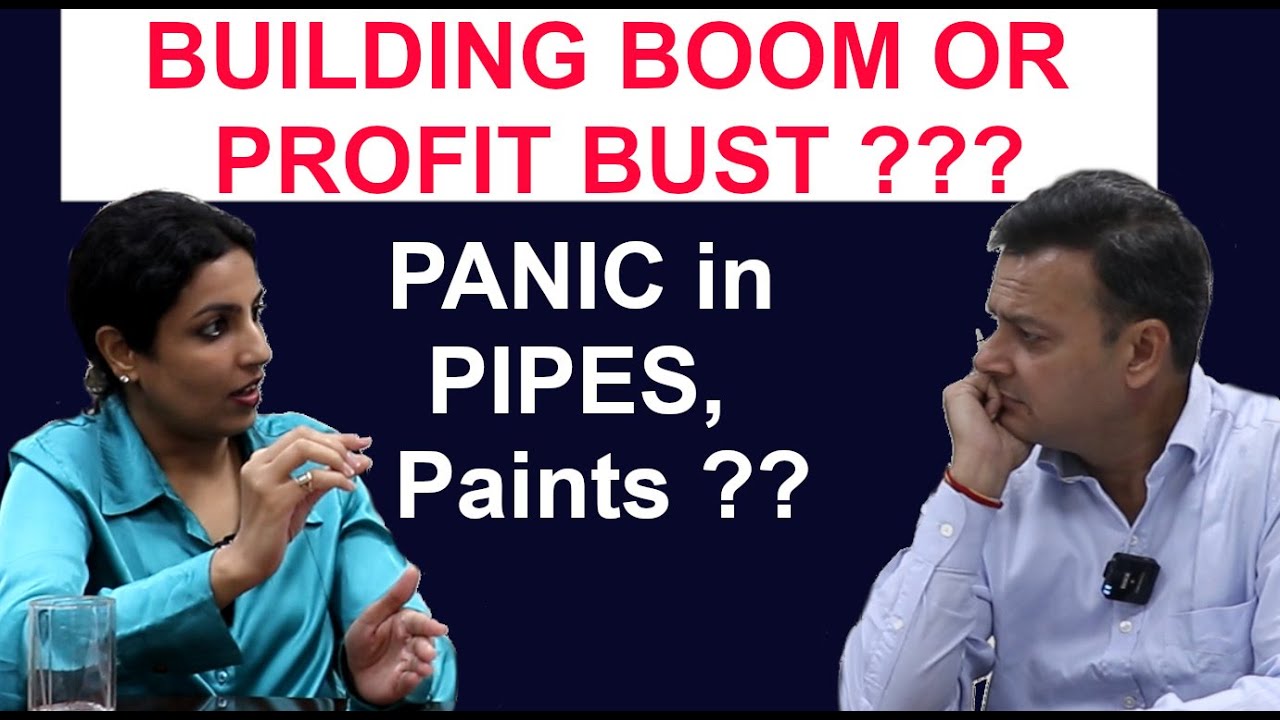
Hikal Limited Q1 FY26 Earnings Call Analysis

1. Executive Summary

Overall Performance: Hikal delivered a disappointing Q1 FY26 with consolidated revenue declining 6.5% YoY to Rs. 380 crores and EBITDA collapsing 57.4% to Rs. 25 crores (6.5% margin vs. 14.3% prior year). The company reported a net loss of Rs. 23 crores compared to a Rs. 5 crore profit in Q1 FY25. The poor performance was primarily attributed to the US FDA’s Official Action Indicated (OAI) status issued to the Bangalore facility in May 2025, leading to customer deferrals worth Rs. 50 crores.

Key Topics Discussed: The earnings call was dominated by discussions around the US FDA OAI status, its impact on pharmaceutical business operations, remediation efforts, customer audits, revenue deferrals, and recovery timelines. Other significant topics included crop protection business stability, CDMO pipeline development, regulatory approvals from ANVISA Brazil and PMDA Japan, and the company’s diversification into personal care and specialty chemicals.

Management Tone and Sentiment: Management displayed a defensive yet cautiously optimistic tone. While acknowledging the severity of the FDA situation, they repeatedly emphasized the “procedural nature” of observations, maintained confidence in recovery timelines, and stressed their long-term strategic initiatives. However, there was noticeable frustration when pressed by analysts about the company’s multi-year performance challenges.

2. Detailed Analysis

Business Model Evolution

Revenue Mix Transformation: Hikal is actively transitioning from a 50:50 split between CDMO and own products to a targeted 70:30 ratio favoring CDMO services. This strategic shift reflects the company’s recognition that CDMO business offers better margins, stickier customer relationships, and reduced commodity exposure. The pharmaceutical segment now contributes 53% of total revenue (down from 56% in Q1 FY25), while crop protection has increased to 47%.

Cost Structure Impact: The OAI status has imposed additional costs of Rs. 10-12 crores annually for regulatory consultants and remediation efforts, with approximately Rs. 5 crores hitting Q1 FY26 P&L. Under-absorption of fixed costs due to lower capacity utilization, unfavorable product mix, and scheduled maintenance shutdowns compressed EBITDA margins by 778 basis points YoY.

Working Capital Management: Despite revenue challenges, the company generated positive free cash flow of Rs. 15 crores in Q1 due to improved working capital utilization, demonstrating operational discipline during difficult times.

Industry Operating Environment

Regulatory Landscape Evolution: The pharmaceutical contract manufacturing industry faces increasing regulatory scrutiny, with US FDA inspections becoming more stringent on procedural compliance. Hikal’s experience reflects broader industry challenges where even procedural non-compliance can trigger significant business disruptions. The successful audits by ANVISA Brazil and PMDA Japan during the same period highlight the subjective nature of different regulatory authorities’ assessments.

Supply Chain Disruptions: Global chemical and life sciences sectors continue experiencing uneven recovery with persistent overcapacity, pricing compression from Chinese competition, and demand volatility. Tariff uncertainties and trade realignments are adding volatility to procurement cycles, though pharmaceuticals remain relatively insulated compared to agrochemicals.

Management’s Tone and Sentiment

Defensive Positioning: Management repeatedly emphasized that FDA observations were “procedural in nature” and “did not include data integrity issues,” suggesting they view the OAI status as potentially unfair given their historical compliance record and successful audits by other agencies.

Long-term Confidence vs. Short-term Realism: While maintaining confidence in their strategic direction and Project Pinnacle transformation initiative, management acknowledged the challenging near-term environment. Their guidance maintenance despite Q1 setbacks demonstrates conviction in recovery capabilities.

Frustration with Investor Patience: When confronted by a long-term investor about disappointing returns over multiple years, CEO Sameer Hiremath’s response (“The numbers are there. What do you want me to say?”) revealed underlying frustration with market expectations versus execution challenges.

Key Business Insights

Customer Relationship Resilience: Despite the FDA setback, no customer orders were canceled, and customers conducted their own risk assessments before resuming business. This demonstrates the strength of Hikal’s customer relationships and the critical nature of their manufacturing capabilities to clients’ supply chains.

Regulatory Risk Concentration: The company’s heavy dependence on the Bangalore facility for pharmaceutical operations created single-point-of-failure risk. Management’s accelerated dual-site validation strategy and shift of new products to Panoli reflects learning from this experience.

Market Diversification Strategy: The expansion into personal care and specialty chemicals represents a strategic response to crop protection headwinds and pharmaceutical regulatory risks. The ability to repurpose crop protection assets for personal care production with minimal CAPEX demonstrates operational flexibility.

Capital Allocation Strategy

Risk Mitigation Focus: Current CAPEX of Rs. 200 crores is primarily directed toward regulatory upgrades, debottlenecking, and dual-site validations rather than pure growth investments. This reflects a more defensive capital allocation approach prioritizing risk mitigation over aggressive expansion.

Site Strategy Evolution: The company is intensifying investments in the Panoli facility, which has a clean regulatory record (zero FDA observations in 2023), while reducing dependence on Bangalore for new product launches.

3. Industry- and Company-Specific Details

Industry-Specific Insights

Pharmaceutical Contract Manufacturing Sector Dynamics: The CDMO industry is experiencing structural tailwinds from the China-plus-one strategy, with global innovators and biotech firms seeking supply chain diversification away from single-region dependencies. However, this benefit is being offset by increased regulatory scrutiny and compliance costs.

Regulatory Authority Subjectivity: A particularly interesting insight emerged from management’s discussion of how different regulatory agencies viewed the same facility differently. While the US FDA issued six observations leading to OAI status, ANVISA Brazil and PMDA Japan conducting audits of the same facility in April and May found only minor observations. This highlights the subjective nature of regulatory assessments and the challenge of maintaining compliance across multiple jurisdictions with varying standards and interpretation approaches.

Agrochemicals Industry Restructuring: The crop protection sector is undergoing significant strategic realignment with global innovators restructuring business segments, realigning portfolios, and pivoting toward next-generation innovation platforms. This is creating near-term volatility in procurement patterns and contract timelines but opening longer-term opportunities for co-development programs and supply chain localization.

Pricing Environment Deterioration: Chinese competition continues to create pricing pressure across both pharmaceutical and agrochemical markets, with persistent overcapacity issues. The industry faces a challenging environment where volume recovery is not translating to margin improvement due to competitive pricing dynamics.

Company-Specific Insights

Facility-Specific Risk Profile: Hikal’s Bangalore facility, despite being US FDA approved since establishment, carries higher regulatory risk compared to the Panoli facility. The Bangalore site’s recent issues contrast with Panoli’s clean 2023 FDA audit (zero observations), creating a clear hierarchy in their manufacturing network’s regulatory standing.

Customer Audit Process Efficiency: Following the OAI status, customers completed their own risk assessments within 6-8 weeks, with many conducting virtual audits and some visiting physically. The quick completion of these assessments and customer comfort with continuing business demonstrates the thoroughness of Hikal’s transparency and remediation efforts.

Product Portfolio Evolution: The company is shifting from commodity-oriented products to niche chemistry and complex molecules. All new pharmaceutical launches focus on complex generics and innovative chemistry, representing a significant upgrade from their historical commodity portfolio. This strategic evolution should provide better margin protection and reduced competition from low-cost producers.

Animal Health Business Development: Under a long-term supply agreement with a global animal health innovator, approximately 80-90% of new animal health products are being filed from the Panoli facility, demonstrating proactive risk mitigation that preceded the FDA issues. Commercial launches are expected in FY26 and beyond, providing a new growth vector less susceptible to generic competition.

Management’s Thought Process

Regulatory Risk Management Philosophy: Management’s approach to the FDA situation reveals a systematic risk management philosophy. Rather than purely reactive measures, they’re implementing comprehensive dual-site strategies and accelerating product transfers that were already planned under Project Pinnacle. This suggests learning organization capabilities and proactive risk mitigation.

Strategic Patience vs. Market Pressures: Management’s willingness to maintain long-term strategic initiatives despite short-term performance pressures demonstrates commitment to value creation over earnings management. However, investor frustration suggests market patience is wearing thin after years of execution challenges.

Operational Flexibility Demonstration: The conversion of crop protection capacity to pharmaceutical and personal care applications with minimal incremental CAPEX demonstrates sophisticated operational flexibility. This asset fungibility provides strategic optionality during market downturns.

4. Forward-Looking Statements and Guidance

Revenue Expectations

Pharmaceutical Division: Management maintained their guidance of 12-14% revenue growth for FY26 despite Q1 setbacks. The Rs. 50 crore revenue deferral from Q1 is expected to be recovered in Q2 and Q3, with shipments having resumed by end of July 2025. No orders were canceled, providing confidence in recovery timing.

Crop Protection Division: Management expects flattish revenue growth for FY26, reflecting persistent industry headwinds including Chinese competition, overcapacity, and pricing pressures. Volume recovery is anticipated in the second half as seasonal demand picks up across global agrochemical markets.

Overall Guidance: The company expects Q4 FY26 to be the strongest quarter, supported by enhanced plant utilization, increased offtakes, and new product commercialization. This guidance suggests meaningful H2 recovery with Q4 being exceptional due to catch-up effects.

Margin Expectations

Pharmaceutical Margins: EBITDA margins in pharmaceuticals are expected to improve “slightly” from current levels as volumes recover and product mix improves. The negative EBIT margins in Q1 (-12.9%) should normalize as deferred revenue is recognized and fixed cost absorption improves.

Crop Protection Margins: Management expects crop protection margins to remain “flattish,” reflecting ongoing pricing pressures and competitive dynamics. Focus remains on cost optimization and operational efficiency rather than margin expansion.

Growth Drivers

CDMO Pipeline Expansion: The CDMO segment maintains a healthy pipeline across pharmaceutical (8-9 molecules under development), crop protection (8 projects), and animal health (multiple products in validation). Commercial scale-up timelines remain staggered, but engagement volume and quality have significantly improved.

New Market Penetration: Successful ANVISA Brazil and PMDA Japan audits open access to Latin American and Japanese markets, supporting geographic diversification strategy. This timing is particularly beneficial given tariff uncertainties affecting traditional markets.

Product Diversification: The company expects to launch 2-3 new pharmaceutical products annually and is expanding into personal care/specialty chemicals with commercial launches starting Q3 FY26.

Recovery and Growth Expectations

Recovery Timeline Confidence: Management expresses high confidence in Q2/Q3 recovery for deferred pharmaceutical revenue, supported by completed customer audits and resumed shipments. The 6-8 week customer assessment period has concluded, providing visibility into recovery timing.

Regulatory Resolution Timeline: 75-80% of Corrective and Preventive Actions (CAPA) have been completed, with remaining actions due by end of September 2025. Management expects to hear from FDA by end of August on their responses, suggesting potential resolution within 3-6 months.

Long-term Growth Trajectory: Management maintains that FY28-29 will deliver expected returns on the Rs. 900 crores invested over the past four years, with most CAPEX benefits materializing in this timeframe.

5. Risk Assessment

Competitive Threats

High Risk - Chinese Competition: Persistent pricing pressure from Chinese manufacturers across both pharmaceutical and agrochemical segments poses ongoing margin compression risks. The company’s strategy of moving to complex chemistry provides some protection but doesn’t eliminate competitive threats.

Medium Risk - CDMO Market Competition: While the China-plus-one trend creates opportunities, increased competition among Indian CDMOs for the same business could pressure margins and win rates for new projects.

Regulatory Challenges

High Risk - FDA Resolution Uncertainty: The OAI status resolution timeline remains uncertain despite management confidence. Any delay beyond expected timelines could extend revenue deferrals and impact customer confidence. The subjective nature of regulatory assessments creates unpredictability.

Medium Risk - Multi-Jurisdictional Compliance: Operating across multiple regulatory jurisdictions (US FDA, ANVISA, PMDA, EU) with varying standards creates ongoing compliance complexity and cost increases.

Execution Risks

High Risk - Recovery Timeline Execution: The ambitious guidance maintenance despite Q1 setbacks creates execution risk. Any delays in customer ramp-up or additional regulatory complications could jeopardize FY26 targets.

Medium Risk - Dual-Site Validation Strategy: The accelerated shift of products to Panoli and dual-site validation program requires significant coordination and could face delays or technical challenges.

Market-Specific Risks

High Risk - Tariff Policy Changes: While pharmaceutical products are currently exempt from tariff discussions, policy volatility creates uncertainty. Any expansion of tariffs to pharmaceutical products would significantly impact the business.

Medium Risk - Crop Protection Industry Structure: The ongoing industry restructuring by global innovators creates uncertainty in procurement patterns and could affect long-term contract visibility.

Financial and Operational Risks

Medium Risk - Working Capital Management: While Q1 showed positive free cash flow, revenue deferrals and inventory management during recovery periods could strain working capital.

Medium Risk - Cost Structure Flexibility: High fixed cost base creates operating leverage risk during volume downturns, as evidenced by Q1 margin compression.

6. Comparison to Peers

Management referenced that customers had “several examples in the country” of companies recovering from similar FDA situations, noting that “things do go wrong and you have to take it in your stride and correct it.” This suggests FDA compliance issues are not uncommon among Indian pharmaceutical manufacturers.

The company specifically mentioned Divi’s Laboratories’ experience with FDA issues and import alerts in 2023, where customers “flew all the way from US” to work with the company to resolve issues within “six to eight months.” This benchmark suggests Hikal’s 3-6 month expected timeline for resolution is reasonable.

In terms of performance, management acknowledged operating at “industry bottom margins” in pharmaceuticals compared to peer companies that have improved their margins. This indicates Hikal is underperforming relative to sector benchmarks.

7. Long-Term Strategy

Project Pinnacle Transformation: The company’s enterprise-wide transformation initiative focuses on supply chain resilience, digital modernization, operational excellence, and ESG integration. This program is designed to structurally derisk the business through diversification across end markets, customer segments, geographies, and product portfolios.

Portfolio Evolution: The strategic shift from commodity chemicals to complex chemistry, increased CDMO focus (targeting 70:30 split), and expansion into adjacent verticals (animal health, personal care) aligns with building a more resilient, higher-margin business model.

Geographic Diversification: Expansion into Latin America, Japan, and other regulated markets reduces dependence on traditional markets and provides insulation against geopolitical risks like tariff uncertainties.

Innovation-Led Growth: The state-of-the-art R&D center in Pune is being positioned as both a profit center and business generator, supporting the transition to a Contract Research, Development, and Manufacturing Organization (CRDMO) model.

8. Analyst Q&A

Key Questions and Responses

Dhrumil Wani (Girik Capital) - Agrochemical Pricing and FDA Timeline:

  • Question: Recent reports suggest Chinese agrochemical price increases and policy changes away from low margins. Any change to flattish growth outlook? Also, what’s the FDA response deadline?
  • Response: Vimal confirmed prices remain largely flat despite some reports of increases. Inventory situations vary by pocket with rationalization expected in H2. Manoj confirmed 75-80% of CAPA completed with remaining by end September, expecting FDA response by end of August.

Henil Bagadia (Equicorp) - Revenue Deferral and Plant Commercialization:

  • Question: What’s the revenue loss amount? When will Animal Health and specialty chemical plants be fully commercialized?
  • Response: Sameer clarified it’s Rs. 50 crores deferral (not loss) moving to Q2/Q3. Anish explained Animal Health plant is already supplying commercial quantities for validated products, with remaining products completing validation next quarter. Specialty chemical plant is being partially converted to pharma/animal health use.

Ankit Gupta (Bamboo Capital) - OAI Impact on CDMO Pipeline:

  • Question: How does OAI status affect existing CDMO pipeline? Are customers shifting to other suppliers?
  • Response: Sameer explained most new filings already planned for Panoli as risk mitigation. Existing Bangalore products offered option to move to Panoli, but customers comfortable staying based on their audits. 80-90% of Animal Health portfolio already filed from Panoli.

Rohit Sinha (Sunidhi Securities) - Tariff Impact Clarification:

  • Question: Any impact from US tariff rate hikes on pharma business?
  • Response: Manoj confirmed tariffs not currently impacting pharma business, with deferred sales expected to recover in Q2/Q3.

Recurring Themes

FDA Resolution Timeline: Multiple analysts probed the CAPA completion timeline and FDA response expectations, reflecting investor anxiety about regulatory uncertainty duration.

Revenue Recovery Confidence: Several questions focused on validating management’s confidence in Q2/Q3 recovery, with analysts seeking reassurance about customer commitment and order sustainability.

Long-term Performance Concerns: Multiple investors expressed frustration with multi-year underperformance, reflecting market patience wearing thin despite management’s strategic initiatives.

Dodged/Partial Answers

Specific FDA Observation Details: Management avoided providing detailed specifics about the nature of FDA observations beyond stating they were “procedural” and not related to “data integrity.”

Competitive Positioning Metrics: When pressed about industry-bottom margins, management didn’t provide specific benchmarking data or detailed plans for margin improvement relative to peers.

Customer-Specific Impact Assessment: Management didn’t provide detailed customer-by-customer impact analysis or specify which customers required physical audits versus virtual assessments.

Follow-up Questions Needed

  1. Detailed FDA Observation Analysis: What specific procedural gaps led to OAI status, and how do these compare to observations received by other Indian manufacturers?
  2. Customer Concentration Risk: What percentage of pharmaceutical revenue comes from customers who required physical audits post-OAI?
  3. Margin Improvement Roadmap: What specific initiatives will drive pharmaceutical margins from current industry-bottom levels to peer benchmarks?
  4. CAPEX ROI Timeline: Which specific projects from the Rs. 900 crores invested will drive returns in FY28-29?

9. Quantitative Data

Metric Q1 FY26 Q1 FY25 Q4 FY25 Significance
Revenue (Rs. Cr) 380 407 552 6.5% YoY decline, 31% QoQ decline
EBITDA Margin (%) 6.5 14.3 22.4 778 bps YoY compression
Pharma Revenue (Rs. Cr) 203 229 351 11.7% YoY decline due to deferrals
Crop Protection EBIT (Rs. Cr) 17 21 36 Stable performance despite headwinds
Deferred Revenue (Rs. Cr) 50 - - To be recovered in Q2/Q3
CAPA Completion (%) 75-80 - - Remaining by September 2025
Annual CAPEX Guidance (Rs. Cr) 200 - - Focused on regulatory/risk mitigation
CDMO vs Own Products Split 60:40 - - Targeting 70:30 in 2-3 years
Regulatory Consultant Cost (Rs. Cr) 10-12 - - Annual impact from FDA remediation

10. Key Insights Table

Key Insight Impact Evidence from Call
FDA OAI Status Creates Customer Deferrals Negative “Rs. 50-odd crores deferment in Q1 moving to Q2/Q3”
No Order Cancellations Despite FDA Issues Positive “No orders have been canceled due to OAI status”
Successful Non-US Regulatory Audits Positive “ANVISA Brazil and PMDA Japan audits successfully concluded”
Accelerated Dual-Site Strategy Positive “80-90% of Animal Health portfolio already filed from Panoli”
Regulatory Subjectivity Risk Negative “Different agencies view same facility differently”
Customer Relationship Resilience Positive “Customers conducted audits and comfortable continuing business”
Crop Protection Margin Pressure Persists Negative “Margins under pressure due to oversupply in global system”
Personal Care Diversification Progress Positive “Multiple RFPs received; commercial launches from Q3”
Working Capital Management Strength Positive “Positive free cash flow of Rs. 15 crores despite challenges”
Long-term Investor Patience Strained Negative “Last five years we have had flat sales and no profit growth”

11. Connecting the Dots

Hikal’s Q1 FY26 results represent a confluence of regulatory setbacks and industry headwinds that have temporarily disrupted an otherwise sound long-term transformation strategy. The FDA OAI status, while significant in its immediate impact, reveals both vulnerabilities and strengths in the company’s operations.

Regulatory Risk as Strategic Catalyst: The FDA situation, rather than being purely negative, has accelerated strategic initiatives that were already underway through Project Pinnacle. The dual-site validation strategy, shift to Panoli for new products, and enhanced compliance systems represent evolutionary rather than reactive changes. This suggests management’s crisis response capabilities and strategic foresight.

Customer Relationship Quality Indicator: The fact that no orders were canceled and customers completed risk assessments within 6-8 weeks demonstrates the mission-critical nature of Hikal’s services to client operations. This customer loyalty provides a defensive moat during regulatory challenges and suggests pricing power potential once operations normalize.

Industry Positioning During Transition: While Hikal faces near-term headwinds, the broader industry trends (China-plus-one, CDMO growth, complex chemistry demand) remain favorable. The company’s strategic positioning in complex molecules, animal health, and personal care represents intelligent portfolio diversification away from commoditized segments.

Financial Resilience Indicators: Despite significant EBITDA margin compression, the company generated positive free cash flow through working capital management, maintained its dividend policy (implied from lack of discussion about suspension), and continues investing in growth CAPEX. This suggests underlying financial resilience and management confidence in recovery.

Management Credibility Test: The maintenance of full-year guidance despite a poor Q1 represents either confidence or hubris. The recovery timeline’s dependence on regulatory resolution creates binary risk, but management’s track record of regulatory compliance (25-year history) and successful resolution of similar issues by peers provides historical context for optimism.

12. Analysts on Call

Professional Analysts:

  1. Dhrumil Wani - Girik Capital
  2. Henil Bagadia - Equicorp
  3. Ankit Gupta - Bamboo Capital
  4. Rohit Sinha - Sunidhi Securities
  5. Rohit Mehta - Nexus Capital
  6. Parth Vasani - KK Advisors
  7. Manoj Bagadia - Equicorp
  8. Pranay Dhelia - Panchatantra Advisors LLP
  9. Sajal Kapoor - Antifragile Thinking

The analyst participation was comprehensive, covering regulatory concerns, financial impact assessment, strategic initiatives, and long-term performance expectations. The quality of questions was generally high, with analysts demonstrating good understanding of pharmaceutical manufacturing regulatory dynamics and industry-specific challenges. The tone of questioning became increasingly challenging as the call progressed, with later participants expressing frustration about multi-year performance issues and seeking accountability for execution challenges.

2 Likes

These summaries look overloaded and long. My impression says these are AI generated.

And my honest feedback : they seem to help less, better to go through transcript then to read these long summaries

9 Likes

Yes these are AI generated, I am putting it for my understanding,I like to read there updates before listening next quarter concall it save time but kept it’s Depth. I made this page just for understanding my buying and selling thoughts.I want to see how my decisions look after 5 years.

RateGain Q1 FY26 Earnings Call – Deep Dive Analysis


1. Executive Summary

Overall Performance:
RateGain started FY26 with strong operational momentum, registering INR2,729mn in revenue (+5% YoY), robust new contract wins (INR817mn, +37.7% YoY; a post-Adara, all-time high), a steady EBITDA margin of 18.2%, and PAT of INR469mn (+3% YoY). Revenue growth was broad-based, notably in APAC and the Middle East, supported by scaled investments in GTM headcount and ongoing AI-driven product innovation.

Key Topics Discussed:

  • Scale-up of GTM and product teams, especially in APAC/MENA.
  • AI platform investments and new product traction.
  • Business segment performance—DaaS/Distribution/MarTech.
  • Margin stability amid wage hikes.
  • Revenue mix evolution (transaction revenue >50% for the first time).
  • M&A strategy, pipeline health, and capital allocation.
  • Demand trends, client churn and retention, and business model evolution.

Management’s Tone and Sentiment:
Management maintained a confident and constructive tone. They emphasized disciplined capital allocation, proactive investment in large and growing markets, and a focus on sustainable, AI-powered growth. Guidance was reaffirmed despite strong performance, with a conservative approach to quarterly upgrades. Management was transparent on operational specifics, the shift in business mix, and nuances in client churn, displaying a “confidence with caution” posture.


2. Detailed Analysis

Business Model Evolution

  • Revenue Impact:
    Transaction revenue now exceeds 50%, a structural shift from prior quarters. The transaction business saw strong renewal trends (>35% renewal rate in Adara), and the company’s overall gross revenue retention (GRR) stands at approximately 90%. While this increases immediate revenue opportunity, management notes a small impact on gross margins (down ~200bps YoY) as transaction business generally has slightly lower gross margins than SaaS/subscription, yet EBITDA margins have remained robust (18%+).
  • Cost Structure:
    Q1 reflected annual wage hikes and onboarding for GTM and product growth, raising employee expenses by 6% YoY and 24% QoQ. However, cost discipline ensured margins remained above guidance, reflecting robust scaling capability.
  • Working Capital:
    Cash and equivalents rose to INR1,281cr, supporting the company’s net-debt free status and strong “dry powder” for future M&A or organic growth. Receivables and payables remain in line with revenue growth.
  • Competitive Positioning:
    RateGain’s focus on AI-powered, integrated travel/hospitality platforms (UNO, VIVA Voice Agent, Connectivity Insights suite) provides a technological and operational edge. Expanded GTM and APAC focus aims to counteract Western-centric competition.

Industry Operating Environment

  • Travel Industry Recovery:
    Global travel demand is rebounding, with positive commentary from industry majors, and APAC leading growth (Skift Health Index = 108). Major verticals (hotels, airlines, OTAs) expect healthy capacity and traffic growth in 2025.
  • Technological Shifts:
    AI is becoming core to competitive differentiation. RateGain’s product launches harness this trend, with offerings in AI-powered pricing, bidding, voice agents, and connectivity analytics, reflecting a proactive stance.
  • Regulatory/Geopolitical Factors:
    The company faces no material risk from US tariffs, as its revenues are derived from software services.

Management’s Tone and Sentiment

  • Management appears confident but measured—calling out operational excellence and conviction in AI investments, but electing not to raise full-year guidance despite outperformance, to avoid “unnecessary pressure.”
  • The team acknowledged execution risks around monetizing the order book but strongly believes the “pain” in distribution/DaaS is behind them, and the business is positioned for sequential improvement.

Key Business Insights

  • AI Productification is Core:
    AI-infused new products (UNO, VIVA, Smart ARI, RG Insights) are seeing initial strong traction. Early customer testimonials and adoption metrics were cited as positive markers. The proactive training of staff (~300+) on AI suggests a scaling culture.
  • Demand and Pipeline:
    The pipeline stands at INR5.1bn, with INR411mn fresh addition in Q1 and historic highs in deal wins outside Adara. APAC/MENA markets are major drivers, and long-tail churn is offset by new logos and expansion in strategic accounts.
  • Recurring and Hybrid Revenue Share:
    While ARR is no longer disclosed (as hybrid/transaction revenue crossed 50%), ~49% revenue is still hybrid/subscription, indicating a balanced engagement mix, revenue resiliency, and up-sell/cross-sell potential.
  • Client Depth vs. Breadth:
    Client count is stable despite long-tail churn, as focus shifts to larger, strategic accounts with greater scaling potential.

Qualitative & Quantitative Guidance

  • Revenue:
    Guidance of 6-8% YoY growth reaffirmed; management was clear to not raise targets quarterly. Despite H1 being typically “investment heavy”, confidence remains on reaching and possibly exceeding guidance.
  • Margins:
    Guided for 15-17% EBITDA margins, delivered 18.2% in Q1 even with wage hikes and GTM/product spends. Margins expected to mildly fluctuate by revenue mix and investment cycles.
  • Key KPIs:
    • Gross Margins: 72.5% (vs. 75%+ historically, due to transaction mix).
    • EBITDA Margin: 18.2% (Q1FY26).
    • GRR: ~90%; NRR: 100.5% (down modestly, seen as temporary due to GTM/new logo focus).
    • LTV/CAC: 14.5x (slightly lower due to increased CAC).
    • Revenue per Employee: INR12.8mn (down 1.7% YoY).
    • Client Count: 3,201 (down from 3,224 due to long-tail pruning, not strategic churn).

Capital Allocation Strategy

  • No leverage, and a net cash position provide significant flexibility.
  • Active M&A strategy: Promising pipeline but highly disciplined IRR and payback hurdles—management expects patient, value-accretive deals, similar to prior Adara acquisition.
  • Capital is being deployed in talent, go-to-market, and AI technology builds to drive “next leg” of growth, particularly in APAC/MENA and SMB.

3. Industry- and Company-Specific Details

Industry-Specific Insights

  • Market Trends:
    The travel and hospitality tech industry is experiencing a robust post-pandemic recovery, especially in the APAC region. Increasing traveler volumes and capacity expansions in hotels and airlines are supportive thematics. The critical trend is customers seeking integrated AI-powered platforms to enhance guest acquisition, retention, and lifetime value.
  • Competitive Landscape:
    Western competitors remain strong in their home markets, but APAC is underpenetrated and seeing higher travel sector investment. RateGain aims to leverage local scale and deep domain products for leadership in the region.
  • Regulatory/Policy Factors:
    No direct impacts from tariffs, as the business is IT/software-driven.
  • Supply Chain:
    Not applicable, but client stickiness and multiyear contracts create demand “visibility.”

Company-Specific Insights

  • Operational Priorities:
    • Scale GTM and product innovation, especially in APAC/MENA and SMB segments.
    • Rollout AI-powered SaaS and platform tools (VIVA, UNO, Smart ARI).
    • Nurture strategic enterprise clients in hotels, OTAs, airlines, car rentals, and cruise lines.
  • Strategic Initiatives:
    • Pruning of long-tail clients to focus on scalable, high-value relationships (“master accounts”).
    • Recurring revenue balance as a foundation for future cross-sell/up-sell.
    • AI upskilling—300+ employees trained; REMO (AI HR agent) deployed for engagement and HR efficiency.
  • Customer Demand/Order Flows:
    • Q1 saw all-time high contract wins (excluding Adara).
    • Client churn isolated to non-core ops.
    • Vertical-wise: MarTech (esp. Adara) and Distribution were fastest growing segments; DaaS organic business also up (Adara DaaS down due to strategic refocus).
  • Management Thought Process:
    • Prudent, focused, and cognizant of both execution risk and growth optionality.
    • Emphasis on sustainable, AI-powered growth, region/vertical-specific execution, and return discipline.

4. Forward-Looking Statements and Guidance

  • Revenue Guidance:
    6–8% YoY growth—unchanged. Noted tailwind from strong order book but cautious to not “set up pressure” by quarterly upward revisions.
  • Margin Expectations:
    15–17% EBITDA margin guidance maintained for FY26; Q1 was above, but wage cycles and investment may lead to moderate quarterly fluctuations.
  • Growth Drivers:
    • Large contract wins and healthy multi-year pipeline, up-sell/cross-sell focus.
    • AI-powered product launches (UNO, VIVA, RG Insights, Smart ARI, etc.).
    • Expansion in APAC and MENA, with SMB-centric GTM tactics.
  • PAT Guidance:
    Not specifically discussed, but margin targets and growth drivers imply high-teens PAT margin outlook.
  • Quantitative Guidance Highlights:
    • Q1 New contracts: INR817mn (+37.7% YoY)
    • Pipeline: INR5,123mn (Q1 addition: INR411mn)
    • LTV/CAC: 14.5x
    • Gross Margins: 72.5%
    • Distribution: Major sequential and pipeline growth expected.
  • Growth/Recovery Timelines:
    Management expects strong ongoing sequential growth, especially as investments monetize and as new contracts begin to scale; “pain” in distribution/DaaS is now behind, with positive outlook for the remainder of the year.

5. Risk Assessment

Competitive Threats:
Global travel/hospitality tech is highly competitive; Western incumbents (esp. for large enterprise clients) are formidable, but APAC remains more open-ended.

Technology Disruption:
Rapid AI evolution could render existing offerings obsolete; RateGain is proactive but needs to sustain innovation cadence.

Client Concentration / Churn Risks:
Focus on strategic clients mitigates shallow churn risk, but losing a major “master account” could impact revenue.

Market Risks:

  • Macro shocks in global travel could create cyclicality.
  • APAC exposure increases sensitivity to region-specific downturns.

Execution Risks:

  • Scaling GTM in new geographies (especially SMB market) poses onboarding and productivity risks.
  • Monetization of the robust pipeline is essential; any implementation slippages could affect sequential growth.
  • Legacy contracts with OTAs continue to sunset, though impact is “mostly” absorbed.

Margin Risk:
Shift to more transaction-based revenue has reduced gross margins but is offset by cost controls and efficient scaling; further changes in mix may affect profitability.

Regulatory/Policy Risks:
Minimal direct risk, as there is no physical goods exposure to tariffs or supply chain constraints.


6. Comparison to Peers

  • Performance:
    Growth is in line or ahead of global SaaS/travel tech peers, especially after factoring in tough FY25 comp and successful geographic expansion.
  • Margins:
    EBITDA margin (18.2%) is robust versus global SaaS benchmarks, though small dip in gross margin (as expected with transaction revenue).
  • Strategy:
    Unlike most Western peers, RateGain is making a concerted APAC push—which, if successful, could build lasting regional defensibility.
  • Explicit Reference to Competition:
    Guestara (an emerging competitor) was flagged by an analyst, though management was not aware of this firm.
  • Peer Churn Management:
    Industry-standard GRR at 90%, NRR ~100% situates RateGain comfortably relative to SaaS/MarTech peers.
  • Product Innovation:
    AI-driven product rollouts are consistent with or ahead of what is seen at global leaders.

7. Long-Term Strategy

Vision:
“To build an integrated, AI-powered travel and hospitality technology platform focused on guest acquisition, retention, and wallet share expansion—with best-in-class financial discipline and a global reach.”

Strategic Alignment (Call Evidence):

  • M&A optionality, with a stated patience for value-accretive deals only.
  • Ongoing doubling down on AI/tech innovation and talent.
  • Scaling in fast-growing, underpenetrated geographies.
  • Deepening integration of SaaS and transaction-based products to create defensible, recurring revenue streams.
  • Commitment to sustainable margin expansion, even as revenue mix evolves.

8. Analyst Q&A

Key Questions & Responses:

  • Jyoti Singh (Arihant Capital):
    Deal wins geography, revenue model evolution effect on LTV/CAC, margins/guidance.
    Response: Major focus and GTM expansion in APAC/MENA resulted in strong deals; LTV/CAC stays robust due to high renewals; margin guidance held at 15–17%; no “guidance upgrade pressure” policy.
  • Rahul (Dolat Capital):
    Distribution momentum, DaaS challenges, Adara DaaS trends, sequential growth outlook.
    Response: Distribution “pain” is behind; order book strong, successful monetization should drive sequential improvement; Adara DaaS now 7% of revenue, is flat/declining by design.
  • Karan (PhillipCapital):
    Martech breakdown, pricing pressures, US demand trends.
    Response: Adara is 65–70% of Martech; paid media growing after a dip; no new pricing renegotiations, CPI increases obtained on renewals; US/Europe steady, APAC/MENA prioritized for investment.
  • Pratap Maliwal (Mount Infra):
    ARR metric, NRR dip, client churn.
    Response: ARR discontinued as transaction revenue now majority; NRR dip due to GTM focus on new logos, not a trend; GRR of 90% is healthy.
  • Rishika Agarwal (Bastion):
    Industry maturity, greenfield vs. competitive swap wins, platform vs. employee leverage.
    Response: For mature products, 50/50 swap vs. new; newer products are greenfield in large addressable markets; Martech is AI/digitally scaled, not employee-intensive.
  • Shailesh Naik (Scode):
    Decline in client count, segment DaaS split.
    Response: Churn is in long-tail clients, not strategic; breakdown of segment is shown for transparency (Adara DaaS separated from RateGain’s organic DaaS).
  • Mayank Babla (Enam):
    Growth/ margin guidance, sequential effect, philosophy on guidance.
    Response: Guidance is 6–8% growth, 15–17% margin, no revision habit; confidence in beating those numbers, order book supports positive outlook.
  • Miten Shah (Individual):
    M&A pipeline, Guestara as competition, tariff risk.
    Response: Active M&A pipeline, patience for value; not aware of Guestara but open to learn; US tariffs no risk to software biz.
  • Darshil Zaveri (Crown Capital):
    Multi-year outlook, organic vs. inorganic growth, margins in transaction-led models.
    Response: FY26 is investment-heavy, focus on scaling organic growth to 20%+ in coming years; transaction model brings slightly lower gross margin, but EBITDA steady, model is “scalable and robust”.

Recurring Themes:

  • Monetization/execution of large order book.
  • Evolving revenue mix (ARR/Transaction split).
  • Margin sustainability and cost control.
  • M&A as “dart, not a bet”.

Dodged/Partial Answers:

  • Management will no longer publish ARR, citing business model shift, and deflected on providing an exact recurring revenue estimate.
  • Did not provide specifics on Guestara but acknowledged willingness to study competition.
  • Some breakdown on client count calculation was qualitative, as metrics vary product to product.

Follow-Up Questions:

  • Detail cash deployment plans if M&A remains on hold.
  • More granular segment revenue/profit split.
  • KPIs for new AI product adoption.
  • Update on timing for strategic “monster” client wins conversion to scale.

Margin Analysis:

  • Gross margins dip slightly (~200bps) due to transaction revenue, but disciplined cost controls and product efficiencies stabilizing EBITDA.

9. Quantitative Data Table

Metric Q1 FY26 Q1 FY25 Q4 FY25 Context/Source
Revenue (INR Mn) 2,729 2,600 2,607 P&L
Operating EBITDA Margin (%) 18.2 19.1 23.2 P&L
PAT (INR Mn) 469.3 453.8 548.1 P&L
Gross Margin (%) 72.5 75.0 75.1 Margins, mix shift explained
Gross Revenue Retention (%) 90.1 90.0 89.1 KPI/Presentation
Net Revenue Retention (%) 100.5 105.0 113.2 KPI
LTV/CAC 14.5x 15.7x 12.9x Lower as CAC rises (GTM investments)
Revenue per Employee (INR Mn) 12.8 13.0 NA Hiring investment impact
Client Count 3,201 3,279 3,224 Prudent churn, focus on scale
Cash & Equivalents (INR Mn) 12,813 NA NA Balance sheet; strong positioning
New Contract Wins (INR Mn) 817 593 461 All-time high ex-Adara
EBITDA (INR Mn) 496.7 497.8 605.9 Operating performance
Pipeline (INR Mn) 5,123 NA NA New contracts in funnel

10. Key Insights Table

Key Insight Impact Evidence from the Call
New contract wins at record high Positive INR817mn, +38% YoY; highest ever excluding Adara
APAC/MENA GTM driving growth Positive APAC revenue growth +23%, GTM headcount rose 3.5x
Shift to transaction-based revenue Mixed >50% revenue now transaction; slight gross margin impact
AI products gaining traction Positive Customer adoption/testimonials & GTM focus in call
Churn isolated to long-tail/non-core clients Neutral 23/3,224 clients lost, focus on scalable master accounts
Margin resilience despite investments Positive 18.2% EBITDA margin maintained, even with wage hikes
ARR disclosure discontinued Mixed Model shift, transparency adjusted to new mix
M&A window open, but discipline trumps speed Neutral “Patient creation of value” emphasized
US tariffs irrelevant to SaaS model Positive “No impact, as we are a technology company”
Product/region revenue diversification accelerating Positive Robust pipeline, diversified geographies & segments

11. Connecting the Dots

RateGain’s Q1 FY26 call demonstrates a classic “flywheel” in motion: GTM investments and AI-augmented product launches are converting to record client/order wins in high-growth regions and strategic segments. While transaction revenues rising over SaaS shift the margin structure slightly, discipline on costs and product efficiency preserve overall profitability. Management is seeing and capitalizing on APAC/MENA’s underpenetrated opportunity, while maintaining global competitive posture.

The analytical tone is clear: the company is not sacrificing long-term discipline (especially in M&A) for short-term top-line flashes. The move to stop ARR disclosure and focus on deeper client relationships shows a thoughtful business evolution. Execution risks remain around scaling, market dynamics, and technology shifts, but leadership’s methodical approach—backed by a strong balance sheet—positions RateGain as a potential consolidator and sub-sector leader as travel/hospitality tech pivots to AI.


12. Who were the Analysts on the Call

  • Jyoti Singh (Arihant Capital Markets)
  • Rahul (Dolat Capital)
  • Karan (PhillipCapital)
  • Pratap Maliwal (Mount Infra)
  • Rishika Agarwal (Bastion Research)
  • Shailesh Naik (Scode)
  • Mayank Babla (Enam Asset Management)
  • Miten Shah (Individual Investor)
  • Darshil Zaveri (Crown Capital)

This analysis should provide you, as the fund manager, with a granular and strategic understanding of RateGain’s current environment, operational performance, and management’s positioning for future value creation.

1 Like


These is my current holding,
I recently added Ather energy,Vip industries,Ajax industries.
Ather energy is EV 2 wheeler company I bought it around 16000 market cap,I am expecting 5-6x price to sale after 4-5 year their current sale is 2200 cr , I am expecting 30-35% cagr about 10000 cr sale till fy30 key trigger are
1.increasing in number of dealership
2.increase focus for going pan India
3.improvement in gross margins
*Through new platform
*Cheaper batterys
*Operating leverage
4.They have 45% of their employees in R&D
Which remain constant going forward
5.New unit going live next year.

Second VIP industries
My main bet is on promotor change I took small allocation because they didn’t give their future plan till now, they have good brand but the execution is missing let’s see what the new PE frim can change.

Third Ajax
They are in a construction equipment sector
They have 75% market share in SLCMs, they are doing great work but company is recently listed and I want to see the execution from management so my stack is going to remain small .

I sold Praj industries cut some allocation from Hikal and shivalik rasyan.
Praj performance is going to remain neutral for some more Quater I am going to track it but entry need some number or valuation become dirty cheap.

On Hikel their recent USFDA issue is a problem.it is cheap so didn’t want to sell completely but want to see some numbers before adding and same case is with shivalik rasyan it is cheap but need to see some numbers.

Dis.invest and biased

3 Likes

Are you also tracking CAGR of your PF?

I am add random amount so it is not possible to track CAGR. My XiRR is quite good but in recent consolidation I change many stock for next cycle. I am trying many new things since I start investing in 2019 but since last 2-3 year my process is becoming constant.