
Indian Packaged Foods: Is Convenience Food the Next Big FMCG Opportunity?

I’ve been spending some time looking at the packaged foods space recently, and one thing keeps coming back to me.

It feels like “convenience food” in India isn’t what it used to be. Earlier, it was mostly instant noodles or frozen food. Today, convenience means ready-to-cook breakfast mixes, spice blends, instant gravies, cooking aids, millet mixes, ready-to-eat meals… products that save time but still fit Indian eating habits.

What really got me thinking was seeing Kellogg’s launch an Instant Upma range. A global breakfast brand introducing an Indian breakfast product instead of another cereal variant suggests that companies see real long-term potential in this category.

That made me wonder whether we’re still underestimating the opportunity in Indian convenience foods.

I started looking at a few listed players like Nestlé India, Tata Consumer, Bikaji, Mrs. Bectors and, more recently, Orkla India.
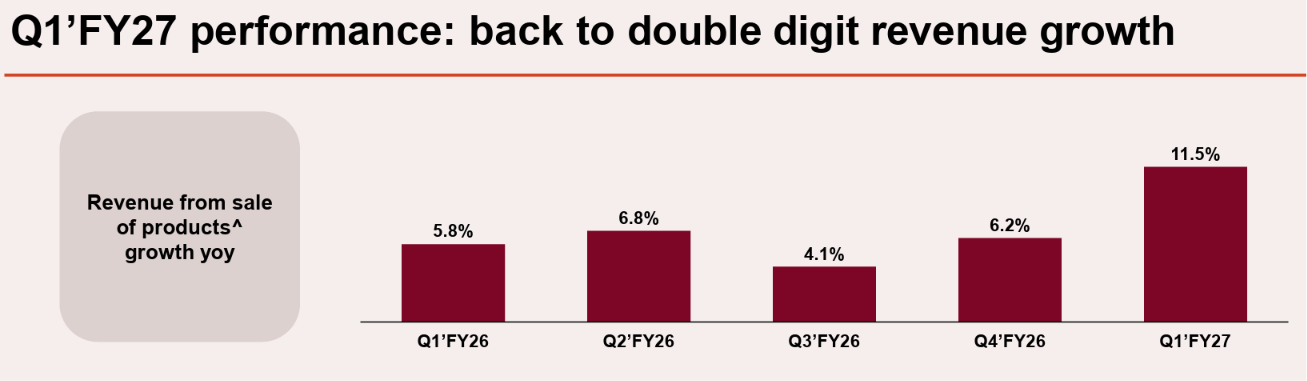
Orkla announced its Q1 FY27 results earlier this week, and while the ~10% YoY growth was encouraging, what caught my attention was something else. Management also spoke about Project Bolt, an initiative focused on accelerating digital commerce. It got me thinking that the next phase of growth in packaged foods may not just come from launching new products or expanding distribution, but also from how effectively companies reach consumers through digital and quick commerce channels.

Taken together, it feels like a few trends are converging:

  • Consumers are increasingly looking for convenience without compromising on familiar Indian flavours.

  • Even multinational FMCG companies are adapting products to local preferences.

  • Companies are investing in digital commerce and omnichannel capabilities alongside expanding their product portfolios.

I’m still trying to understand whether this is the beginning of a long-term structural shift or simply a strong phase for the category.

A few questions for those who track the sector:

  • Is convenience food in India still underpenetrated, or has most of the opportunity already been priced in?

  • Do regional brands like MTR and Eastern have stronger moats than we give them credit for?

  • Over the next 5-10 years, what do you think will matter more: product innovation, distribution, digital commerce or premiumisation?

  • Which listed companies are best positioned to benefit if this category continues to grow?

Would love to hear different perspectives or learn if there are other companies in this space worth tracking.
4 Likes

Excellent piece, and I too think with an increase in urbanization people will focus a lot more on ready-to-eat and ready-to-cook foods.

We have significant growth opportunity in transitioning from unorganized, loose commodities to branded, packaged food products, and currently only about 32% of food consumption in India is branded.

Only Orkla India has been on my radar since the IPO

Mainly (buy what you see philosophy) We heavily use only Eastern Condiments products for making anything South Indian because of their rich understanding of South Indian condiments. Once you start using it, you can’t replace it.

Another product we use heavily of theirs is Rasoi Magic Ready to Cook, which is very popular in the Western region due to the diverse options for making different Punjabi cuisine with almost the same requirements of base ingredients, which takes your existing food you made to the next level, almost restaurant style.

MTR Products is also good, but we don’t consume it much barring ready-to-cook upma occasionally.

Plus, recently they clocked double-digit growth again. Although the volume growth is still single digit.

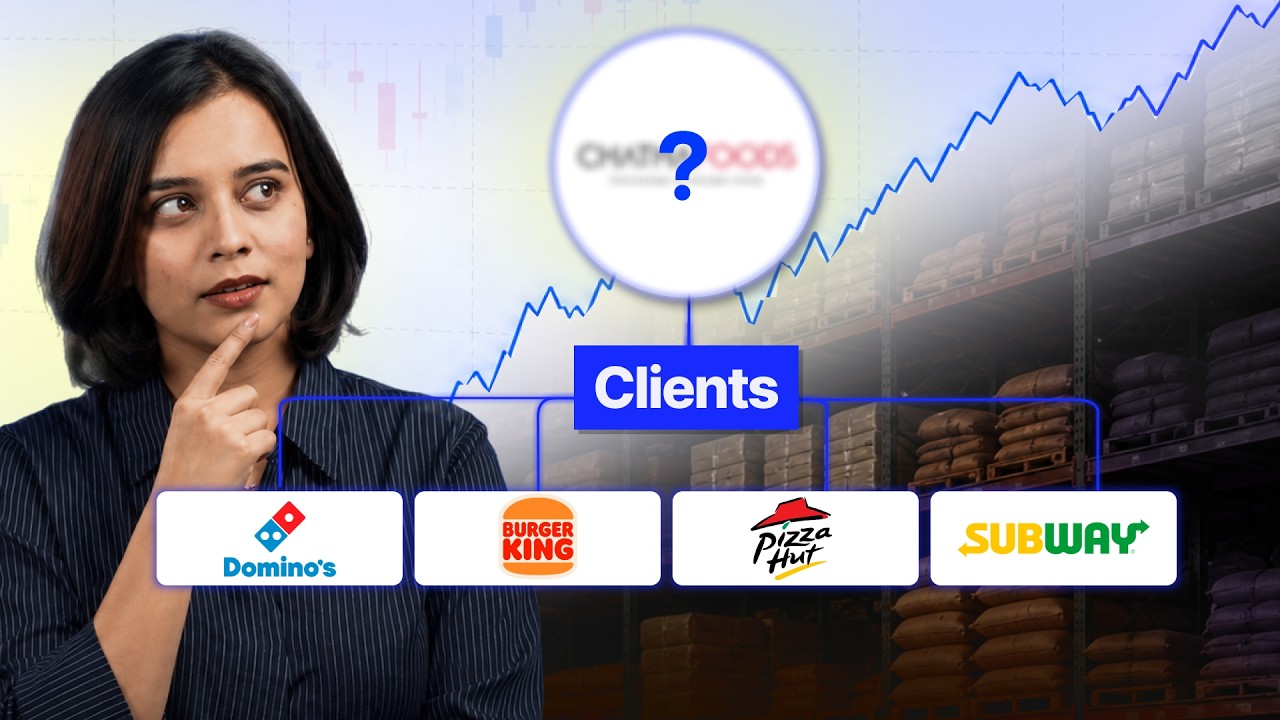
Since QSRs are posting good numbers in Q1FY27. I came across this video recently, which may be helpful for the forum

1 Like

One thing that stood out to me in the concall was the volume growth commentary. Management mentioned around 4.4% volume growth excluding Kerala, which, in my view, is not particularly impressive for a growing FMCG company, especially given the otherwise very upbeat commentary on the business. They seem to be giving a positive spin to everything. That’s exaggeration and I do not like this attitude. What I found more interesting was management’s response when the analyst questioned whether volumes could come under pressure after the planned price hikes. Instead of directly addressing the 4.4% figure, management highlighted 12.8% and 6.3% volume growth and described 5–6% growth as fairly substantial. Where did these numbers come from? They clearly have mentioned 4.4% as volume growth in the beginning of the concall.

I also think we need to be careful about revenue growth driven by pricing. Pricing growth can come down once inflation moderates, whereas volume growth is a better indicator of underlying demand. This will affect growth in the future. So, if the actual underlying volume growth is around 4–5%, I would consider that fairly modest rather than the strong growth that the overall commentary seems to suggest.

Another thing that stood out to me in the concall is that management seems to celebrate early operational wins as though they’ve already translated into business success. Whether it’s the Kerala restructuring, Project Bolt, or the breakfast expansion, the discussion focuses heavily on productivity, coverage, launches, and capabilities, while the actual proof points—market share gains, sustained volume acceleration, or meaningful revenue contribution—are still limited. The initiatives may well succeed, but at this stage it feels like management is declaring victory a little too early rather than letting the results speak first. On Project Bolt, how can they be certain that their initiatives are the ones that caused 38% growth and not the general e-commerce momentum.?