
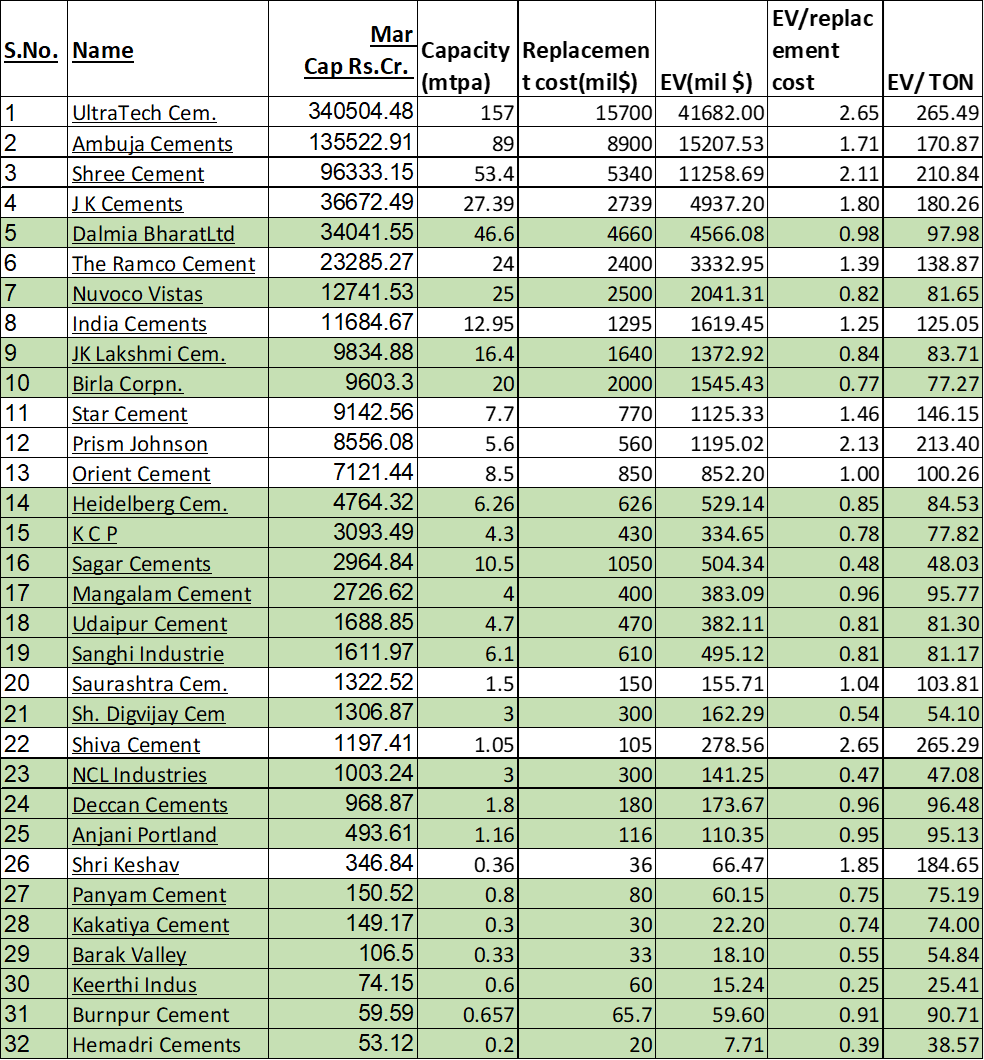

Key takeaways from the webinar:
- The cement sector in India is expected to grow at a healthy rate in the long term, driven by infrastructure development, urbanization, and rising income levels.
- Demand growth has slowed down in the first half of fiscal year 2025 due to a variety of factors including elections, extended monsoons, and sluggish infrastructure activity.278 However, growth is expected to pick up in the second half, with overall growth for the year projected to be in the range of 5-6%
- By mid-fiscal year 2026, approximately 80 metric tons of new capacity are expected to come online
- Further out, the industry plans to add a total of 140 to 150 metric tons of new capacity by the fiscal year 2028 to 2030 period.
- Between fiscal years 2025 and 2027, approximately 160 million tons of capacity should be added, representing a capacity growth of 7-8%
- Despite the substantial capacity increases, demand is expected to keep pace with supply, with utilization rates projected to remain around 68% to 69%
- Limestone availability is becoming a challenge in some regions, which could drive further M&A activity.
- The expiry of mining leases after fiscal year 2030 could lead to increased competition and higher costs.
- Demand Drivers: 55-60% of cement demand comes from the housing sector, highlighting its importance. However, the infrastructure sector’s share has risen from 25% to 30%, and this is projected to reach 33-34% in the coming years due to government initiatives. This shift demonstrates a move towards a more diversified demand base, potentially reducing reliance on any single sector.
- Government Housing Programs: With approximately 8 million houses pending completion under existing programs and a further 20 million planned, the government’s commitment to housing creates a strong pipeline of demand for the foreseeable future. This showcases government support for the sector, providing a degree of stability for investors.
- Regional Dynamics: While the Eastern and Central regions offer significant growth potential due to their lower per capita cement consumption, competitive intensity will be highest in the South and East.
- The top four cement players have seen their combined market share rise from 35% in fiscal year 2012 to 50% in fiscal year 2024 and are projected to reach 60% by fiscal year 2026. This demonstrates the increasing dominance of major players, which could impact the pricing dynamics and profitability of the industry.
- Nearly 60 million tons of cement capacity is estimated to be involved in M&A activity in the medium term, with announcements for close to 45 million tons already public. This indicates significant restructuring within the industry, potentially creating opportunities but also risks for investors depending on the specific companies and deals involved.